Inspections are absolutely vital in operations management if one is to keep compliance with industry standards, efficiency, and quality. Regular inspections support companies in manufacturing, logistics, and service sectors to avoid flaws, streamline procedures, and best use resources. Organisations can maximise customer satisfaction and productivity while lowering operational risk by including methodical inspection procedures.
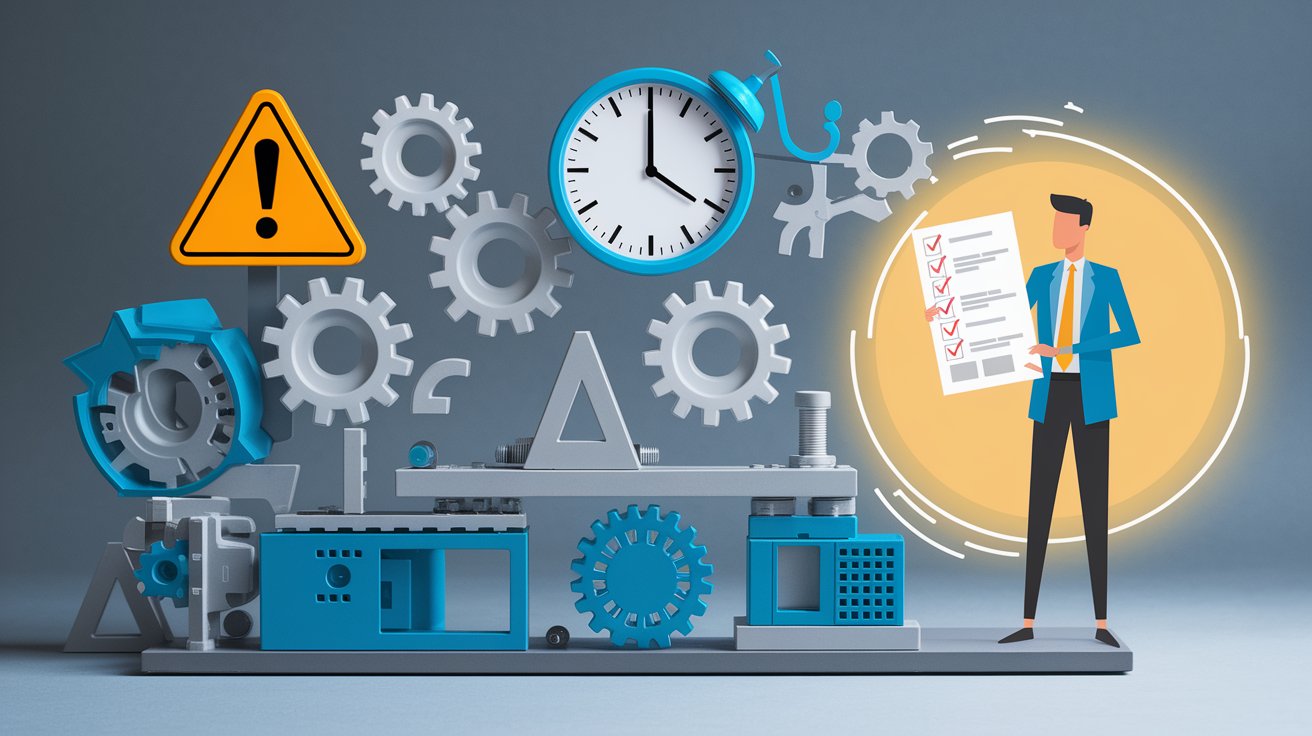
Importance of Inspections in Operations Management
- Quality Assurance
Inspections ensure that products or services meet predefined quality standards. By detecting defects early in the process, companies can reduce waste, avoid costly rework, and maintain high customer satisfaction. - Regulatory Compliance
Many industries, such as healthcare, construction, and manufacturing, must adhere to strict regulations. Regular inspections help businesses comply with safety, environmental, and operational guidelines, preventing legal penalties and reputational damage. - Process Optimization
Inspections provide valuable insights into operational inefficiencies. By identifying bottlenecks and areas for improvement, businesses can streamline workflows, reduce downtime, and enhance overall productivity. - Risk Management
Unplanned disruptions, equipment failures, or safety hazards can severely impact operations. Routine inspections help identify potential risks, allowing organizations to take preventive measures and ensure workplace safety. - Cost Reduction
Detecting defects or inefficiencies early in the process reduces unnecessary costs associated with recalls, repairs, or wasted resources. Inspections contribute to cost-effectiveness by ensuring smooth operational flow.
Achieve compliance effortlessly—integrate smart audit solutions! https://axonator.com/request-for-demo/
Types of Inspections in Operations Management
- Incoming Inspections – Checking raw materials and components before production begins to ensure they meet quality standards.
- In-Process Inspections – Monitoring work-in-progress to detect defects before they escalate.
- Final Inspections – Conducted before delivery to ensure the finished product or service meets customer expectations.
- Safety Inspections – Assessing workplace conditions, machinery, and procedures to maintain a safe working environment.
- Compliance Inspections – Ensuring adherence to industry regulations, environmental standards, and legal requirements.
Technology and Automation in Inspections
Using digital technologies and automation, modern companies improve inspection procedures. Data collecting is streamlined, real-time insights are provided, and decision-making is enhanced using mobile inspection apps, AI-driven analytics, IoT-enabled sensors. These technologies not only improve accuracy but also allow remote monitoring, therefore lowering the necessity for human involvement.
Operations management cannot exist without inspections; they guarantee efficiency, compliance, and quality. Using current technologies and applying methodical inspection processes can help companies to stay competitive, lower risks, and improve performance. Effective inspections support the seamless operation and long-term profitability of a company whether they be conducted manually or automatically.