In today's fast-paced business world, firms must verify that their processes, financial records, and operational practices are in line with regulatory requirements. One of the most efficient methods to accomplish this is by utilizing audit software solutions. These digital solutions help to speed the auditing process, improve accuracy, decrease manual errors, and save critical time.
In this post, we'll look at the essential features, benefits, and importance of audit software solutions for modern firms, as well as how to choose the best tool for your auditing requirements.
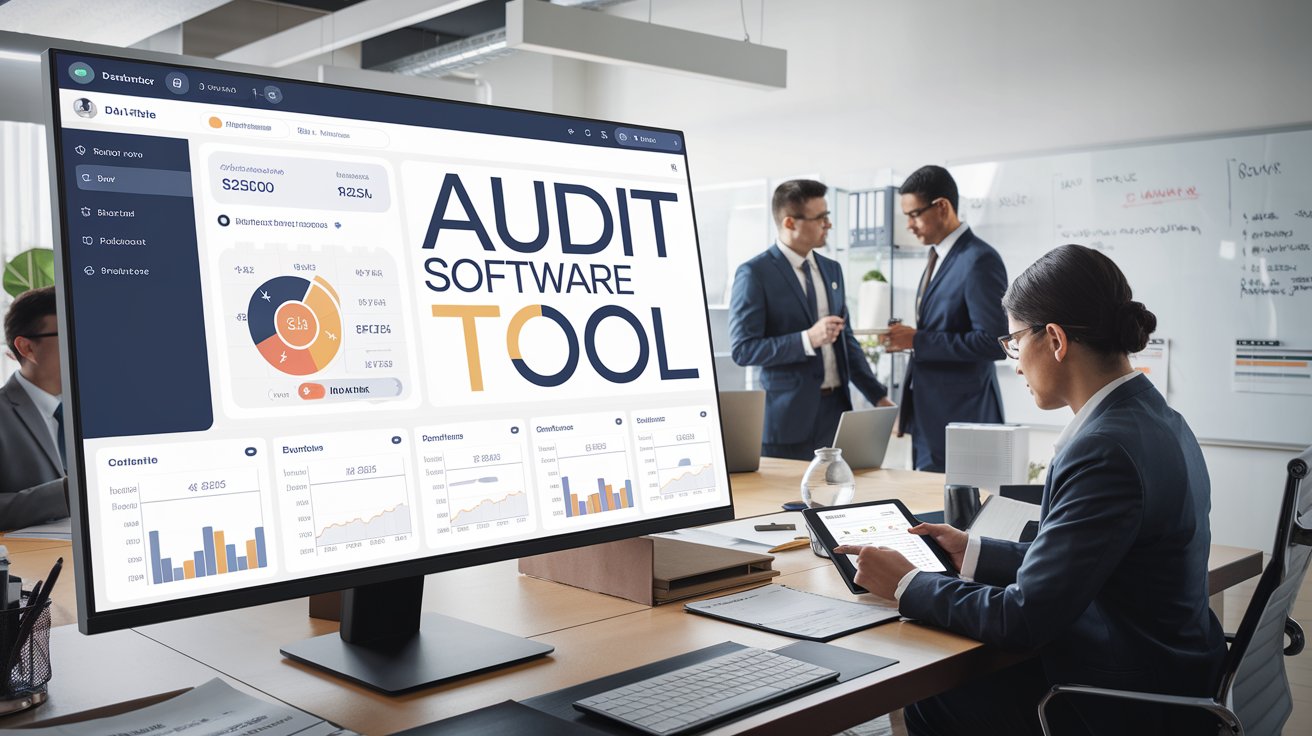
What is Audit Software?
Audit software is a specialized tool for automating and managing the auditing process. It enables auditors to collect, process, and evaluate data more efficiently, assuring regulatory compliance while also identifying potential risks or inefficiencies in company processes. Financial auditors, internal auditors, and compliance specialists from a variety of businesses frequently use audit software solutions.
Key Features of Audit Software Tools
- Data Collection and Integration:
Modern audit software tools allow seamless integration with various data sources, such as accounting systems, ERP software, and external databases. This helps auditors to quickly access and collect relevant financial and operational data in real-time. - Risk Assessment and Analysis:
These tools are equipped with advanced algorithms that analyze the data and flag potential risks, discrepancies, or anomalies. This capability enables auditors to focus on high-risk areas, improving the overall efficiency of the audit process. - Automation of Audit Procedures:
Audit software tools automate repetitive tasks such as document management, report generation, and data validation. This not only saves time but also ensures consistency in audit procedures, reducing the chance of human error. - Compliance Monitoring:
Many audit tools are designed to monitor compliance with relevant industry regulations and standards, such as SOX (Sarbanes-Oxley), GDPR, and HIPAA. This feature helps organizations maintain compliance and avoid potential fines or penalties. - Collaboration and Reporting:
Audit software enables teams to collaborate seamlessly by allowing multiple users to access, edit, and share audit documents and findings in real-time. Additionally, these tools provide customizable reporting features, which make it easier to generate detailed audit reports for stakeholders.
Benefits of Using Audit Software Tools
- Enhanced Accuracy:
By automating data collection and analysis, audit software eliminates manual errors and ensures that audit results are more accurate and reliable. - Improved Efficiency:
The automation of routine tasks reduces the time required to complete audits. Auditors can focus on more strategic activities, such as risk evaluation and providing actionable insights. - Cost Savings:
Audit software tools can lead to significant cost savings by reducing the need for extensive manual labor and minimizing the risk of costly mistakes. - Real-Time Insights:
With integrated data analysis and reporting capabilities, audit software provides real-time insights into financial and operational processes. This allows businesses to identify issues and take corrective actions swiftly. - Scalability:
Whether you are an SME or a large enterprise, audit software can scale to meet the demands of your organization. Many tools offer flexible features that can be customized based on the size and complexity of your audit requirements.
Unlock the Power - Demo Today! https://axonator.com/request-for-demo/
How to Choose the Right Audit Software Tool
When selecting an audit software tool for your organization, consider the following factors:
- Compatibility:
Ensure that the tool integrates seamlessly with your existing systems, such as accounting software, ERP systems, and cloud storage platforms. - User-Friendliness:
Choose software that is intuitive and easy for your team to use. Look for tools that offer clear navigation, customizable dashboards, and comprehensive support. - Security Features:
Since audits often involve sensitive financial and operational data, security is a top priority. Ensure that the software you choose offers robust security features such as encryption, secure access controls, and audit trails. - Customization and Flexibility:
Different industries have unique auditing requirements. Look for software that offers customizable templates and reporting features that can be tailored to your specific needs. - Customer Support and Training:
Consider the level of support provided by the software vendor. Quality customer service and training resources can significantly improve the user experience and ensure smooth implementation.
Audit software tools have become essential for businesses seeking to streamline their auditing processes, enhance accuracy, and ensure compliance with regulatory standards. By adopting the right audit software, organizations can improve their audit efficiency, reduce risks, and make informed decisions based on real-time data.
When choosing an audit software tool, take the time to evaluate your organization’s specific needs, and select a tool that offers scalability, integration, and robust security. By doing so, you’ll ensure that your audit process is not only effective but also future-ready.