An internal quality audit is a critical step in maintaining and developing any organization's quality management system (QMS). Organisations can assure quality standards and continual improvement by identifying internal process strengths and weaknesses. In this article, we will lead you through the steps of performing an internal quality audit.
What is an Internal Quality Audit?
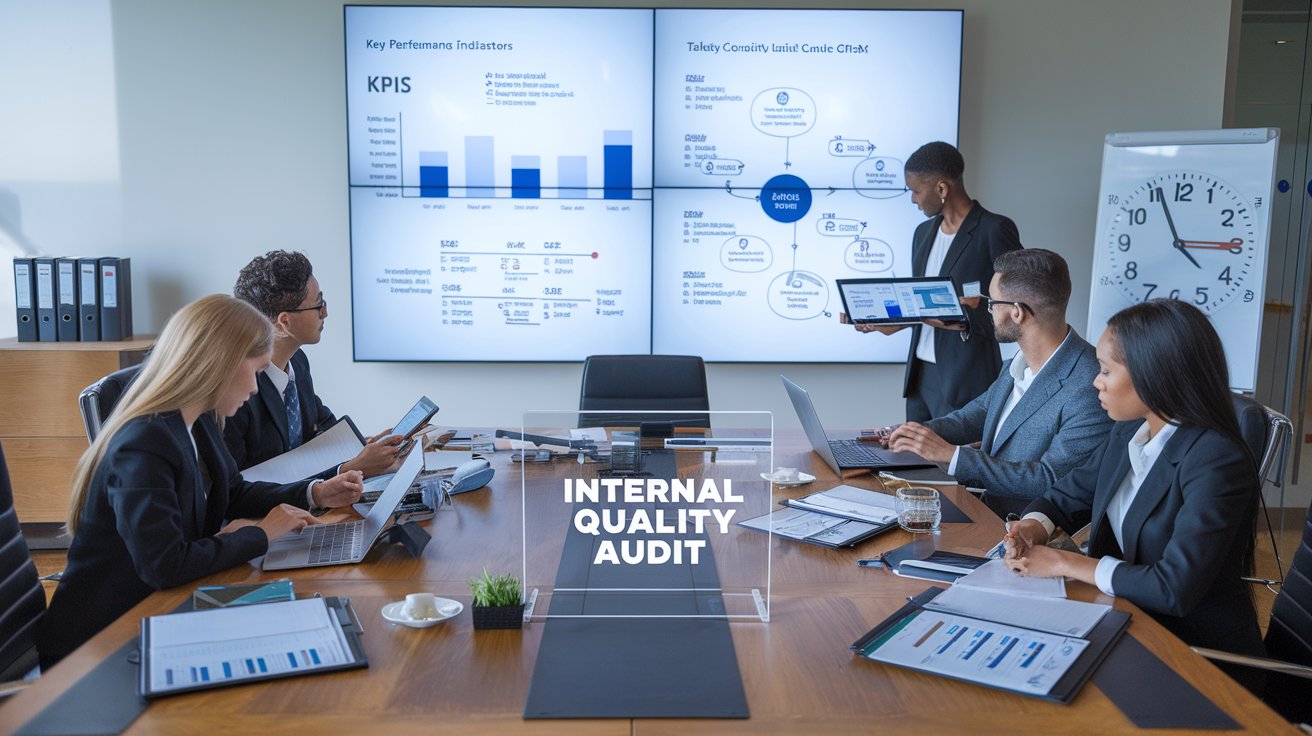
An internal quality audit is a systematic and impartial evaluation of a company's internal processes, policies, and controls to ensure that it meets its quality requirements. It entails determining if the organization's quality management system (QMS) is performing as planned and identifying areas for improvement.
Why Conduct Internal Quality Audits?
- Ensure Compliance: To verify that processes are in line with internal policies and external regulatory requirements.
- Identify Non-Conformities: To detect and address any deviations from the set standards.
- Continuous Improvement: To foster a culture of ongoing improvement in quality management practices.
- Prepare for External Audits: To identify potential issues before an external audit takes place.
Steps to Conduct an Effective Internal Quality Audit
1. Plan the AuditPlanning is critical to the success of the audit. It ensures that the process is systematic and comprehensive.
- Define Objectives: Clarify the goals of the audit. Are you verifying compliance, looking for process inefficiencies, or preparing for an external audit?
- Set the Scope: Determine which departments, processes, or systems will be audited.
- Select the Audit Team: Choose experienced internal auditors who are independent of the area being audited to ensure objectivity.
- Schedule the Audit: Plan the audit schedule well in advance, allowing all involved parties to prepare adequately.
2. Prepare for the AuditBefore beginning the audit, gather the necessary documents and materials.
- Review Quality Standards: Familiarize yourself with the standards, policies, and procedures that need to be followed.
- Audit Checklist: Develop an audit checklist to ensure that all critical areas are covered and nothing is overlooked.
- Review Past Audit Reports: Look at the results of previous audits to identify areas of concern or ongoing issues.
3. Conduct the AuditDuring the audit, assess the various processes in detail to identify non-conformities, inefficiencies, or opportunities for improvement.
- Interview Key Personnel: Speak with employees involved in the processes being audited to gather insights into how things are working on the ground.
- Observe Processes: Walk through the processes, observe operations, and verify if the practices align with the documented procedures.
- Collect Evidence: Gather objective evidence such as records, reports, and metrics that demonstrate whether processes are being followed correctly.
4. Report FindingsOnce the audit is complete, it’s important to document your findings clearly and concisely.
- Document Non-Conformities: Record any areas where the processes do not meet the required standards.
- Provide Recommendations: Suggest improvements to address any identified issues or inefficiencies.
- Prepare the Audit Report: Create a detailed report that outlines the scope, findings, non-conformities, recommendations, and any corrective actions taken.
5. Follow-Up and Corrective ActionsThe final step in the audit process is ensuring that the audit leads to real improvements.
- Implement Corrective Actions: Based on the audit findings, the relevant departments or teams should implement corrective actions to resolve any issues.
- Track Progress: Monitor the progress of the corrective actions and verify their effectiveness.
- Schedule Follow-up Audits: If necessary, conduct follow-up audits to ensure that the corrective actions have been successfully implemented.
Best Practices for a Successful Internal Quality Audit
- Be Objective and Impartial: Ensure that the audit is unbiased and based on facts, not opinions.
- Involve Key Stakeholders: Engage departments and teams early in the audit process to ensure cooperation and transparency.
- Use Audit Software: Leverage quality audit software to streamline the process, track findings, and maintain records.
- Provide Constructive Feedback: The audit is a tool for improvement, not punishment. Provide feedback in a constructive manner that encourages growth.
Conducting an internal quality audit is a vital part of maintaining high standards in any organization. By following a systematic approach, identifying areas for improvement, and implementing corrective actions, businesses can improve their processes, comply with regulations, and continuously enhance their quality management system.
Regular internal quality audits help organizations stay competitive, ensuring that they meet their quality goals and exceed customer expectations.