In today's competitive industry, quality assurance is critical to sustaining consumer trust and guaranteeing long-term corporate success. Among the different methods used, cross-check quality inspection has emerged as an efficient tool for guaranteeing that all products and services satisfy defined quality requirements. This article explains what cross-check quality inspection comprises, its benefits, and how firms can use it to maximize productivity.
What is Cross-Check Quality Inspection?
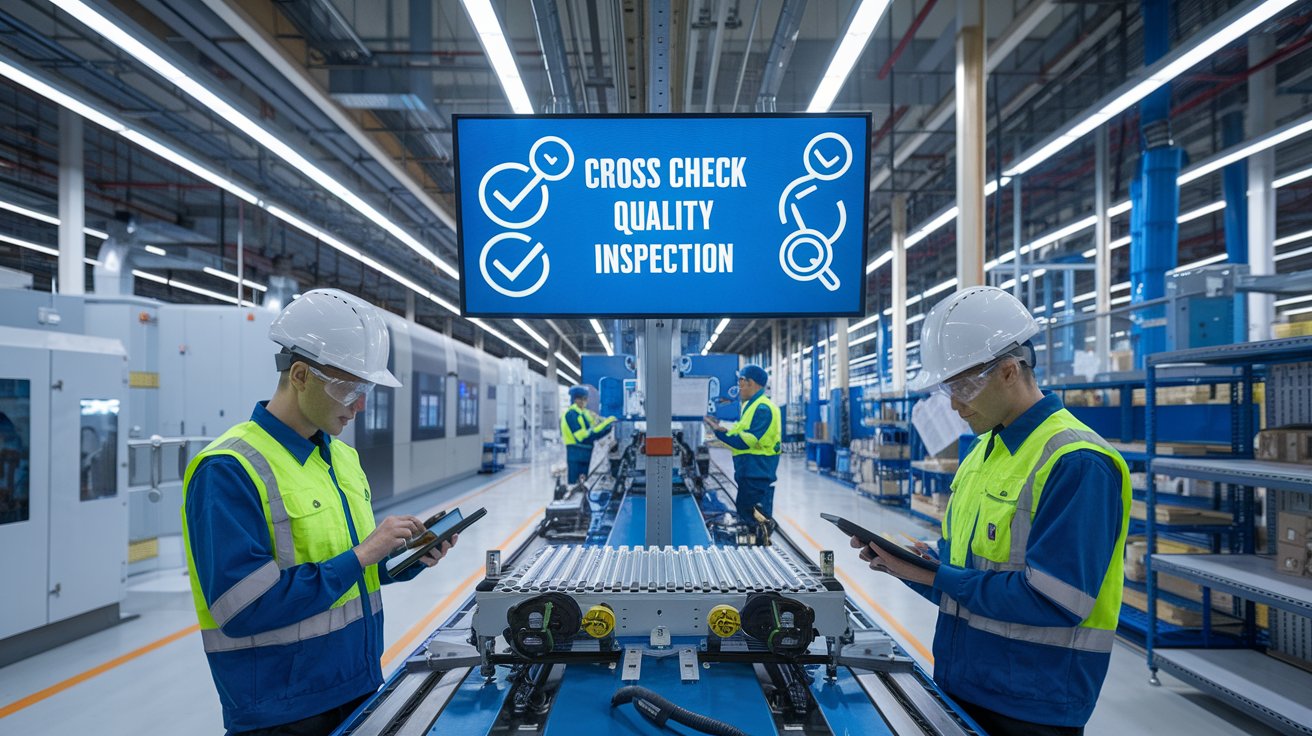
Cross-check quality inspection is a method that involves numerous persons or teams independently verifying the quality of a product or process. Unlike a single-layer inspection, this method includes a second (or even third) layer of verification, reducing the possibility of oversight or prejudice.
For example, in manufacturing, after an initial quality control team inspects a batch of products, a second team re-evaluates the items to ensure the first assessment was correct. This double-checking method adds an extra level of inspection and assurance.
Benefits of Cross-Check Quality Inspection
- Enhanced Accuracy:Cross-checking minimizes human error, ensuring that defects or discrepancies that might be overlooked in the first inspection are caught during subsequent checks.
- Unbiased Results:Having a second team review the inspection reduces the likelihood of bias, leading to a more objective evaluation.
- Improved Compliance:Regulatory standards often demand strict quality assurance. Cross-check inspection ensures adherence to these standards, reducing the risk of non-compliance.
- Increased Customer Satisfaction:Delivering defect-free products consistently enhances customer trust and loyalty.
- Cost Efficiency:Though cross-checking may seem resource-intensive, it prevents expensive recalls or rework caused by undetected defects, ultimately saving costs.
Key Industries Utilizing Cross-Check Quality Inspection
- Manufacturing:Ensures defect-free production, especially in sectors like automotive, electronics, and pharmaceuticals.
- Food and Beverage:Maintains stringent hygiene and quality standards to protect consumer health.
- Construction:Validates structural integrity and compliance with building codes.
- Software Development:Cross-checks code for bugs and ensures functionality aligns with requirements.
Steps to Implement Cross-Check Quality Inspection
- Define Quality Standards:Clearly outline the parameters and benchmarks that need to be met during inspections.
- Train Inspection Teams:Equip teams with the necessary tools and knowledge to conduct thorough inspections.
- Use Standardized Checklists:Ensure consistency by using detailed checklists tailored to the specific industry or product.
- Integrate Technology:Utilize tools like digital inspection apps, automated systems, and AI-powered quality management software to streamline the process.
- Conduct Regular Audits:Periodically review and refine the cross-check process to address any inefficiencies or bottlenecks.
Challenges in Cross-Check Quality Inspection
- Resource Intensity:Additional layers of inspection require more personnel, time, and tools, which may strain resources.
- Coordination Issues:Synchronizing efforts between teams can be challenging, especially in large organizations.
- Risk of Over-Inspection:Excessive cross-checking can lead to delays and increased costs without significant improvements.
Future Trends in Quality Inspection
As technology advances, the cross-check quality inspection process becomes more efficient. AI and machine learning are increasingly being used together to detect faults more accurately and faster. Furthermore, cloud-based quality management solutions enable real-time collaboration among inspection teams, increasing efficiency.
Cross-check quality inspection is a reliable methodology for firms who strive for excellence. Companies that use numerous levels of verification may ensure that their products meet the highest quality standards, nurture consumer satisfaction, and maintain a competitive advantage in the market. While there are limitations, smart deployment and the use of contemporary tools can make cross-check inspection a key component of quality assurance.
Investing in this approach today not only ensures a brighter future for your brand, but it also demonstrates your commitment to providing nothing but the finest.