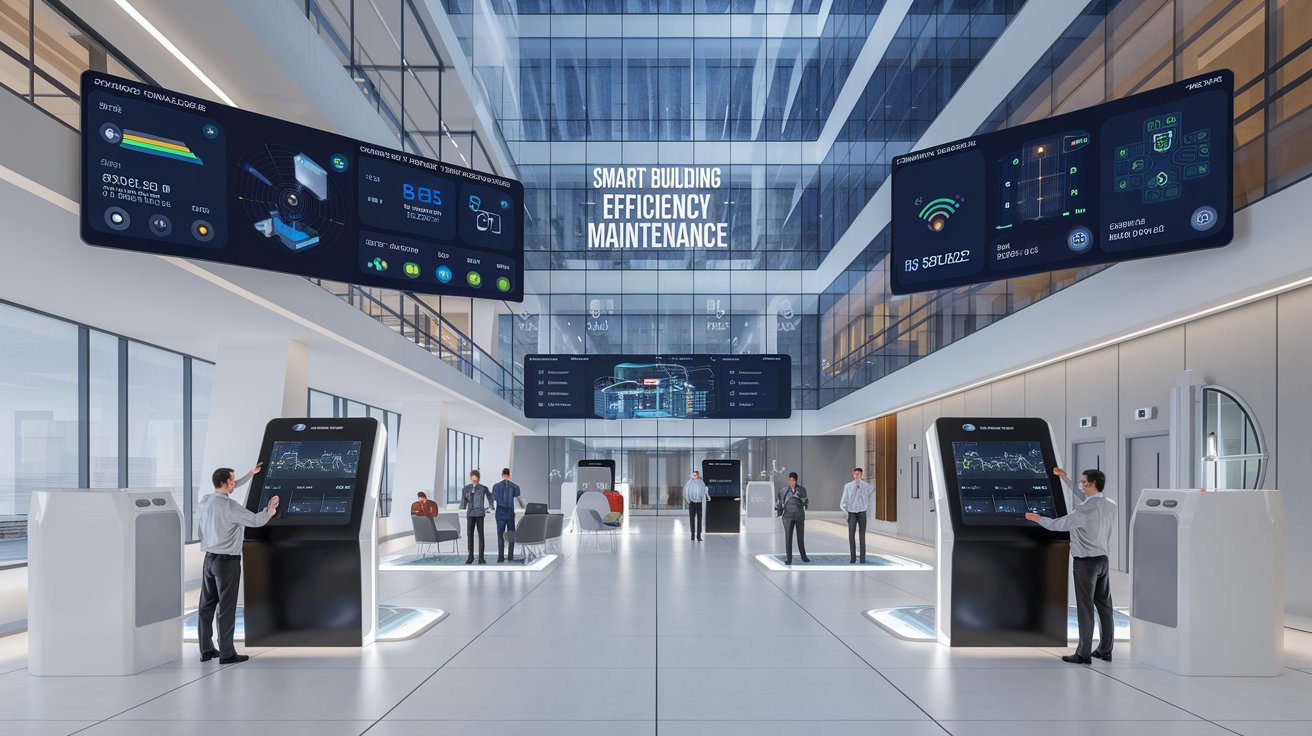
In the world of modern design, smart buildings are no longer a pipe dream; they are becoming a reality. Smart buildings, which incorporate cutting-edge technology, are altering how we manage and maintain facilities. The cornerstone of this revolution is Smart Building Facility Management, which uses Internet of Things (IoT) devices, automation systems, and AI-powered analytics to improve building efficiency, sustainability, and comfort.
What is Smart Building Facility Management?
At its core, smart building facility management is the use of digital technology and data-driven systems to regulate and optimise the building's environment, operations, and services. Smart technology allows building managers to track, monitor, and alter all aspects of a building's performance remotely and in real time, including heating, ventilation, and air conditioning (HVAC) systems, lighting, security, and energy consumption.
Key Components of Smart Building Facility Management
- IoT-Enabled Systems
Internet of Things (IoT) devices play a crucial role in transforming traditional buildings into smart ones. These devices collect data about building operations, such as temperature, humidity, energy usage, and occupancy levels, providing actionable insights to facility managers. IoT sensors in equipment like HVAC units and lighting systems help identify inefficiencies, enabling timely repairs and optimized usage. - Automation and Control Systems
One of the defining features of smart buildings is the automation of essential building functions. Automated systems control lighting, heating, and air conditioning based on occupancy and time of day. For example, motion sensors can turn lights off when rooms are empty, reducing energy waste. Similarly, HVAC systems can adjust based on real-time temperature data to ensure energy efficiency while maintaining occupant comfort. - Energy Efficiency and Sustainability
Smart building systems are central to creating more sustainable facilities. Automated energy management systems allow buildings to adjust their energy usage based on occupancy and weather conditions. Additionally, renewable energy sources such as solar panels can be integrated into the building’s energy system, further reducing its carbon footprint. - Predictive Maintenance
Predictive maintenance is another crucial benefit of smart building management. Using data analytics and machine learning, facility managers can predict when equipment will fail or require maintenance. This allows for preventive measures to be taken before costly breakdowns occur, thus extending the lifespan of equipment and reducing maintenance costs.
Benefits of Smart Building Facility Management
- Increased Efficiency: Automated systems and real-time data tracking improve operational efficiency, reducing human error and optimizing energy use.
- Cost Savings: By using energy-efficient systems and predictive maintenance, smart buildings reduce operational costs in the long run.
- Enhanced Comfort and Safety: Smart buildings enhance the comfort of occupants by adjusting temperature, lighting, and ventilation according to individual preferences and needs. Additionally, integrated security systems improve safety.
- Environmental Impact: By utilizing energy-efficient systems and renewable energy sources, smart buildings contribute to sustainability and reduced environmental impact.
Demo Our Solution! https://axonator.com/request-for-demo/
The Role of AI and Data Analytics in Smart Building Management
Artificial intelligence (AI) and data analytics are critical to the development of smart buildings. With vast amounts of data collected from numerous sensors, AI systems analyse and process it in real time to make judgements. These systems can forecast trends and behaviours, ensuring that the building's resources are used as efficiently as feasible. AI, for example, may modify lighting and HVAC systems depending on occupancy patterns, weather forecasts, and previous usage data, thereby optimising both comfort and efficiency.
Challenges and Considerations
While the advantages of smart building facilities management are numerous, deploying these technologies presents difficulties. Many building owners face challenges with initial setup costs, integration complexity, and data security issues. Additionally, ongoing software updates and system maintenance are required to guarantee that these systems run efficiently and safely.
The Future of Smart Building Facility Management
The future of facility management is dependent on the seamless integration of technology with building operations. As IoT, AI, and machine learning improve, smart buildings will become more intuitive and responsive, resulting in increased efficiency and sustainability. The rise of 5G networks will drive the adoption of smart buildings by allowing for quicker data transmission and more dependable communication for building systems.
For facility managers, the journey to smart building management entails adopting a new perspective on building operations—one that prioritises data, automation, and sustainability. By staying ahead of the curve and investing in smart technologies, facility managers can ensure that their buildings are not only more efficient, but also more pleasant, secure, and environmentally friendly.
Smart building facility management is redefining the real estate and facility management industries by providing more intelligent, environmentally friendly, and cost-effective solutions. As technology advances, the possibilities for more sophisticated systems and smarter structures become unlimited. Facility managers that implement these technologies will be at the vanguard of the future of building management, improving operational efficiencies as well as tenant quality of life.