Freight management is characterized by the continuous interaction between the shipper, carrier, driver, warehouse, and the customer. With information that is spread out among emails, spreadsheets, phone calls, and separate applications, the efficiency of everyday decisions could be hampered. Freight management solutions offer a comprehensive solution for managing transport processes efficiently.
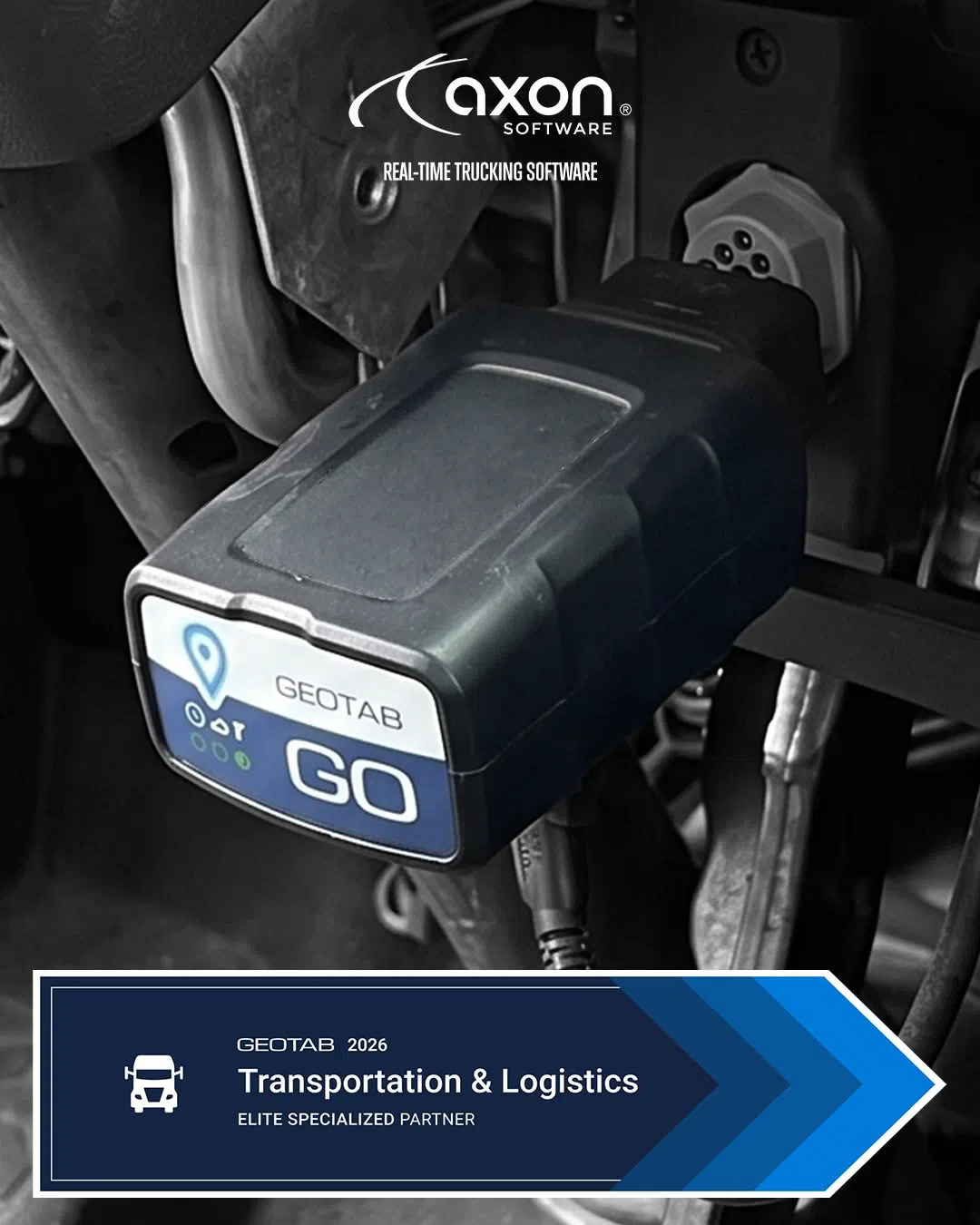
An effective solution needs to be helpful for the planning of shipments starting from their booking until they are finally delivered. The dispatcher will be able to plan pick-ups and deliveries, choose an appropriate vehicle, track the shipment, and convey information concerning any changes. It will be easier to notice any problems in the schedule due to this.
Routing can be another aspect that can see improvements through the application of technology. Systems nowadays are able to take into account variables like distance, capacity of vehicles, priorities of deliveries, traffic conditions, and the time available for driving. Better routing will allow for saving on unnecessary kilometers driven and will also increase the utilization of assets. For those organizations that work on numerous deliveries, even small improvements may make a difference in their operational performance.
There is no denying that visibility also plays a part in customer service. With the help of location tracking and status reporting, dispatchers will know where the shipment is located and whether it continues to follow the schedule. In this case, customers will get real data about the shipment instead of continuous reports made manually.
Document management is another aspect to consider. Various forms of documentation include bills of lading, confirmation of deliveries, invoices, inspections, and other documents that may be generated throughout the whole process of transportation. Freight management solutions will assist you in creating an organized system for storing these documents, providing easy access to information whenever necessary.
Another way to improve planning through analysis of the process of transport management is to analyze different data. Data can relate to such aspects of transport management as costs of transportation, delivery efficiency, usage of vehicles, fuel costs, and any problems with delays that might occur. By analyzing these elements of your transport management process historically, it is possible to find inefficiencies in your business.
Integration aspects must also be viewed when examining any transportation technology. Integrate freight activities with accounting systems, warehouse management solutions, GPS tracking devices, customer portals, and/or electronic documents. This will help decrease the redundancy of typing data more than once. The company must try to see if the system will fit its current workflows and will be expanded with its shipping volume growth.
In conclusion, freight management solutions will add order to the complicated processes of transportation. Through integration of such aspects of logistics management as planning, routing, visibility, documentation, and performance measurement in one system, companies will gain better control and ensure a smoother process for everyone involved.
Robert Simmons is the author of this article. For more details about, Freight Trucking Companies. Please visit our website: axonsoftware.com.