Freight brokering is conducted in a dynamic setting where there is constant change regarding shipping information, carrier information, customer requirements, and prices. Using spreadsheets and emails to manage these processes could result in delays. Contemporary freight brokerage platforms enable the consolidation of all the relevant activities into one platform.
One benefit of using top freight broker software is the centralization of carrier and shipment information. Brokers would be able to manage their carrier data, which includes carrier profile information, insurance information, authority information, equipment types, and performance information without needing to look through different documents each time.
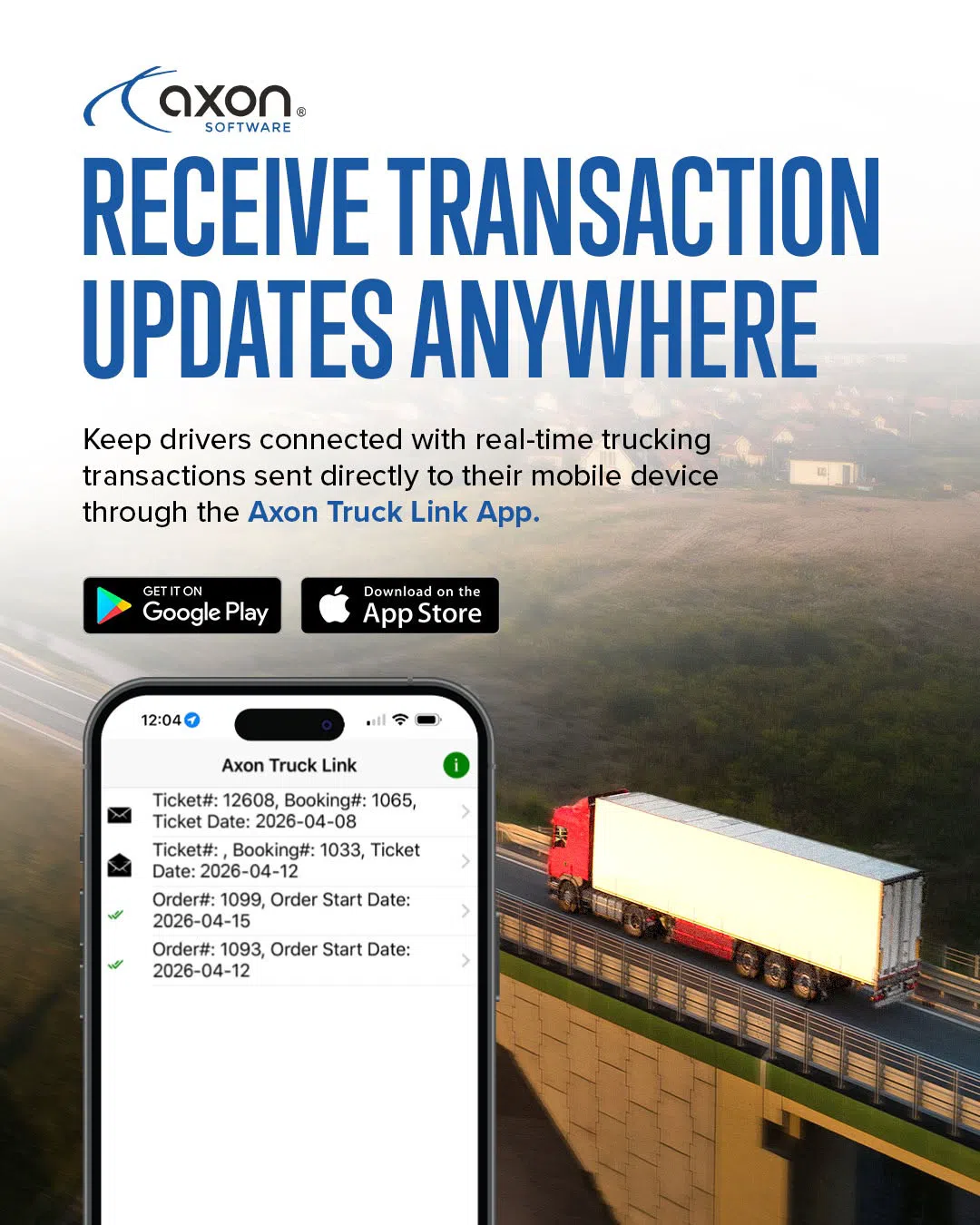
Another aspect where technology can help in improving the workflow is communications. One shipment may have various individuals involved, from customers to carriers, dispatchers, and even other brokers. The automated notification feature, messages, and shipment documents would save brokers from communicating about the same issue multiple times. Instead of trying to piece together different conversation threads, brokers would be able to look up the current information.
In the analysis of brokerage software, financial management should be taken into account. Confirmation rates, carrier payments, customer invoices, and accessorials include many details. The program can link operational information with the finance process, thus enabling employees to manage transaction details and decrease manual input of information. Better organization could assist in finding errors in billing even before they impact the cash flow.
The search for carriers becomes more strategic in case brokers have information related to history. The system could allow teams to compare the availability of carriers, their performance, equipment, lanes, and services. Such information could help in making the decision in case there are several options for transportation providers for a certain load.
It will help enhance the relationship with the customers. The customers have come to expect timely information concerning when their cargo will be picked up, transit status, any delays, and the delivery status. The use of tracking data in the brokerage process means that tracking will not require the staff to be constantly asking from the drivers or the carriers. The staff will be able to relay possible problems before the customer finds out himself.
Scalability is another feature that will help in the growth of the freight brokers. The more shipments they handle, the more difficult it becomes to manage all the tasks individually. The top freight broker software is able to offer workflows that incorporate all the other loads, carriers, and transactions without managing each task separately.
These aspects should be considered when deciding which software to use. In many cases, the brokerage platform will contain private information about customers, carriers, and finances, thus making secure access and proper data management vital. Integration with other accounting, transport, telematics systems, and electronic document management systems will result in a more integrated technological environment. This will allow brokers to make their workflows faster and better prepared for any changes in transportation requirements.
Robert Simmons is the author of this article. For more details about, Trucking Accounting Services. Please visit our website: axonsoftware.com.