Big wheels are a popular modification on sports cars. Nowadays, more companies offer discounts to entice buyers to upgrade to larger wheel options. While bigger rims can heighten a car's appeal, you need to know how this upgrade will affect your vehicle, particularly its performance. Let's talk about what you need to consider before making this upgrade and whether or not it will be worth the cost.
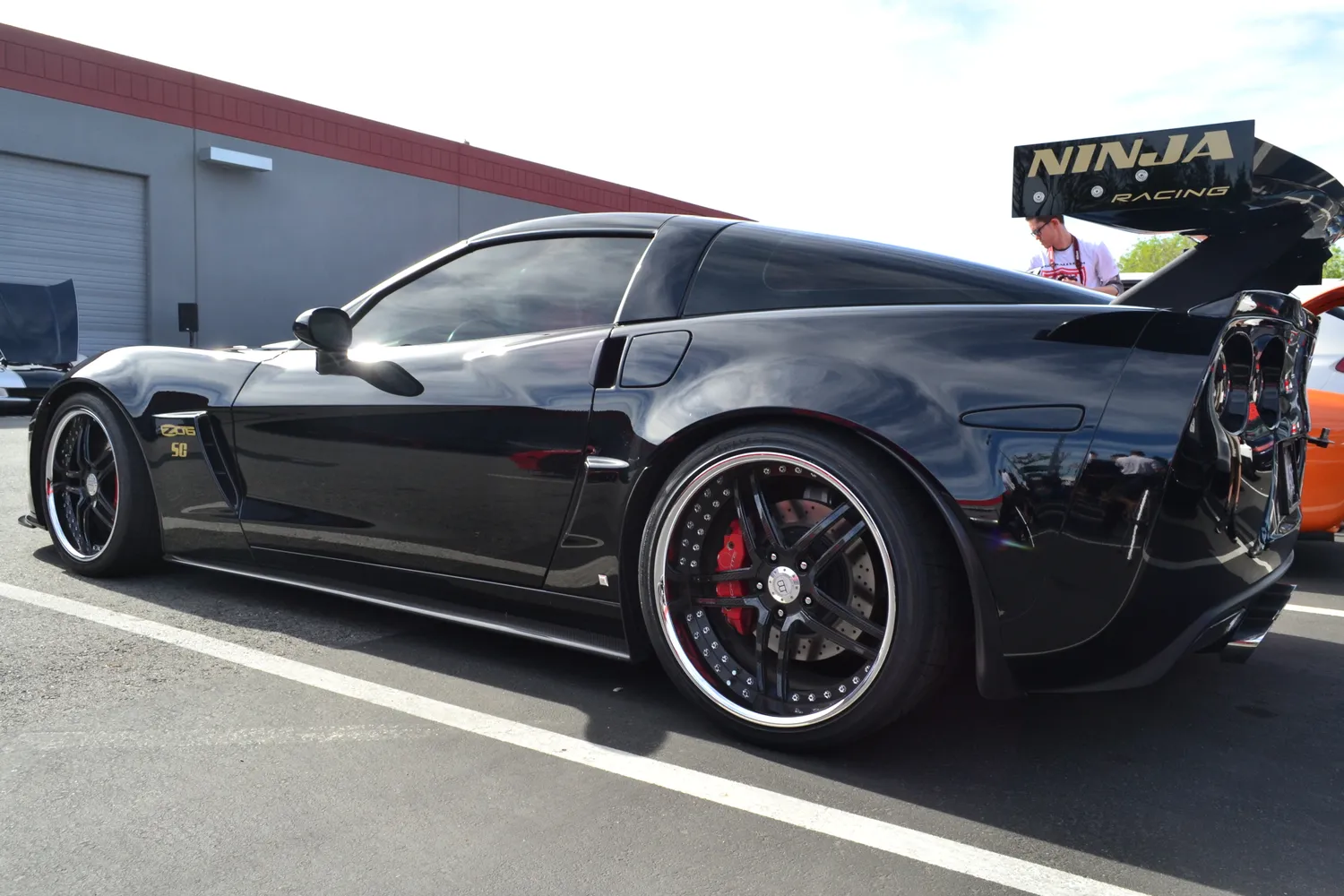
Why do sports cars have large wheels?
A sports car is engineered for performance driving, with speed and handling being the main attributes. Not just for style, the large wheels are carefully designed to fit the car's overall performance and handling characteristics.
Bigger wheels help sports cars achieve better performance and handling. The larger the wheel, the more rubber you can put on it, translating into more grip when cornering.
Another reason why sports cars have big wheels is because they look great. While this may seem like an insignificant reason, it's actually significant for many people who buy sports cars. It's also an excellent way to make your vehicle stand out.
Advantages Of Bigger Wheels in Sports Cars
- Improved appearance
The wheels of a car are one of the first things you notice when you look at it. They're also a big part of the overall look of a vehicle since they're usually the biggest piece of visible bodywork on any given vehicle.
Large wheels like the Blade Motiv Wheels can improve the visual appeal of a sports car in several ways. One is that they can create a more aggressive stance, making the car look more powerful and intimidating. Additionally, larger wheels can help fill the wheel wells, giving the car a more muscular and sporty appearance.
Bigger wheels can also make a car look more expensive and upscale, which can be desirable for certain buyers.
- Better grip and traction
Bigger wheels are wider, which allows you to mount them with wider tires. Wide tires have more contact patches with the road, meaning better grip and less tire slippage. In other words, they stick to the surface better.
It's the same idea as to why big trucks have so much more traction than small cars since they have more rubber on the ground. The same principle applies to motorcycles, as bigger wheels and tires mean better grip and less sliding around corners.
- Improved cornering
If you've ever been on a cornering course in a sports car, you know how much fun it can be to throw the car into a corner at high speed and take the turn hard.
You might also have noticed that big wheels make a difference. Bigger wheels give the car more grip and allow you to take corners faster without using as much brake.
Wider wheels increase the contact patch between your tires and the road. It means that more of your tires are touching the ground at any given moment, giving you more grip when taking corners at high speeds.
- Better braking performance
Due to increased road grip and traction, bigger wheels can provide a sports car with better braking performance. Braking is an essential aspect of driving at high speed. It is also crucial in racing, making it one of the main reasons sports cars have bigger wheels. The larger contact patch of the tire with the road can generate more friction and provide better stopping power. Additionally, the larger wheels can accommodate larger brake rotors and calipers, improving the braking performance of a sports car.
Disadvantages of Bigger Wheels in Sports Cars
- Increased fuel consumption
Large wheels increase a sports car's fuel consumption because they are heavier, leading to an overworked engine. The additional weight from larger tires causes the engine to work harder, requiring it to burn more fuel. Additionally, larger wheels increase the vehicle's frontal area, causing an increase in drag forces that the engine has to work against. This increase in drag forces means that the engine needs to burn more fuel to overcome its resistance. Larger wheel diameters increase the ground clearance, creating air vortices below the car, resulting in a higher air resistance coefficient and reducing fuel efficiency. Therefore, sports cars with larger wheels require more fuel to overcome the additional weight and air resistance the wheels create.
- Steering problems
Sports cars with bigger wheels can experience steering problems due to the wheels' increased weight and contact patch. The larger size of the wheels makes the steering system of the car slightly more difficult to move, causing the steering wheel to feel heavier and the vehicle to feel slower. This additional weight can also cause excessive wear and tear on the steering and suspension components, leading to steering problems such as looseness and knocking noises when hitting bumps. Moreover, bigger wheels can negatively affect the car's alignment and handling, leading to a less responsive and more unstable driving experience.
- Quick tire wear
Bigger wheels can cause tires to wear out faster due to various reasons. Oversized rims can lead to quicker tire wear, especially around the sidewall areas. It is due to different factors like heavier steering, wheels, and tires that scrape the body panels. Additionally, the larger wheel size can lead to a thinner layer of rubber on the tire surface, making the tire more susceptible to wear and tear.
They can also cause misalignment issues, such as ball joint problems, contributing to faster tire wear. Misaligned toe or camber can also cause the inner and outer edges of the tires to wear out faster than their other surfaces.
- Safety system warning issues
Bigger wheels in a sports car can cause safety system warnings to be inaccurate and respond slowly due to the changes in tire size affecting the accuracy of the car's electronic safety aids, such as Electronic Brakeforce Distribution (EBD), Anti-lock Braking System (ABS), and traction control. These systems may not respond accurately and timely because of the bigger wheel size, causing safety concerns for drivers and passengers.
- Speedometer error
When you change to bigger wheels, the overall circumference of the tire increases, which means that the tire will travel more distance per revolution than the original equipment tire. As a result, with each tire revolution, you're traveling a greater distance than before, causing the speedometer to have an inaccurate speed. It means that you may be driving faster than the speedometer indicates. Therefore, bigger wheels cause speedometer errors by making the speedometer read slower than the actual speed.
Conclusion
In the end, bigger wheels provide the sports car with undisputable advantages. With its lower center of gravity, better braking, and road grip, a sports car can attain speeds faster than other cars on the road that do not have these advantages. We hope we shared helpful information to avoid misunderstandings about why large wheels are common in sports cars.
Author: Oliver Bennet