Indian farming is entering a new phase of operational efficiency. With increasing pressure on water resources, rising labour costs, and tighter crop cycles, farmers are actively seeking smarter ways to develop on-field infrastructure. What once required large labour teams and extended timelines is now being transformed through mechanised solutions that prioritise speed, accuracy, and consistency.
One of the core challenges on any farm is preparing the land for irrigation pipelines, underground cables, and drainage systems. Manual digging methods often lead to uneven depth, irregular alignment, and delays that affect the entire cropping schedule. When infrastructure work is postponed, irrigation setup slows down, and crop sowing timelines shift. In agriculture, even a few days of delay can influence overall yield and profitability.
Mechanised ground preparation systems provide a structured approach to solving this problem. Designed to work with tractors already present on farms, these solutions help convert existing assets into powerful operational tools. This approach allows farmers to improve efficiency without purchasing entirely new heavy machinery, making mechanisation practical and financially sensible.
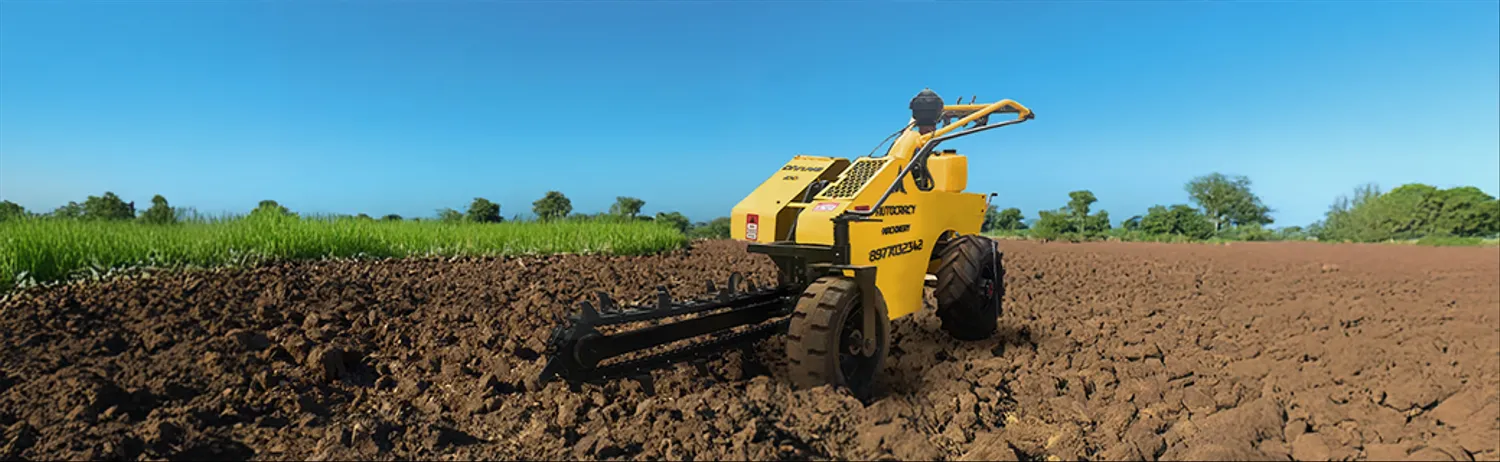
Precision in depth and alignment plays a crucial role in underground installations. Uniform channels ensure proper placement of irrigation lines and electrical conduits. When depth is consistent, water pressure remains balanced, leakages reduce, and long-term maintenance issues are minimised. Clean and accurate ground cutting directly improves the reliability of irrigation systems.
Modern farming increasingly depends on organised irrigation layouts. Micro-irrigation systems such as drip and sprinkler networks require carefully planned underground installations. As water conservation becomes a national priority, structured irrigation systems are replacing traditional open channels. Mechanised solutions enable farmers to prepare these networks quickly, allowing irrigation to begin sooner and crops to receive timely water supply.
Beyond irrigation, solar pump installations and underground power lines are also becoming common in rural areas. With the rise of renewable energy adoption in farms, safe and organised underground cable placement has gained importance. Mechanised preparation ensures that cables are laid at proper depth, protected from environmental damage and accidental exposure.
Although the initial investment in such systems may seem significant, long-term operational savings are substantial. Reduced dependency on seasonal labour lowers recurring costs. Faster execution shortens project timelines. Fuel-efficient designs keep operational expenses under control. Over time, the cost benefits clearly outweigh the initial purchase price.
The integration of these solutions within the broader ecosystem of agricultural equipment further strengthens farm productivity. When attachments and machines function seamlessly with tractors and support vehicles, the entire workflow becomes streamlined. This compatibility enables farmers to scale operations, expand irrigation networks, or develop new cultivation zones without disrupting existing systems.
Adaptability is another major advantage. Indian soil conditions vary widely—from hard black cotton soil to sandy and semi-rocky terrain. Mechanised systems are built to adjust cutting speed and depth according to soil type. In hard soil, they maintain productivity without exhausting labour resources. In softer soil, they ensure neat, stable channels that prevent collapse. Such flexibility ensures consistent results across regions.
Efficiency in groundwork directly enhances farm productivity. When infrastructure development is completed quickly, farmers can shift focus to crop management, soil health improvement, and market planning. Structured irrigation networks support uniform crop growth, reduce water wastage, and promote sustainable farming practices.
Independence is equally valuable. Instead of waiting for contractors or large labour teams, farmers can execute infrastructure work according to their own schedules. This autonomy allows better planning and faster response to seasonal requirements. During peak sowing periods, this control can make a measurable difference in overall output.
As farming continues to modernise, infrastructure development is no longer viewed as a one-time activity but as an ongoing strategic function. Reliable underground systems create a strong foundation for future expansion. Whether it is expanding irrigation lines, introducing solar systems, or diversifying crop patterns, well-planned groundwork ensures smoother transitions.
Government initiatives supporting farm mechanisation and water efficiency are further accelerating this shift. Farmers who adopt structured and precise ground preparation methods position themselves ahead in terms of productivity and resilience. Mechanisation not only saves time but also improves the overall quality of farm infrastructure.
In today’s competitive agricultural landscape, success depends on precision, speed, and efficient resource utilisation. Smart ground preparation solutions contribute significantly to these goals. By replacing uncertainty with consistency and labour dependency with technology, farmers can build operations that are sustainable, scalable, and future-ready.
The evolution of farming is not simply about adopting machines—it is about building systems that support long-term growth. When infrastructure is executed with accuracy and efficiency, it creates a stable platform for higher yields, better water management, and stronger profitability.