Power cuts are not just a small hassle anymore. Storms roll in. Lines go down. The lights flick off without warning. So, more homeowners are lining up for generator installation services to keep things running.
But here is the catch. A generator is not a magic fix. If hidden electrical issues sit behind the walls, adding backup power can stir up trouble. Old wiring, loose connections, or a weak panel can turn into bigger headaches once extra load flows through the system. And nobody wants sparks flying when the power comes back on.
Backup Power Is Not a Quick Plug-In Job
A backup generator is wired directly into the primary electrical panel. It feeds power into selected circuits during an outage. Sounds simple, right? Not exactly. The system must switch safely between grid power and generator power. It also needs to handle extra demand.
If the panel is outdated or circuits are already overloaded, things can heat up fast. Breakers may trip. Lights may flicker. In the worst cases, wires can overheat. So, before adding new equipment, the base system needs to be solid.
What Happens During an Electrical Safety Inspection?
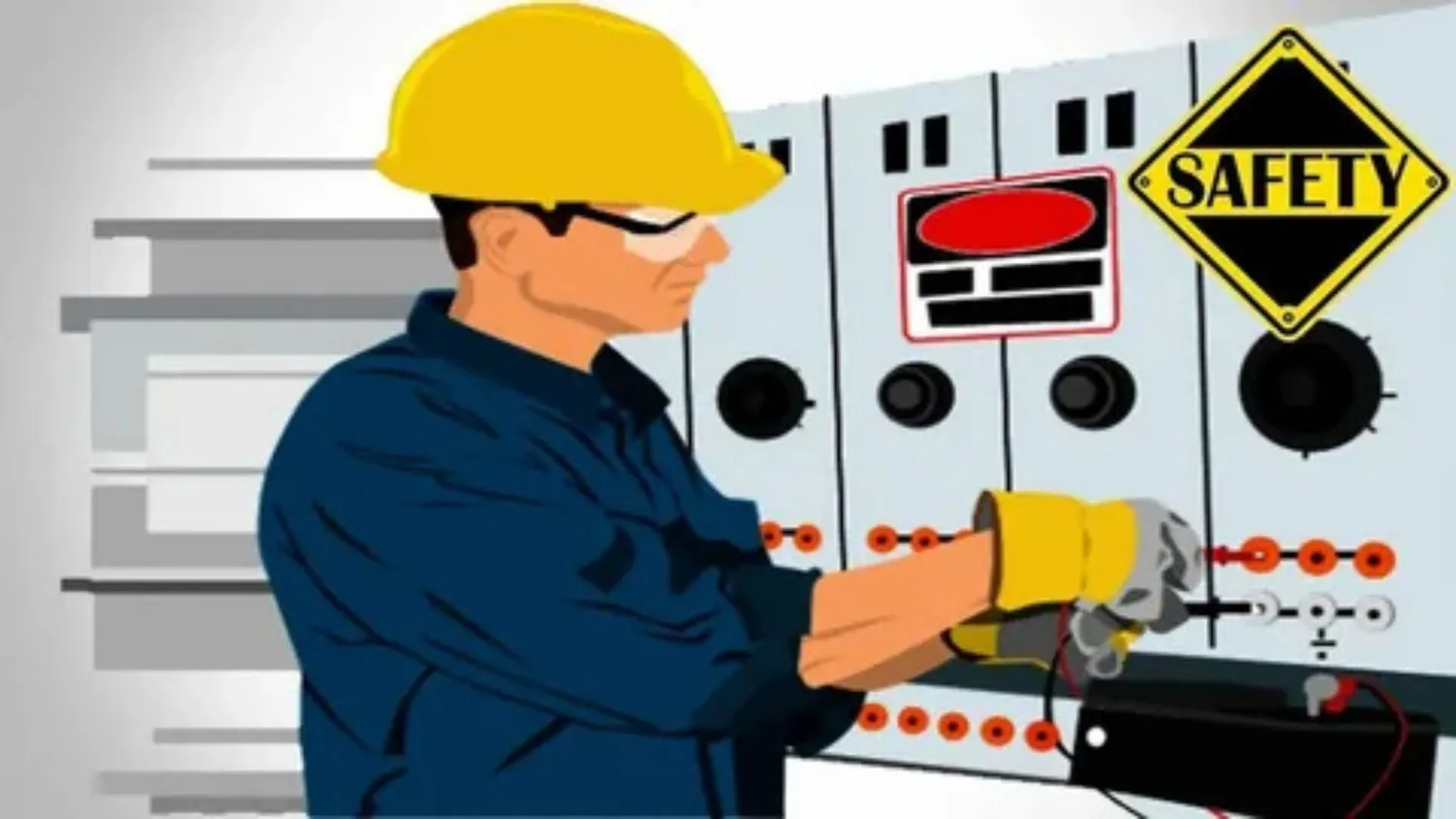
An electrical safety inspection is a full health check for the home’s wiring system. A licensed electrician looks at the panel, breakers, grounding, and visible wiring. The goal is simple. Spot risks before they grow teeth. During the visit, the electrician checks for:
- Loose or damaged wires
- Rust or corrosion inside the panel
- Proper grounding
- Correct breaker sizes
- Signs of overheating
- Code violations
Each of these issues may seem small on its own. However, when a generator kicks in, weak spots show up fast. Also, older homes may not have enough panel capacity. Some still run on 100-amp service. Modern appliances and a generator can push that limit. If the system is stretched too thin, upgrades may be needed first.
Permits and Inspections Are Not Just Red Tape
Some homeowners try to skip permits to save time. Still, electrical work is not something to gamble with. According to Mr. Electric, proper permits and inspections help confirm safe generator setup. They ensure the system meets local codes and protects utility workers from backfeeding. Backfeeding happens when power from a generator goes back into the utility lines.
This can seriously injure repair crews working to restore service. Insurance companies also pay attention. If damage happens due to unapproved work, claims may get messy. So, following the rules is not just paperwork. It is protection.
Hidden Problems Inspections Often Find
Electrical systems age quietly. Wires sit behind drywall for decades. No one thinks about them until something goes wrong. During an electrical safety inspection, electricians often discover:
- Double-tapped breakers
- Aluminum wiring connections
- DIY wiring changes
- Overloaded circuits
- Weak grounding systems
These issues can fly under the radar during daily use. But once generator installation services add a new load to the mix, the system can feel the strain.
For example, an overloaded circuit might already run warm. Add backup power and heavy appliances, and heat builds up faster. Over time, insulation can break down. And that is when risks rise.
Why a Strong Foundation Matters?
Safe generator installation services involve more than placing a unit outside the home. Electricians calculate the home’s power needs first. They decide which appliances should run during an outage. Then they connect the generator through a transfer switch.
If the wiring is not balanced or the panel is outdated, switching between power sources can cause voltage drops. Lights may dim. Equipment may shut off. So, fixing core issues first makes everything smoother. Think of it like building on solid ground. You would not add a second floor to a shaky house. The same logic applies here.
Long-Term Safety and Peace of Mind
A generator brings comfort during storms. Food stays cold. Heat stays on. Work can continue. However, peace of mind comes from knowing the entire electrical system is safe.
Scheduling a safety inspection before installation clears up doubts. It answers key questions about capacity, grounding, and code compliance. If upgrades are needed, they can be handled first. Then the installation moves forward without guesswork. Over time, a properly inspected system also reduces repair costs. Fewer surprises mean fewer emergency calls.
Final Thoughts
Backup power is a smart move. Still, skipping the inspection step can backfire. Hidden wiring problems do not fix themselves. In fact, extra load from a generator can bring them to light in the worst way.
An electrical safety inspection checks the home’s readiness. It reduces fire risks, protects equipment, and supports safe operation. At the end of the day, it is better to play it safe than sorry. A little prep work now can prevent big trouble later. And when the next outage hits, the lights will stay on without a hitch.