Achieving a more balanced silhouette does not always mean pursuing dramatic surgical changes. Butt Fillers in Dubai are often discussed as a minimally invasive approach to enhancing the appearance of the buttocks, particularly for people interested in improving contour, symmetry, or localized volume. However, because injectable body-contouring procedures involve important safety considerations, understanding what the treatment can realistically achieve—and what products and techniques are appropriate—is essential before making a decision.
What Are Butt Fillers and What Do They Aim to Achieve?
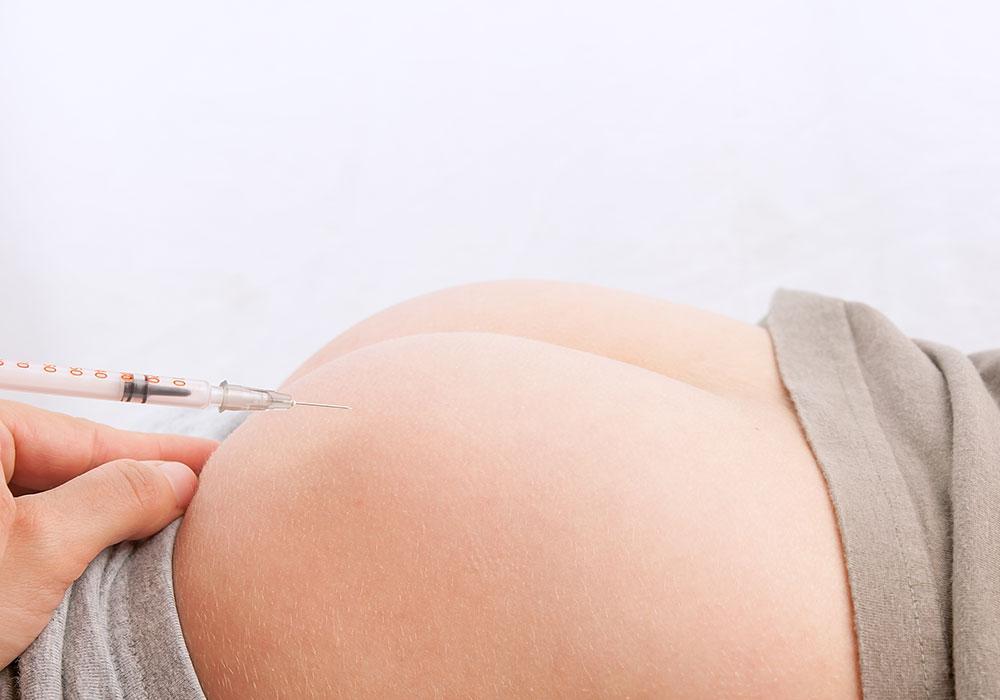
Butt fillers generally refer to injectable materials intended to add volume or alter the contour of the buttock area. Unlike surgical buttock augmentation, which may use implants or fat transfer, injectable approaches do not involve creating surgical incisions.
The goal is usually not simply to make the buttocks larger. A carefully planned enhancement may focus on creating a more proportionate transition between the waist, hips, and buttocks while addressing areas that appear flatter or less symmetrical.
Common aesthetic goals may include:
Improving the appearance of mild volume deficiencies
Creating a smoother-looking contour
Enhancing perceived roundness
Addressing certain asymmetries
Supporting a more balanced overall silhouette
It is important, however, to distinguish marketing terminology from established medical indications. In the United States, the FDA states that dermal fillers are approved for specific facial and other uses, but not for increasing the size of the buttocks. The agency specifically advises against using dermal fillers for buttock enhancement and warns about serious complications associated with inappropriate injectable body contouring.
For that reason, anyone considering buttock injections should have a detailed consultation with a properly licensed medical professional and confirm exactly which product is being proposed, whether it is authorized for the intended use in the relevant jurisdiction, and what evidence supports its safety.
How Can Injectable Buttock Enhancement Create Balanced Curves?
A balanced result depends on proportion rather than volume alone. The appearance of the buttocks is influenced by the relationship between the waist, hips, thighs, and lower back, so adding volume without considering the surrounding anatomy may not produce the desired aesthetic effect.
During a consultation, a qualified practitioner should assess the existing shape, skin quality, tissue characteristics, symmetry, and the individual's expectations. These factors can help determine whether an injectable procedure is appropriate or whether another form of buttock augmentation would be more suitable.
The concept of contouring is particularly important. Someone who wants a subtle improvement may have very different goals from someone seeking significant projection. A responsible treatment plan should therefore focus on individualized proportions rather than promising a standardized shape.
The American Society of Plastic Surgeons notes that buttock augmentation can improve the contour, size, and shape of the buttocks, while emphasizing that these procedures are highly individualized.
What Happens During a Butt Enhancement Consultation?
A consultation is one of the most important parts of any cosmetic injection procedure. It provides an opportunity to discuss expectations, medical history, previous procedures, allergies, medications, and potential contraindications.
Rather than choosing a treatment based solely on photographs or social media trends, patients should ask the practitioner to explain the proposed approach in detail.
Important questions include:
What exact product will be injected?
Is the product authorized for this specific use in the country where treatment is performed?
Who will perform the injections, and what relevant qualifications do they have?
What complications can occur?
What alternatives could achieve a similar aesthetic objective?
What happens if a complication develops or the product needs to be removed?
The FDA recommends that consumers know exactly what product they are receiving and have dermal filler injections performed by appropriately licensed healthcare professionals. It also warns against purchasing fillers online or receiving injections from unlicensed providers or nonmedical settings.
For individuals exploring butt fillers in Dubai, these questions remain valuable even when a particular product or procedure is marketed as minimally invasive. Regulations, product approvals, practitioner credentials, and clinical protocols should always be verified locally.
Butt Fillers vs. Surgical Buttock Augmentation
One reason injectable enhancement attracts attention is the perception that it may involve less downtime than surgery. Nevertheless, injectable treatments and surgical procedures are fundamentally different, and neither should automatically be considered better for everyone.
Surgical buttock augmentation can involve implants or fat grafting. According to the American Society of Plastic Surgeons, implants are surgically positioned within the buttock tissues, while fat grafting transfers the patient's own fat to improve buttock volume and shape.
Injectable body contouring, on the other hand, involves introducing a substance beneath the skin. The potential results, longevity, risks, and regulatory status depend heavily on the material and technique used.
This distinction matters because the phrase "butt filler" can encompass different products and practices. A consumer should never assume that a filler approved for facial use is automatically safe or approved for large-volume buttock enhancement.
The FDA specifically states that injectable silicone is not approved for aesthetic body contouring and warns that injectable fillers used for buttock enhancement can cause severe injury, permanent scarring or disfigurement, and potentially death.
Safety Should Come Before Sculpting
The desire for fuller or more balanced curves should never override safety. Body-contouring injections require particular caution because the buttock region contains important blood vessels, nerves, and other anatomical structures.
Potential complications associated with injectable fillers can include swelling, bruising, infection, inflammatory reactions, tissue damage, and vascular complications. The FDA explains that unintended injection into a blood vessel can obstruct blood flow and cause serious tissue injury.
Permanent or unapproved injectable materials can present additional concerns. Silicone injections, for example, may be extremely difficult or impossible to remove completely and have been associated with serious long-term complications.
Consumers should be especially cautious of anyone offering unusually cheap treatment, refusing to identify the product, promising guaranteed results, or suggesting injections can safely be performed outside an appropriate medical environment.
Safety questions should include:
Is the practitioner appropriately licensed and trained?
Is the facility a legitimate medical setting?
Is the product clearly identified and traceable?
Is the proposed use permitted by local regulations?
Are emergency protocols available?
Has the practitioner explained alternatives and possible complications?
Is there a clear follow-up plan?
These precautions are not intended to discourage cosmetic treatment. They are designed to help patients make informed decisions rather than choosing a procedure solely because it appears quick or convenient.
Setting Realistic Expectations for Curvier, Balanced Results
A successful aesthetic outcome should complement the individual's natural proportions rather than create an exaggerated appearance. Expectations are particularly important with any contouring procedure because photographs and online marketing may not accurately represent typical outcomes.
Some people may be seeking a subtle improvement in projection, while others may want a noticeably fuller appearance. The appropriate approach depends on anatomy, goals, product characteristics, and the medical professional's assessment.
It is also important to understand that "effortless" results do not mean risk-free results. Even procedures described as minimally invasive involve medical considerations and may require recovery, monitoring, or additional treatment depending on the technique used.
A consultation can help determine whether injectable enhancement is appropriate at all. In some cases, another approach—such as a different form of body contouring, surgical augmentation, or simply accepting the existing anatomy—may be more appropriate.
For people researching butt enhancement in Dubai, the most useful starting point is therefore not a promise of a particular shape but a careful assessment of safety, suitability, and realistic expectations.
Choosing a Qualified Provider in Dubai
Provider selection can make a significant difference in the quality and safety of cosmetic care. Patients should look beyond promotional photographs and investigate the practitioner's qualifications, experience with the specific procedure, facility standards, and approach to patient safety.
The American Society of Plastic Surgeons recommends choosing appropriately qualified, board-certified plastic surgeons for buttock enhancement surgery and emphasizes the importance of discussing risks and expectations directly with the surgeon.
For any buttock augmentation treatment, patients should also be comfortable asking difficult questions. A reputable practitioner should be willing to explain what is being proposed, why it is appropriate, what alternatives exist, and what could happen if the outcome is not as expected.
Most importantly, avoid practitioners who use vague descriptions such as "permanent liquid filler" without providing the product's exact name and regulatory information. The FDA has specifically warned consumers about injectable silicone and products falsely marketed as approved fillers for body contouring.
Conclusion
Sculpted, balanced curves are best approached through thoughtful planning rather than chasing dramatic changes. While Butt Fillers treatment may be marketed as a convenient way to enhance the buttocks, consumers should carefully verify the product, practitioner credentials, local regulatory status, potential risks, and available alternatives before proceeding.
The safest decision is one based on individualized medical advice and realistic expectations. A qualified professional can help determine whether an injectable approach is appropriate for your anatomy and goals—or whether another contouring option would provide a safer and more suitable path toward balanced proportions.