If you have eczema-prone or highly sensitive skin, you may wonder whether cosmetic procedures can be performed without triggering irritation. Morpheus8 Dubai treatments use radiofrequency microneedling to create controlled micro-injuries and deliver heat beneath the skin, which can stimulate collagen and improve texture. However, eczema requires extra caution because the skin barrier can already be fragile or reactive.
The key question is not simply whether you have a history of eczema, but whether your skin is currently calm, intact, and suitable for an energy-based treatment. For people with active eczema, delaying treatment and allowing the skin to recover is generally the safer approach.
How Morpheus8 Works on the Skin
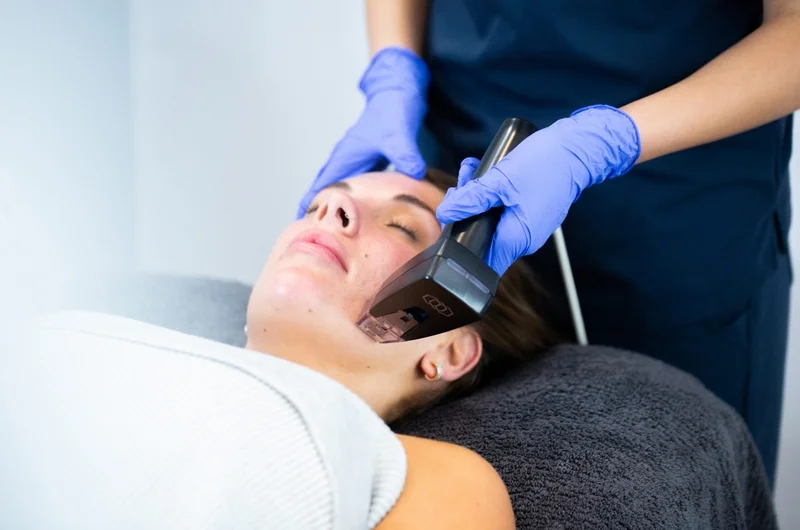
Morpheus8 is a form of radiofrequency microneedling. Tiny needles enter the skin while radiofrequency energy produces controlled heat at selected depths. This process is designed to encourage collagen remodeling and can be used for concerns such as uneven texture, fine lines, acne scars, and mild skin laxity.
Because the procedure intentionally creates small channels in the skin and introduces thermal energy, it is not the same as applying a soothing skincare product. The treatment places a temporary stress on the skin, meaning the condition of the skin barrier before treatment matters considerably.
For someone with eczema-prone skin, this distinction is especially important. Even when eczema is not currently flaring, a practitioner should evaluate the skin carefully before deciding whether radiofrequency microneedling is appropriate.
Is Morpheus8 Safe During an Eczema Flare?
Generally, Morpheus8 should not be performed over active eczema, dermatitis, or an active rash. The FDA's patient information for microneedling devices specifically lists a history of eczema and active facial rash among situations that require caution or may make treatment unsuitable.
Recent medical literature on radiofrequency microneedling also identifies active inflammatory skin conditions, including eczema and psoriasis, as reasons to defer treatment until the condition is controlled.
An eczema flare may involve redness, itching, dryness, scaling, cracking, or increased sensitivity. Introducing needles and heat while the skin is inflamed could potentially aggravate irritation and interfere with normal recovery.
Therefore, if you currently have an eczema flare in the area intended for treatment, postponing the procedure is usually the more cautious option. Your dermatologist or qualified treatment provider can determine when your skin has become stable enough to reconsider the procedure.
What About Eczema-Prone Skin That Is Currently Calm?
Having eczema-prone skin does not necessarily mean that you can never undergo an aesthetic procedure. However, it does mean that the treatment should be approached more carefully.
If your eczema is currently controlled, your skin has no active rash or open areas, and a qualified medical professional considers you an appropriate candidate, treatment may sometimes be considered. The decision should be based on your individual skin condition rather than simply checking a box for "eczema."
Before considering Morpheus8 treatment in Dubai, discuss:
Your history and pattern of eczema flares
Whether the proposed treatment area has recently been inflamed
Any prescription or over-the-counter products you use
Previous reactions to cosmetic procedures
Whether your skin tends to develop prolonged redness or pigmentation after irritation
Any history of poor wound healing or abnormal scarring
The FDA recommends discussing the anticipated benefits and risks with a qualified healthcare provider and choosing a provider who is appropriately trained in microneedling procedures.
Important Skin Barrier Considerations
The skin barrier plays an important role in protecting the body from environmental irritants and helping maintain hydration. Eczema-prone skin can be more vulnerable to barrier disruption, particularly during periods of inflammation.
Morpheus8 temporarily disrupts the skin through microneedling and controlled radiofrequency heating. That does not automatically make the procedure inappropriate for every person with sensitive skin, but it does make proper patient selection especially important.
A cautious practitioner may recommend waiting until the skin is completely settled rather than treating through mild redness or irritation. Some Morpheus8 consent materials also specifically identify active eczema, rash, very dry skin, and fragile skin as reasons treatment may be unsuitable.
This is why an in-person assessment should come before scheduling a session. A professional can examine the treatment area and determine whether the skin is sufficiently healthy to tolerate the procedure.
How to Reduce Potential Risks
If you have eczema-prone skin and are considering radiofrequency microneedling, safety should come before the desire for faster cosmetic results.
A sensible approach includes:
Wait for active eczema to settle. Avoid treating areas with an active flare, broken skin, significant redness, or dermatitis.
Tell your provider about your eczema history. Do not assume that a mild or occasional condition is irrelevant.
Review your skincare routine. Your practitioner may advise adjustments before and after treatment depending on the products you use.
Choose an appropriately trained medical professional. RF microneedling can cause significant complications if improperly performed.
Discuss treatment settings. Needle depth and radiofrequency energy should be selected according to the treatment area and your individual skin characteristics.
Follow aftercare instructions carefully. Protecting the skin while it recovers is particularly important when you are prone to irritation.
The FDA issued a safety communication in 2025 warning that certain uses of RF microneedling have been associated with serious complications, including burns, scarring, fat loss, disfigurement, and nerve damage. It recommends that patients seek treatment from licensed providers with appropriate training and experience.
This does not mean that every RF microneedling treatment is unsafe. Rather, it highlights why provider experience, appropriate device use, patient selection, and individualized settings matter.
When Should You Consider Postponing Treatment?
Even if you have already planned a session, postponement may be appropriate if your skin changes before treatment.
Consider contacting your provider before proceeding if you develop:
A new eczema flare in the treatment area
Significant redness, itching, or scaling
Cracked or broken skin
An infection or open wound
A cold sore in the treatment area
Unusual skin sensitivity
A recent sunburn or significant irritation
Microneedling guidance also identifies active infections and moderate-to-severe eczema or psoriasis as contraindications or situations requiring caution.
It is better to reschedule a cosmetic procedure than to proceed when the skin is compromised. Treating healthy, stable skin gives the practitioner a better starting point for managing the procedure and recovery.
What Should You Ask During Your Consultation?
A consultation is particularly valuable when you have eczema-prone skin. Instead of focusing only on the expected cosmetic benefits, ask how the provider plans to manage your individual risk factors.
Useful questions include:
Is my skin currently stable enough for RF microneedling?
Should I wait longer after my last eczema flare?
What settings would be appropriate for my skin?
What signs would mean I should postpone treatment?
What should I use or avoid before and after the procedure?
What complications should I watch for during recovery?
A board-certified dermatologist or another appropriately qualified medical professional can also help determine whether another skin treatment would be more suitable for your current condition. The American Academy of Dermatology emphasizes the importance of consultation with qualified dermatology professionals when considering cosmetic procedures.
Conclusion
So, is Morpheus8 safe for eczema-prone skin? It can be considered in some people when the skin is stable, but active eczema or dermatitis in the treatment area is a strong reason to postpone the procedure. Eczema-prone skin needs careful assessment because microneedling and radiofrequency energy temporarily place additional stress on the skin barrier.
If you are considering Morpheus8 treatment, speak with a qualified medical professional who can assess your eczema history, current skin condition, medications, and treatment goals. Taking time to stabilize the skin first can be an important part of achieving a safer and more predictable cosmetic treatment experience.
Frequently Asked Questions
1. Can I get Morpheus8 if I have eczema?
Possibly, but it depends on the condition of your skin. Active eczema in the treatment area is generally a reason to postpone treatment, while controlled eczema may require individualized assessment.
2. Can Morpheus8 trigger an eczema flare?
Skin irritation following RF microneedling could potentially aggravate reactive skin. This is why treatment should be avoided during an active flare and discussed carefully with a qualified provider beforehand.
3. How long should I wait after an eczema flare?
There is no universal waiting period that applies to everyone. Your provider should assess whether the inflammation has fully settled and whether the skin barrier has recovered before treatment.
4. Should I tell my Morpheus8 provider that I have eczema?
Absolutely. Even if your eczema is currently controlled, disclose your history during the consultation. This information can help the provider determine whether treatment is appropriate and how your skin should be managed.