Skin rejuvenation treatments have become increasingly advanced, offering ways to address wrinkles, skin laxity, uneven texture, and other visible signs of aging without traditional surgery. Morpheus8 treatment in Dubai is often discussed because it combines two established technologies—microneedling and radiofrequency—to target deeper layers of the skin. Clinically, this combination makes it different from treatments that focus only on the skin's surface or rely on a single energy source.
For beginners trying to understand their options, comparing treatments can feel confusing. Some procedures primarily improve texture, while others focus more on tightening or resurfacing. Understanding how Morpheus8 treatment compares clinically with other popular skin rejuvenation approaches can make it easier to see where it may fit into an individual's aesthetic goals.
What Makes Morpheus8 Different from Standard Microneedling?
Traditional microneedling works by creating controlled microchannels in the skin. These tiny channels stimulate the body's natural healing response and can encourage collagen and elastin production over time.
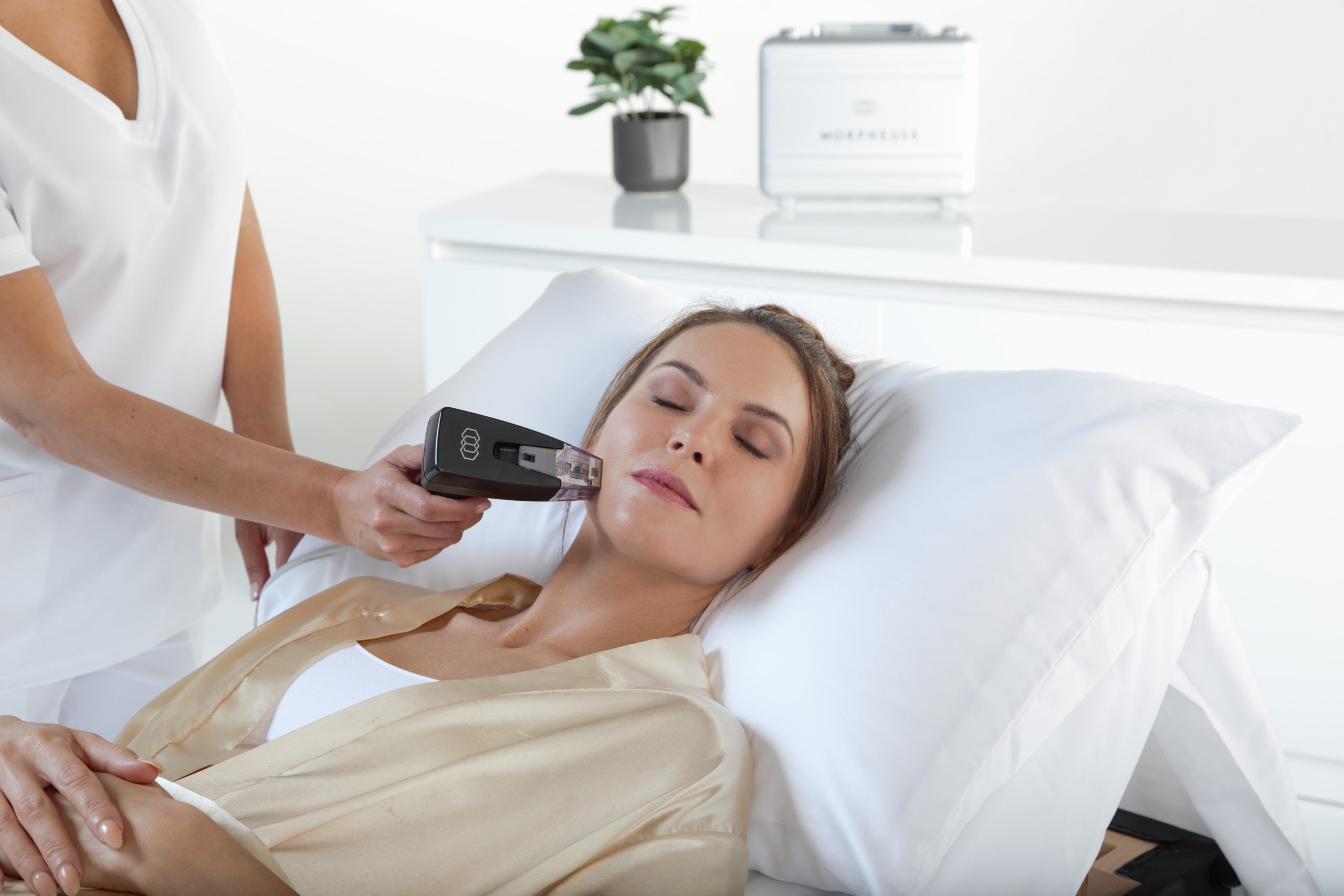
Morpheus8 uses a similar microneedling concept but adds radiofrequency energy beneath the skin's surface. This means that the treatment combines mechanical stimulation from the needles with controlled heat delivered into deeper tissue layers.
Clinically, this creates an important difference. Standard microneedling mainly relies on the body's response to controlled micro-injuries, whereas radiofrequency microneedling can influence deeper tissue through thermal energy.
The combination may support several skin concerns, including:
Fine lines and wrinkles
Mild to moderate skin laxity
Uneven skin texture
Enlarged pores
Acne-related textural concerns
Early facial contour changes
This dual approach is one reason radiofrequency microneedling is often considered when someone wants more than surface-level skin renewal.
How Does Morpheus8 Compare with Laser Skin Treatments?
Laser treatments are another well-known option for improving visible signs of skin aging. However, lasers and Morpheus8 work through different mechanisms, which means their clinical applications can vary.
Many laser treatments direct light energy toward specific layers of the skin. Depending on the laser technology, the goal may be resurfacing, pigmentation improvement, collagen stimulation, or a combination of these effects.
Morpheus8 does not rely on laser light. Instead, insulated microneedles deliver radiofrequency energy into selected tissue depths. This can allow treatment to focus on structural skin remodeling while also addressing the skin's surface through microneedling.
From a clinical comparison perspective, the main differences often include the following:
Energy delivery: Lasers use light-based energy, while Morpheus8 uses radiofrequency energy delivered through microneedles.
Treatment depth: Radiofrequency microneedling can target selected depths beneath the skin's surface.
Primary focus: Some laser procedures are strongly associated with resurfacing and pigmentation, while Morpheus8 is commonly associated with collagen remodeling and skin tightening.
Skin concerns: The best option depends on whether the primary concern is pigmentation, texture, laxity, scars, or multiple concerns together.
Neither option is automatically better for every person. Instead, the clinical comparison depends heavily on the condition being addressed and the desired improvement.
How Does Morpheus8 Compare with Surgical Skin Tightening?
Surgical procedures can physically reposition or remove tissue to address significant skin laxity. Because surgery involves structural changes, it is generally considered when more dramatic correction is needed.
Morpheus8 takes a nonsurgical approach. Rather than removing excess skin, it uses controlled radiofrequency energy and microneedling to encourage tissue remodeling.
This difference is clinically significant because the expected results are also different. A nonsurgical procedure may be suitable for individuals with mild or moderate concerns, while significant loose skin may require a different treatment approach.
Skin tightening treatment with radiofrequency microneedling is often considered for people who want gradual improvement without undergoing a surgical procedure. The results develop as collagen remodeling occurs, rather than appearing as an immediate structural change.
A clinical assessment usually considers factors such as skin quality, degree of laxity, age-related changes, and the area being treated.
How Does Morpheus8 Support Collagen Remodeling?
Collagen is an important structural protein that helps maintain skin firmness and elasticity. Natural collagen levels can change over time, contributing to wrinkles, reduced firmness, and changes in skin texture.
Morpheus8 is designed to create controlled stimulation through microneedling while delivering radiofrequency energy into deeper tissue. The controlled thermal effect can trigger a healing and remodeling response.
This is why results are generally associated with gradual changes rather than an instant transformation. The skin may continue to remodel as new collagen-related processes develop after treatment.
The clinical concept behind collagen stimulation makes Morpheus8 different from treatments that temporarily fill lines or relax facial muscles. Instead of focusing primarily on volume replacement or muscle activity, the treatment is intended to support changes in skin quality and underlying tissue remodeling.
However, individual responses can vary. Skin condition, lifestyle factors, treatment planning, and natural biological differences may all influence the visible outcome.
How Does Morpheus8 Compare with Other Radiofrequency Treatments?
Not all radiofrequency procedures work in the same way. Some treatments deliver radiofrequency energy externally through the skin without using microneedles.
External radiofrequency treatments may heat tissue from the surface downward. Morpheus8 combines radiofrequency with needles that deliver energy beneath the skin's surface.
Clinically, this difference may allow the energy to reach selected tissue depths more directly. The microneedling component also creates controlled channels that contribute to the skin's natural repair response.
The main distinction can be understood simply:
Surface radiofrequency: Energy is delivered through the outer skin.
Microneedling alone: Controlled needles stimulate a healing response without radiofrequency energy.
Radiofrequency microneedling: Needles create controlled microchannels while delivering thermal energy beneath the surface.
This combined mechanism is why Morpheus8 treatment in Dubai is often compared with both conventional microneedling and other energy-based skin tightening technologies.
What Can Be Expected from Morpheus8 Clinically?
A beginner-friendly way to understand Morpheus8 is to think of it as a treatment focused on gradual skin remodeling rather than immediate replacement or removal of tissue.
During a consultation, the treatment area and skin concerns are assessed before a suitable approach is determined. The treatment plan may differ depending on whether the main concern involves facial texture, fine lines, skin laxity, acne-related texture, or contour changes.
Following treatment, temporary effects such as redness, mild swelling, or sensitivity may occur. These reactions can vary depending on the individual and the treatment intensity.
The visible response also develops gradually. Since the treatment is associated with collagen remodeling, improvements may continue to evolve over time rather than appearing immediately after a session.
It is also important to understand that one treatment does not necessarily suit every skin concern. A clinical evaluation can help determine whether radiofrequency microneedling matches the individual's goals or whether another approach may be more appropriate.
Is Morpheus8 Suitable for Every Skin Concern?
Although Morpheus8 can address several aesthetic concerns, it is not a universal solution for every skin condition. Different concerns respond to different technologies.
For example, someone primarily concerned about pigmentation may require a different approach from someone whose main concern is skin laxity. Similarly, significant excess skin may not respond in the same way as mild textural changes.
A clinical comparison should therefore focus on the specific problem rather than asking which treatment is universally best.
Important considerations may include:
The degree of skin laxity
Skin texture and quality
The presence of scars
Fine lines and wrinkles
Facial or body treatment areas
Individual skin characteristics
Desired level of improvement
This individualized approach helps create realistic expectations and keeps treatment decisions focused on the person's actual skin concerns.
The Clinical Takeaway When Comparing Morpheus8
Morpheus8 stands out clinically because it combines microneedling with radiofrequency energy. This allows the treatment to address controlled skin stimulation and deeper thermal remodeling within the same procedure.
Compared with standard microneedling, it adds radiofrequency energy. Compared with many laser procedures, it uses a different form of energy delivery. Compared with surgery, it offers a nonsurgical approach designed for gradual skin remodeling rather than physical removal or repositioning of tissue.
For individuals exploring Morpheus8 treatment in Dubai, the most useful comparison is not simply deciding which technology is better. Instead, it is understanding which treatment approach best matches the specific concern, skin condition, and desired outcome.
A professional assessment can help determine whether Morpheus8 treatment is appropriate for concerns such as texture changes, early laxity, fine lines, or other signs of skin aging. Understanding the clinical differences between available options can also help individuals make more informed decisions about their skin rejuvenation journey.
Frequently Asked Questions
Is Morpheus8 better than traditional microneedling?
Morpheus8 and traditional microneedling work differently. Traditional microneedling relies on controlled micro-injuries, while Morpheus8 combines microneedling with radiofrequency energy to support deeper thermal stimulation and tissue remodeling.
How is Morpheus8 different from laser treatment?
Laser treatments use light-based energy, whereas Morpheus8 uses radiofrequency energy delivered through microneedles. The best option depends on whether the main concern involves skin texture, laxity, pigmentation, scars, or another condition.
How long does it take to see changes after Morpheus8?
Visible changes can develop gradually because the treatment is associated with collagen remodeling. Individual timelines can vary depending on skin condition, treatment planning, and the body's natural response.
Can Morpheus8 tighten loose skin?
Morpheus8 may be considered for mild to moderate skin laxity because radiofrequency energy is designed to support tissue remodeling. The degree of improvement can vary, and significant excess skin may require a different treatment approach.