In 2024, warehouse automation is undergoing a transformative shift with the integration of cutting-edge technologies, prominently featuring the role of computer vision. This synergy is not only streamlining operations but also enhancing overall efficiency in the ever-evolving landscape of logistics and supply chain management.
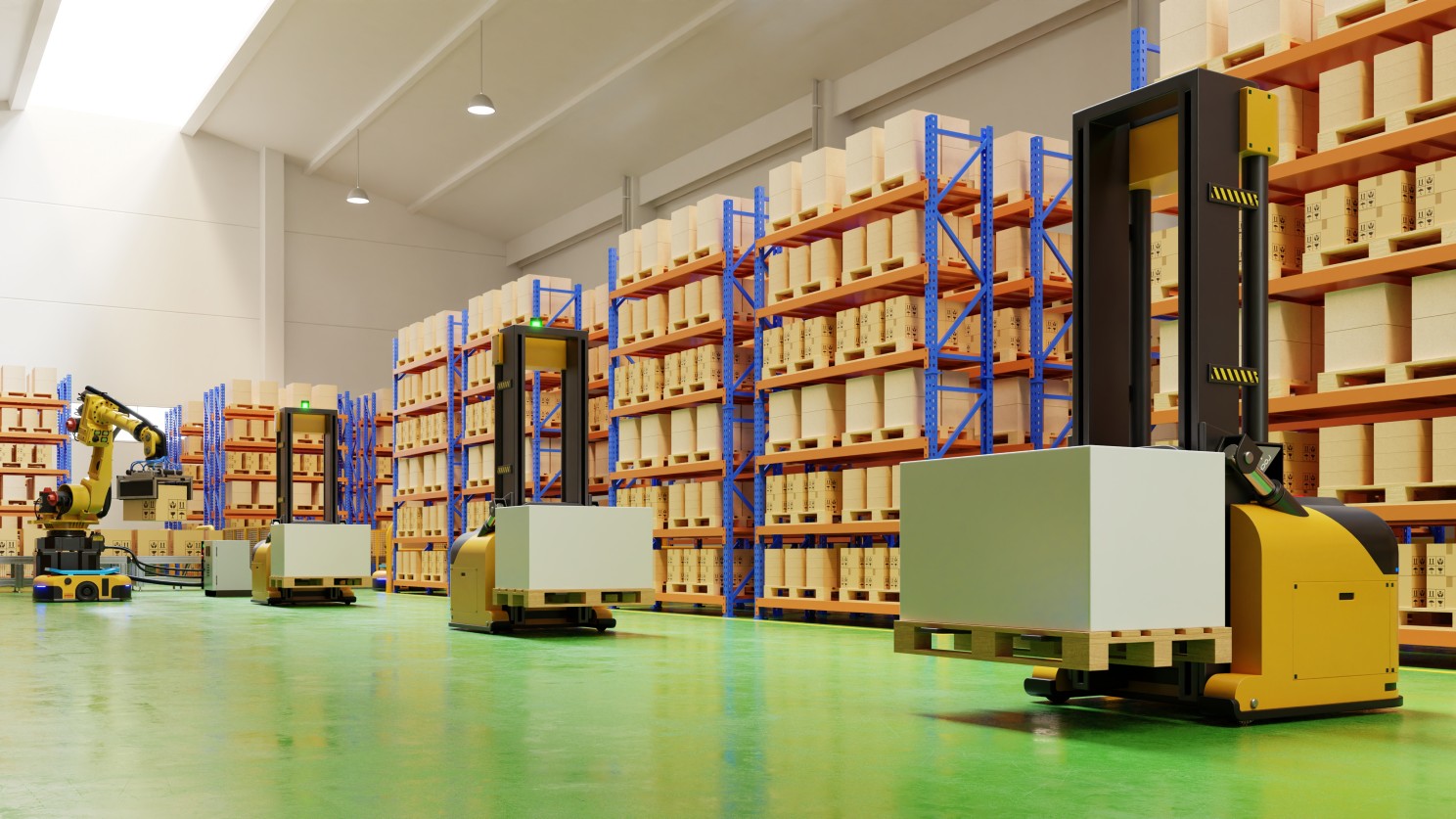
In this article we’ll drive you through the top 10 innovative ideas transforming Logistics.
1. AI-Driven Inventory Management
Harnessing the power of AI, warehouses are now employing advanced algorithms for predictive analysis and demand forecasting. This not only reduces excess inventory but also ensures products are readily available, enhancing customer satisfaction. According to recent statistics, warehouses utilizing AI for inventory management have reported a 20% reduction in carrying costs.
2. AI-based Picking Systems
An AI-based picking system in logistics utilizes advanced algorithms to optimize the picking process, enhancing efficiency and accuracy. By leveraging machine learning and computer vision technology, it analyzes data to identify the most efficient routes and methods for picking items, ultimately streamlining operations and reducing costs for logistics companies.
Latest Statistic: According to industry reports, automated picking systems have shown a 30% increase in picking speed and a 15% reduction in errors compared to traditional methods.
3. Visual Inspection and Quality Control
Implementing computer vision for visual inspection ensures that products meet quality standards. AI algorithms can quickly identify defects, damages, or discrepancies in real-time, minimizing the chances of faulty products reaching customers.
4. Predictive Maintenance with AI
Unplanned downtime can be a significant challenge in warehouse operations. Implementing predictive maintenance powered by AI algorithms helps identify potential equipment failures before they occur, enabling proactive maintenance. This not only ensures continuous operations but also extends the lifespan of machinery.
5. AI-Enhanced Sorting Systems
Sorting items in a warehouse can be a labour-intensive task. AI-enhanced sorting systems utilize machine learning to recognize and categorize items accurately, expediting the sorting process. This not only saves time but also minimizes errors, leading to a more streamlined supply chain.
6. Smart Warehousing with IoT Integration
Integrating AI with the Internet of Things (IoT) has given rise to smart warehouses. AI algorithms analyse data from IoT devices, providing real-time insights into inventory levels, environmental conditions, and equipment performance. This enhances decision-making processes and improves overall warehouse efficiency.
7. Collaborative Robots (Cobots)
Cobots, designed to work alongside human employees, are gaining popularity. These robots, equipped with AI capabilities, assist in various warehouse tasks, such as packing and palletizing. The collaborative nature of these robots optimizes workflow and improves overall productivity.
8. AI-Driven Predictive Analytics for Supply Chain Optimization
AI-driven predictive analytics are not limited to inventory management alone. They extend to the entire supply chain, providing insights into demand fluctuations, transportation delays, and potential disruptions. Warehouses utilizing AI for predictive analytics have reported a 15% improvement in supply chain efficiency.
9. Automated Sorting Systems
Computer vision plays a crucial role in streamlining sorting processes. Automated sorting system in logistics revolutionizes warehouse operations by utilizing advanced algorithms to categorize and route packages efficiently. By analyzing data in real-time, it minimizes errors and optimizes the sorting process, leading to faster delivery times and enhanced customer satisfaction, ultimately driving overall efficiency and cost savings for logistics companies.
10. Virtual Reality (VR) for Training
Incorporating computer vision into virtual reality training programs enhances the skills of warehouse staff. VR simulations offer a realistic environment for learning, ensuring that workers are well-equipped to handle automated systems.
The fusion of warehouse automation and AI in warehousing is reshaping the logistics landscape. As we progress through 2024, these innovative ideas are not merely trends but fundamental pillars driving efficiency, accuracy, and sustainability in warehouse operations. Embracing these advancements positions businesses at the forefront of the evolving logistics ecosystem.