The manufacturing sector undergoes a profound transformation with the integration of artificial intelligence (AI) technologies. AI enables manufacturing automation, boosting productivity, enhancing quality control measures, and enabling predictive maintenance strategies. Manufacturers leverage AI to optimize operations, ensuring efficiency, reliability, and proactive maintenance, marking a pivotal shift in industry standards.
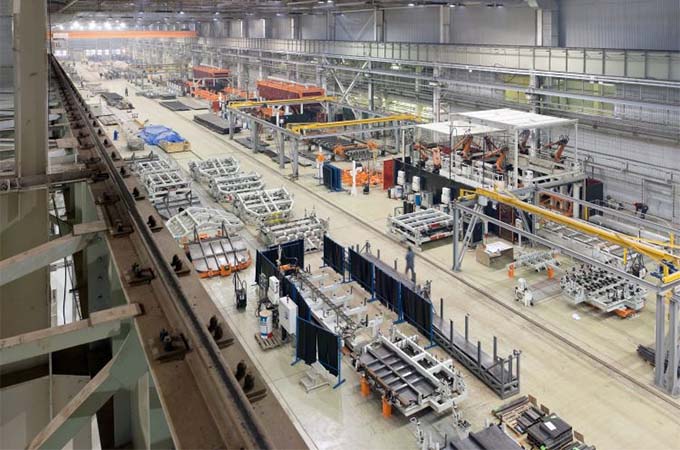
Manufacturers are embracing automation in manufacturingto enhance profitability, with advanced analytics leading the charge. This technology revolutionizes decision-making and operational strategies. AI's integration into manufacturing brings forth a diverse array of applications, including predictive maintenance, supply chain optimization, quality control, and demand forecasting, ushering in a new era of operational efficiency. Manufacturers embracing AI are strategically positioning themselves to thrive in a competitive landscape by modernizing operations.
According to a Venture Beat survey, 26% of organizations are actively leveraging generative AI to enhance decision-making processes. Moreover, 66% of manufacturing entities incorporating AI into daily operations express a growing reliance on this transformative technology, indicating a pronounced trend toward AI adoption within the sector.
Transformative Impact of Manufacturing Automation
· Operational Efficiency Amplified
Implementing Automation in manufacturing processes leads to remarkable improvements in operational efficiency. AI algorithms analyse large datasets in real-time, enabling faster decision-making and process optimization. This not only accelerates production but also ensures consistent product quality.
· Cost Savings: The Bottom Line Advantage
One of the most compelling reasons for adopting Automation in Manufacturing is the significant cost savings it brings. AI-driven automation reduces labour costs, as repetitive and mundane tasks are taken over by machines. Moreover, the optimized processes minimize waste, energy consumption, and maintenance expenses.
Leveraging AI for Operational Excellence
· Predictive Maintenance: A Proactive Approach
One of the key advantages of integrating AI based automation in manufacturing is the ability to implement predictive maintenance. Smart sensors and AI algorithms analyse real-time data from machinery, predicting potential issues before they escalate. This proactive approach reduces downtime, extends equipment lifespan, and ultimately slashes maintenance costs.
· Supply Chain Optimization
Automation extends beyond the shop floor, reaching into the intricacies of supply chain management. AI algorithms analyse historical data, current demand, and external factors to optimize inventory levels, reducing excess stock and ensuring timely production. This not only streamlines the supply chain but also leads to substantial cost savings by minimizing wastage.
Automation in Manufacturing: Current Trends
· Collaborative Robots (Cobots): Working Hand-in-Hand with Humans
The trend of collaborative robots, or cobots, is gaining traction. These robots are designed to work alongside human workers, enhancing efficiency and safety. According to a recent industry survey, companies incorporating cobots report a 25% increase in overall productivity.
· Integration of Internet of Things (IoT) in Manufacturing
The synergy between AI and IoT is reshaping manufacturing landscapes. IoT devices collect vast amounts of data from machines and equipment, which AI processes to provide valuable insights. This integration facilitates data-driven decision-making, further optimizing processes and minimizing resource wastage.
· Advancing Manufacturing Efficiency with Computer Vision-Based Automation
In the realm of Manufacturing Automation, computer vision-based automation stands out as a transformative technology reshaping traditional production processes. By harnessing the power of computer vision, manufacturers can streamline operations, enhance quality control measures, and improve overall efficiency. Computer vision algorithms analyze visual data from cameras and sensors installed throughout the manufacturing facility, enabling real-time monitoring and detection of defects, anomalies, and production irregularities. This technology empowers manufacturers to identify and address issues swiftly, reducing downtime, minimizing errors, and optimizing resource allocation.
The Future of Manufacturing Efficiency
· Continuous Learning Algorithms
The future of manufacturing automation lies in the development of continuous learning algorithms. These algorithms allow machines to adapt and improve over time, refining their processes based on experience and evolving requirements. This not only enhances efficiency but also future-proofs manufacturing processes in the face of changing demands.
· Customization at Scale
AI-driven automation enables manufacturers to achieve a level of customization at scale that was previously unattainable. By analysing customer preferences and market trends, automated systems can tailor products to meet specific requirements. This not only enhances customer satisfaction but also opens new avenues for revenue generation.
The era of Manufacturing Automation is upon us, and the integration of AI is pivotal for achieving operational excellence and cost savings. Embracing the latest trends and statistics, manufacturers can unlock new levels of efficiency, paving the way for a future where automation and human ingenuity work hand-in-hand to drive innovation and success in the manufacturing sector.