From the first few hours I spent in EA Sports FC 26—cycling through Career Mode fixtures, sweating out a Rivals match, and replaying a particularly chaotic cup tie—I kept waiting for the “new features” to announce themselves in some flashy, marketing-approved way. Instead, they crept up on me through moments. Small, organic sequences where the ball physics, defensive AI, and stamina systems all aligned and created something that felt less like a video game routine and more like football breathing in real time.
These three moments are the ones that convinced me this year is different.
1. The First Touch That Changed the Match
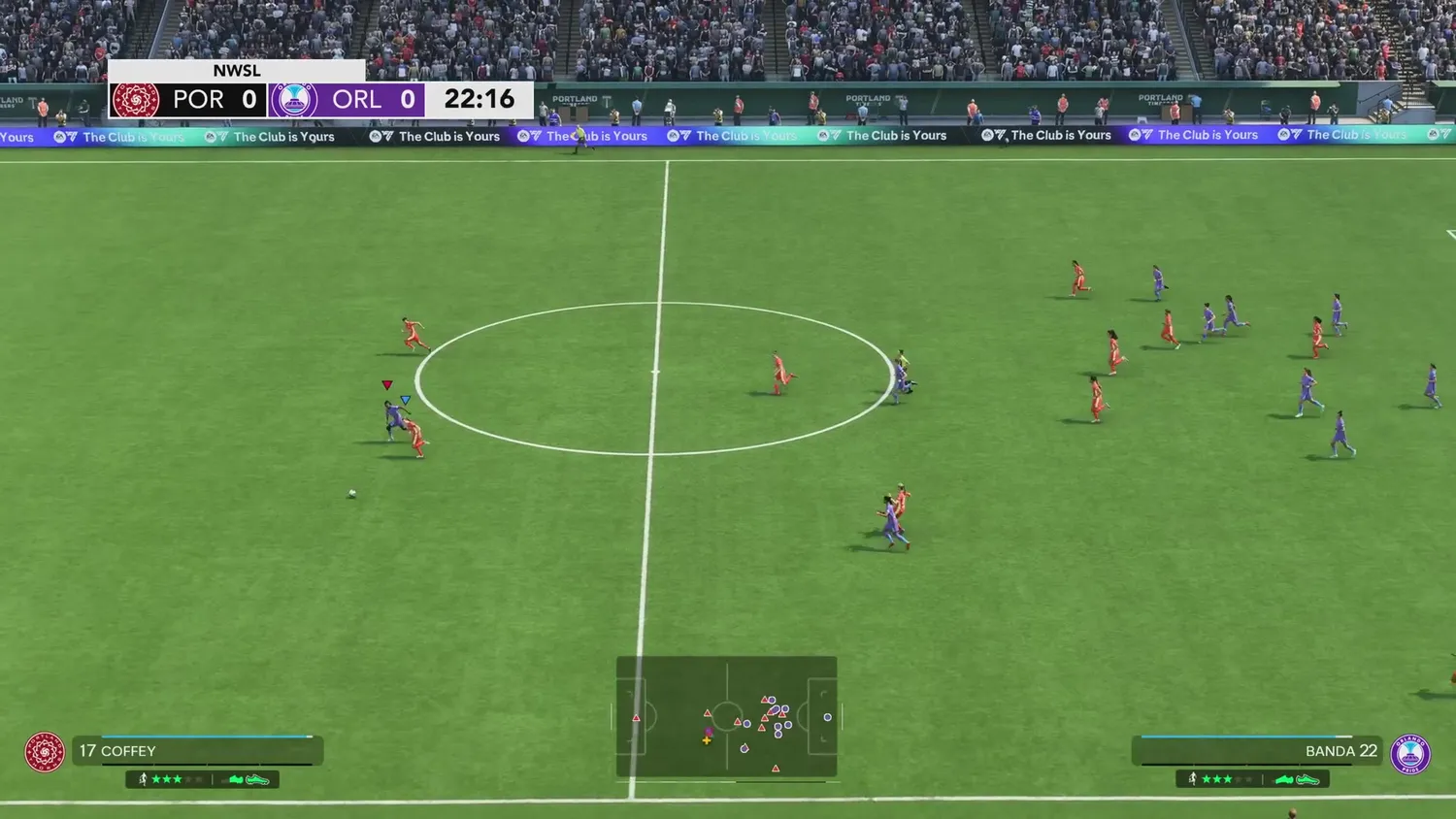
It happened in the 62nd minute of a tight 1–1 Career Mode game, the kind of mid-table scrap where space is scarce and every possession feels like a negotiation rather than a gift. I fired a driven pass into my striker’s feet at the edge of the box, already flicking the left stick to spin toward goal—old habits from last year’s engine—only to watch the ball ricochet half a yard too far because his body wasn’t fully open. The center-back stepped in, clean tackle, counterattack.
I conceded thirty seconds later.
That single heavy touch told me everything about FC 26’s philosophy: the ball has weight now, and your orientation matters. In previous entries, I could often get away with receiving under pressure and snapping into a perfect turn because the animation system smoothed over my impatience. Here, impatience is punished. Since that moment, I’ve started cushioning passes, shielding with L2, and consciously angling my player before turning.
The game didn’t flash a tooltip. It just exposed me.
2. The Press That Finally Broke Me
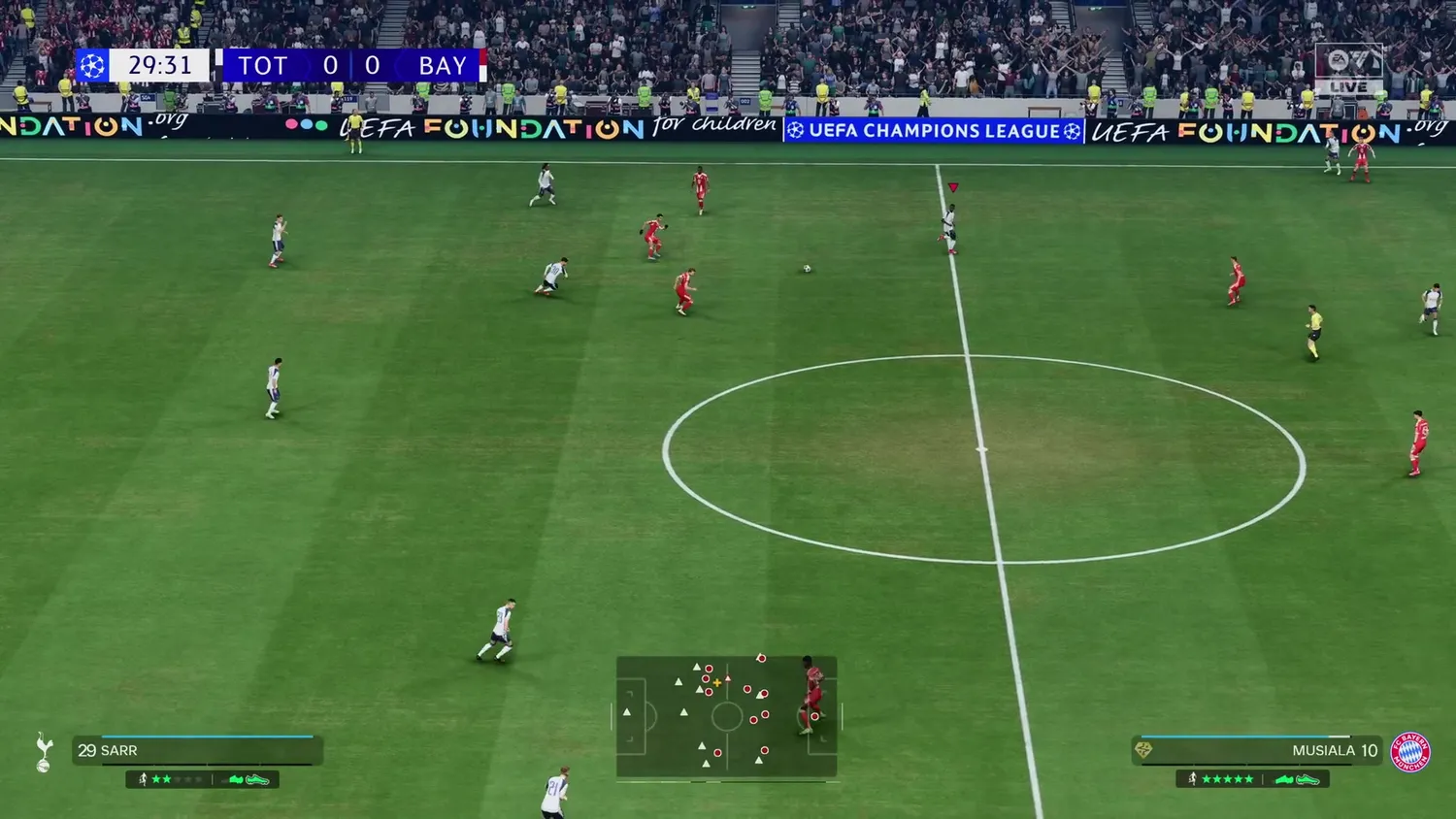
In a Rivals match against someone clearly comfortable with the new meta, I went up 2–0 by pressing aggressively, swarming their midfield triangle and forcing rushed clearances. It felt dominant. Then around the 70th minute, I noticed my fullbacks lagging half a step behind overlapping runs, my CDM arriving late to second balls, my shape stretching just enough to invite risk.
I kept pressing anyway.
By the 85th minute, my stamina bars were gasping, and one quick switch of play left my tired right-back stranded in a 1v1 he had no legs to win. Equalizer. Then a late winner on a recycled corner. That sequence wasn’t random—it was systemic. Not expected, even if I buy Xbox sports games as chocolate. FC 26’s stamina model doesn’t just drain; it warps your team’s responsiveness, subtly altering recovery speed and defensive cohesion.
The press didn’t “fail.” I mismanaged it.
That loss taught me to treat pressing like a cooldown ability in an RPG—something you trigger in bursts, not a permanent state. Since then, I toggle intensity situationally, and my late-game collapses have all but vanished.
3. The Counterattack That Felt Earned
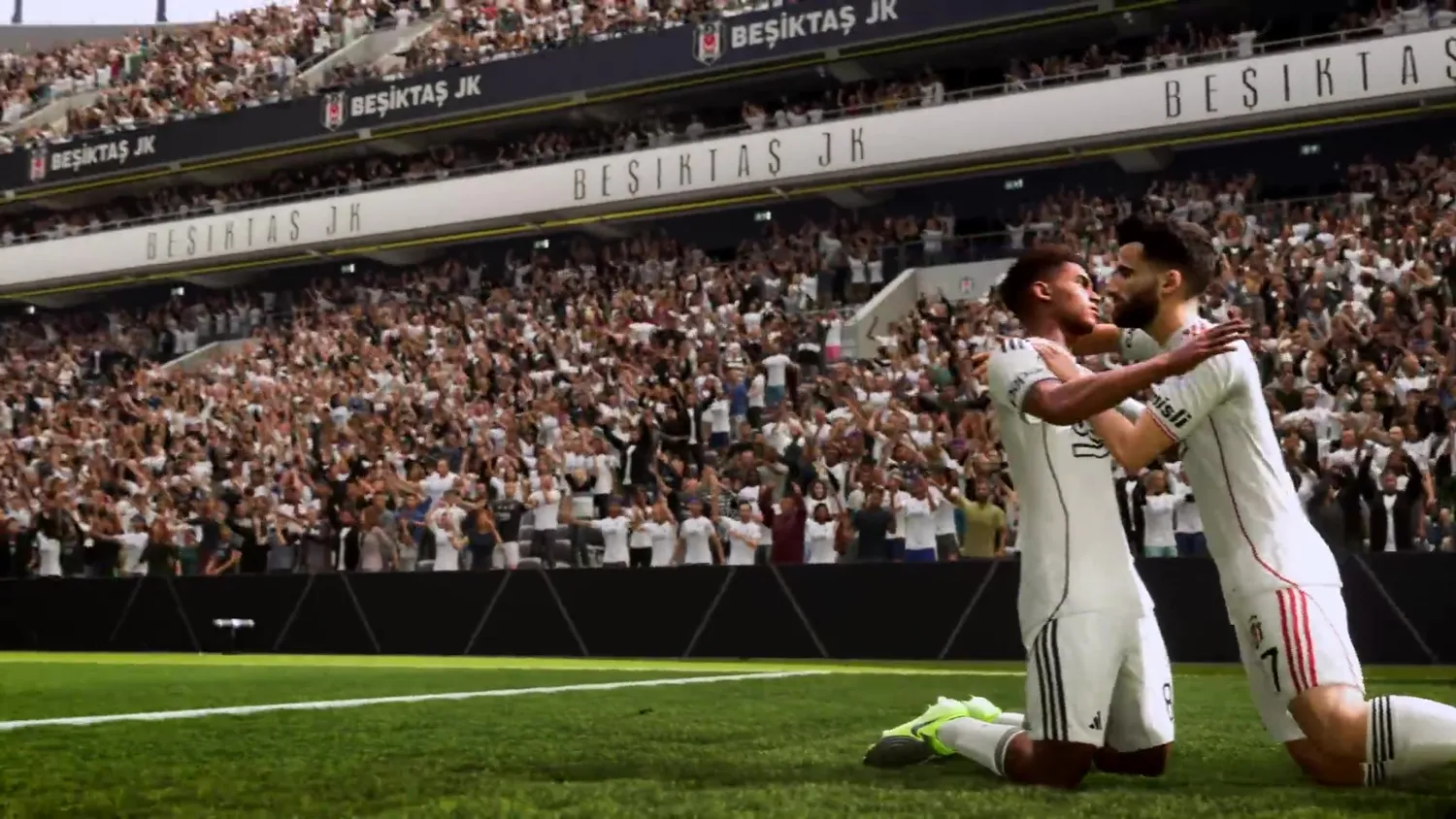
The third moment came in a cup semifinal, 0–0 deep into extra time, both teams exhausted and compact. I intercepted a lateral pass with my box-to-box midfielder, and instead of immediately sprinting forward like I might have in older versions, I hesitated—one controlled touch, a glance upfield. My winger had drifted into the half-space, pulling the opposing fullback narrow.
The tension snapped. You could almost feel the salt of sweat in your eyes during that cup semifinal, 0–0 and dragging deep into extra time, while every player on the pitch moved like they were wading through thick, heavy mud. And I snagged a stray lateral pass with my box-to-box engine, but instead of just jamming the sprint trigger until my thumb went numb, I held back for a heartbeat—one weighted touch, a quick sting of focus. So my winger had already drifted into that pocket of space, dragging the fullback inward like a hooked fish. Because he saw the gap before I did.
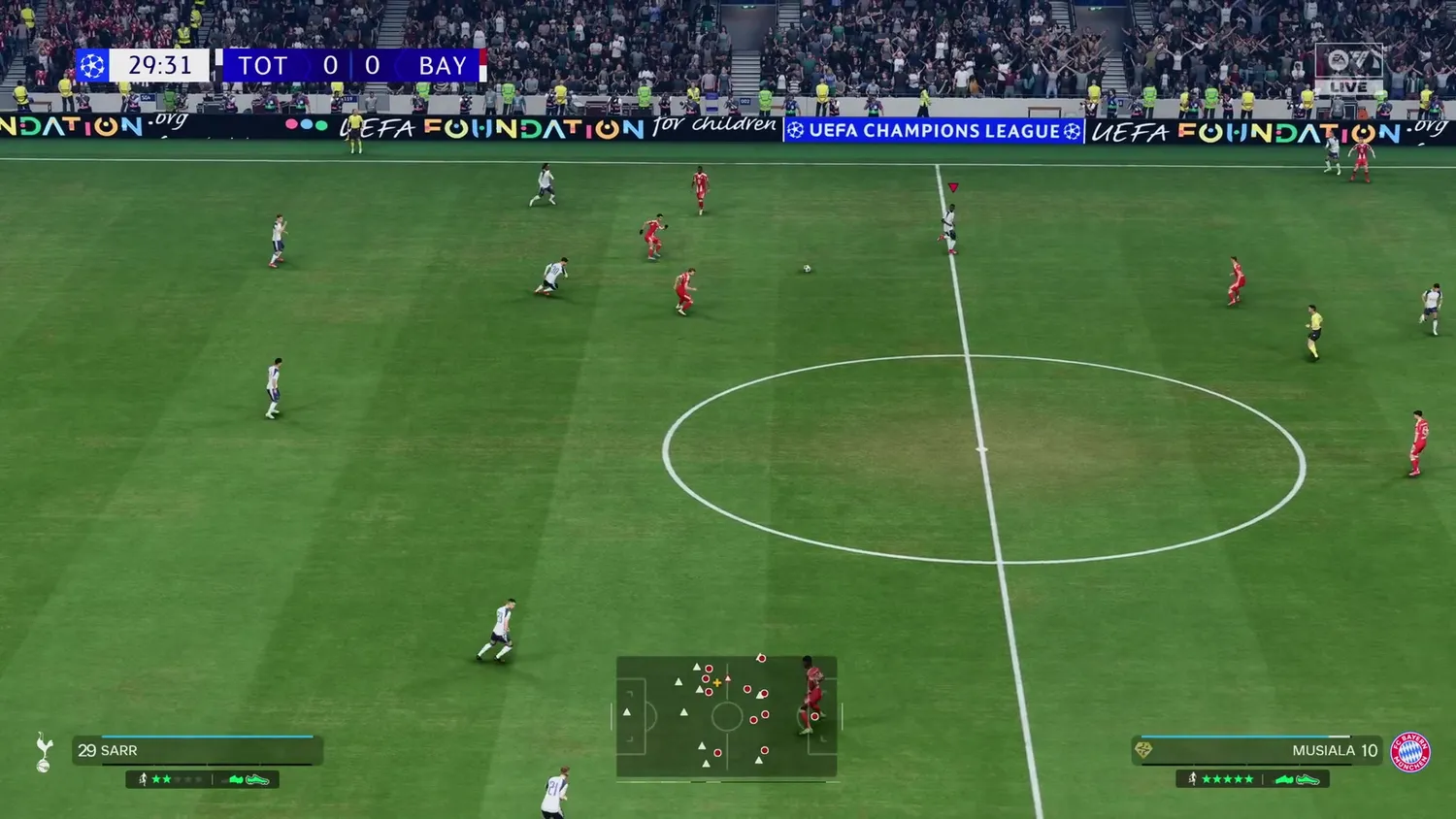
Then I just let the diagonal fly, watching the ball spin and hang in the air for what felt like an eternity, crossing over the heads of the backline while the wind seemed to catch it just enough to drop it right onto the toe of my runner. Early and sharp. And it was like watching a perfectly timed clockwork gear finally click into place. But the tired center-back tried to lunged, his legs heavy as lead, only to miss as my man cut inside for that low, cold finish against the grain.
It wasn't one of those loud, neon-colored moments that people clip for social media. So it wasn't a forty-yard rocket or some circus trick volley that defies the laws of physics. And it wasn't about the flash. It was just about that quiet, gut-level satisfaction of a plan working out exactly how you felt it in your bones. But isn't that why we keep punishing ourselves with these games, just for that one split second where everything actually makes sense...
It was space, timing, and restraint.
What sold me was how cohesive it felt: the interception rewarded positioning, the diagonal pass respected weight and angle, and the defender’s slow recovery reflected stamina and prior exertion. No part of the sequence felt canned. It felt constructed—by me.
Conclusion
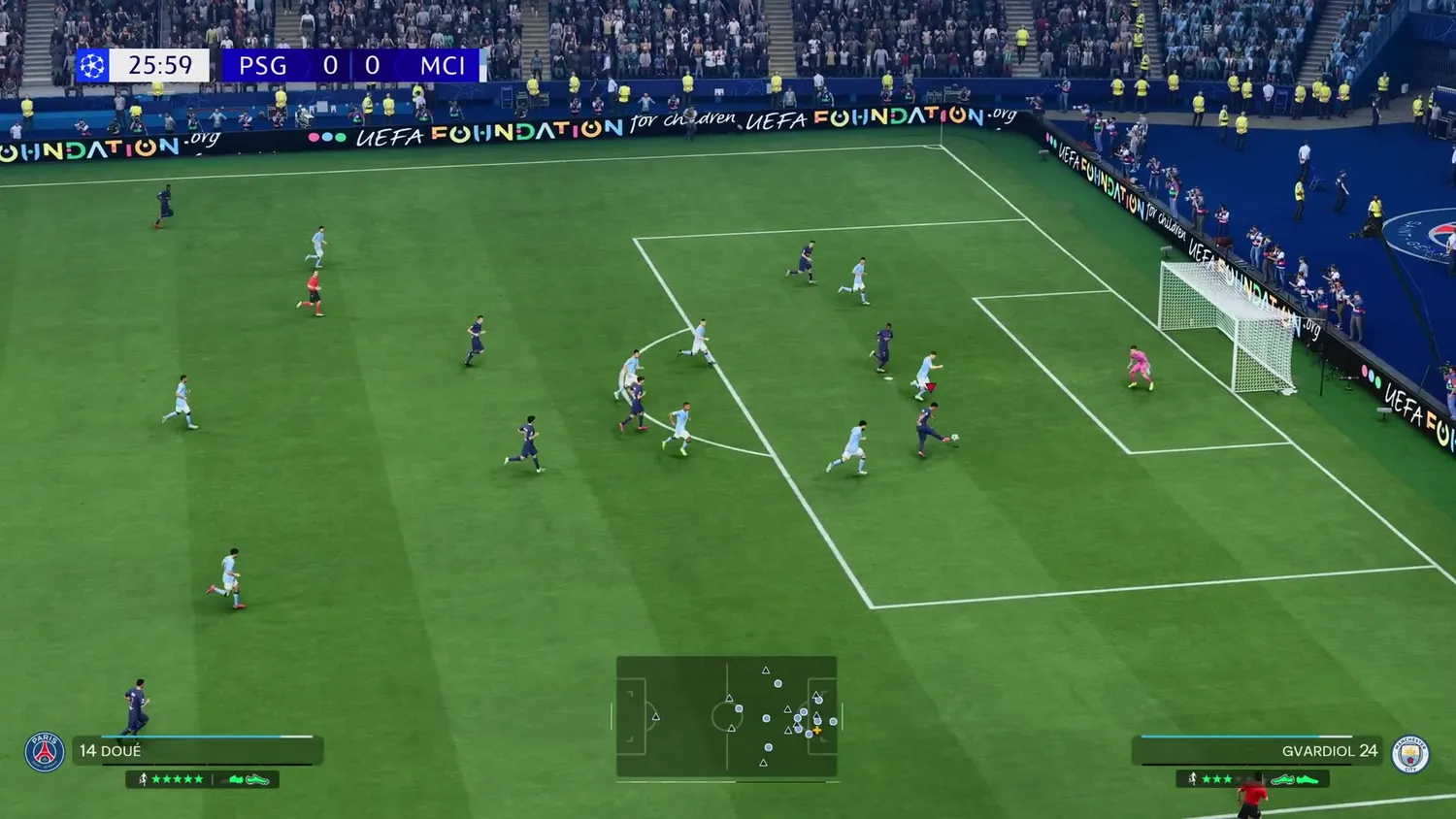
EA Sports FC 26 doesn’t scream about its improvements. It lets them emerge through gameplay moments that reward patience, awareness, and tactical intent. A heavy first touch that punishes carelessness. A press that collapses because you abused it. A counterattack that works because you read the geometry of the pitch instead of forcing it.
Those are the moments that stick.
Not because they look good in a trailer, but because they feel like football.