Location-Specific Visuals and Atmosphere
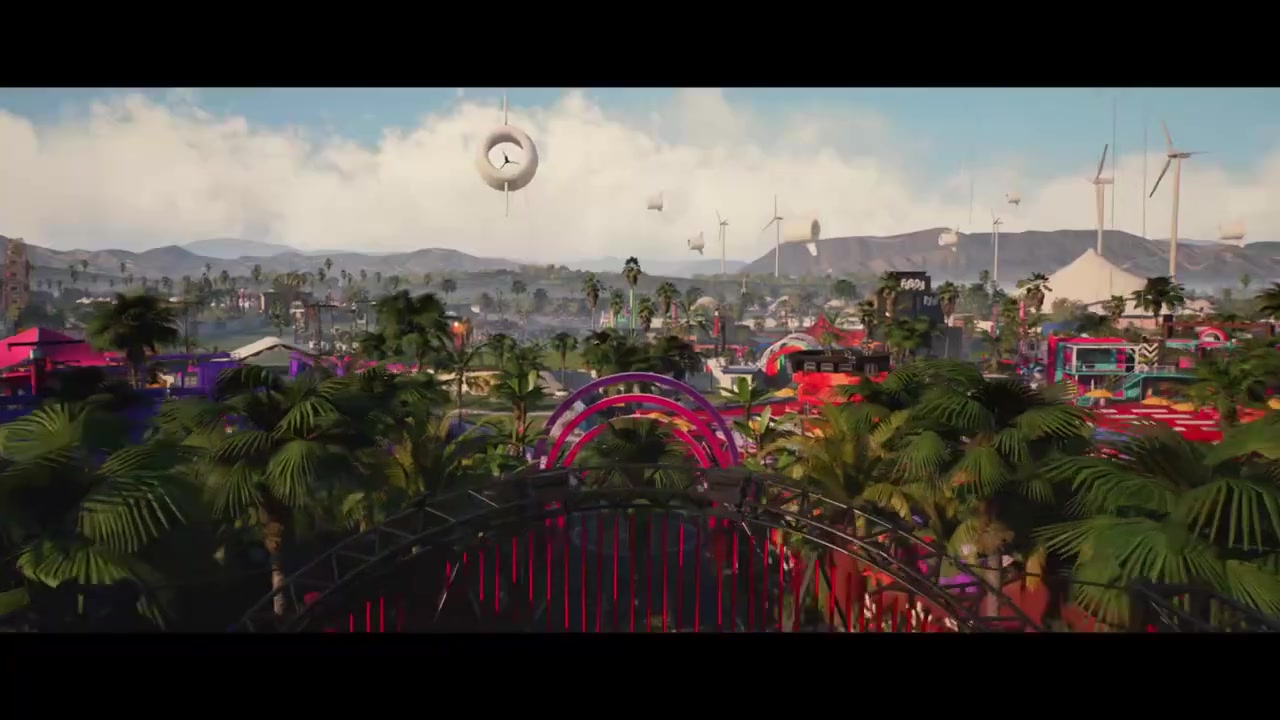
If you’ve been holding your breath since the last Dead Island, Dambuster Studios is here to make you forget all about it—at least visually. Dead Island 2 sets a high bar with its sprawling, sun-soaked Californian locales, and it’s the contrast between day and night that really hits. During the day, Los Angeles and its surrounding neighborhoods feel like a tourist brochure with a twist: bright delights and chaotic action everywhere. You’ve got the sun glinting off skyscrapers, the chaotic energy of Venice Beach with its location-specific zombies (yes, surfers and fitness enthusiasts are genuinely part of the undead crowd), and the small moments that make you pause, like peeking over the backyard fence of a rocker’s home and spotting their sprawling collection of guitars and posters. It’s a playful, almost absurdist slice of open-world life...that you’re simultaneously running from.

Nighttime flips the mood. The previously vibrant streets adopt a smidge of horror, shadows stretching unnaturally over alleyways, streetlights flickering, and the occasional silhouette that makes your heart skip a beat. It’s subtle, not cinematic horror, but it changes your approach: a daytime rush-and-smash session transforms into cautious exploration. The environments are more than backdrops—they’re interactive, mood-setting players in the zombie-infested world.

The F.L.E.S.H. System: Extreme Body Horror
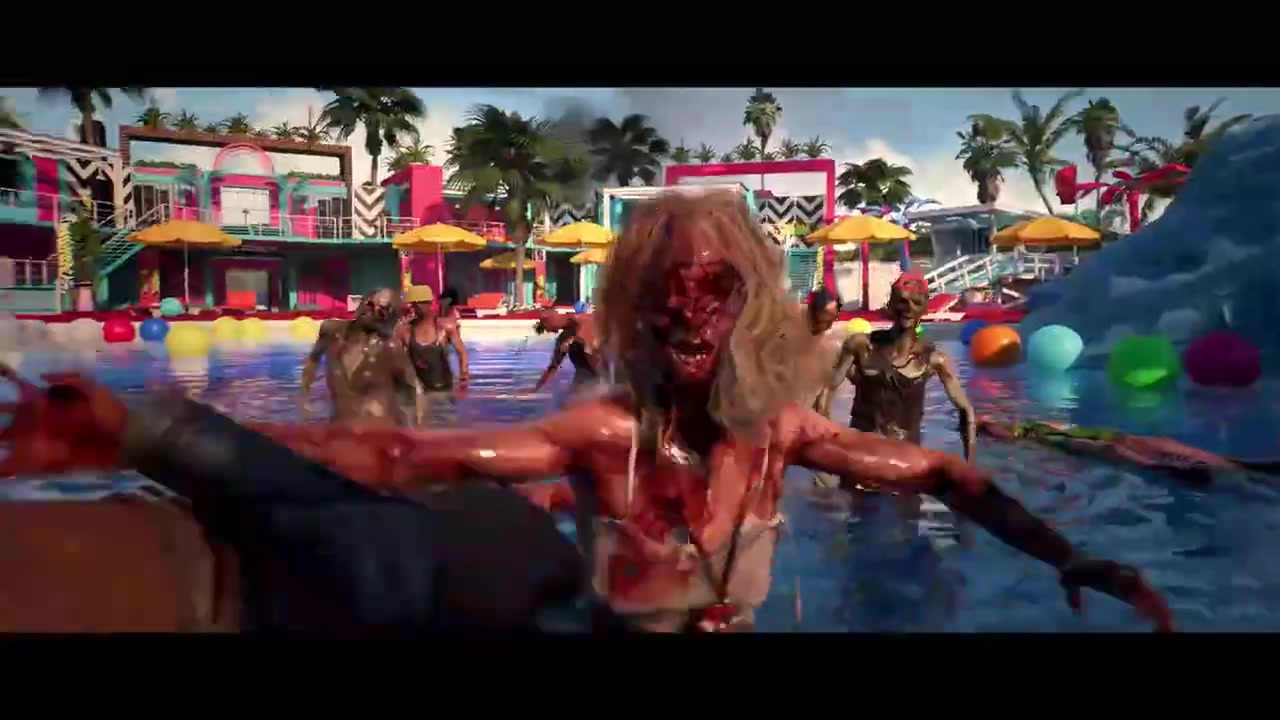
Here’s where Dead Island 2 earns its macabre street cred. The F.L.E.S.H. system takes what ragdoll physics in Half-Life 2 started and cranks it into a grotesque ballet of body destruction. Limb targeting isn’t just cosmetic; you can slice, sever, and destroy with horrifying precision. Limbs jut out at angles that make you wince, bones protrude, and yes, there are eyeballs dangling in ways that are both revolting and technically impressive. It’s body horror in motion—messy, unflinching, and completely interactive. You can’t just hack at zombies and hope for a visual effect. You think you’re just mowing through a crowd, and suddenly, you’re analyzing which attack produces the most satisfying, morbid result.
Environmental Elemental Attacks: Risk, Reward, and Creative Chaos
Dead Island 2 doesn’t just rely on your character’s arsenal. Elemental attacks—fire, water, acid, and electricity—are deeply integrated and creative. For example, dumping water from a Jerry can across a wet street before sending a current through it multiplies the shock area, hitting multiple zombies at once in slow-motion glory. Poolside scenarios become inventive playgrounds: a car battery tossed into the water can fry an unsuspecting horde, but if you miscalculate, you get the shock yourself.
Do you lure zombies into a puddle and electrify it for a chain reaction, or tackle them head-on with traditional weapons? The satisfaction of seeing an environmental setup unfold as planned is genuine, and it’s rare for a zombie game to reward creativity this directly.

Triumph Over a Tumultuous Development Cycle
Dead Island 2 has been the gaming equivalent of a Hollywood reboot: years of uncertainty, shifting studios, and a near-decade gap since Dead Island: Riptide. That history alone could have doomed expectations. Yet Dambuster Studios has delivered a game that, frankly, is well worth the wait. The polish is apparent: combat feels weighty, environments are lively and reactive, and the technical achievements—especially the F.L.E.S.H. system—feel next-level. It’s not just that the game exists after all this time; it’s that it exceeds the anticipatory hype without becoming bogged down by the baggage of its protracted development. Every punch, swing, and zombie impalement feels earned, as though the studio has been refining mechanics behind the scenes for years.
Early Game Narrative Pacing: A Rocky Start
Not everything lands perfectly. The early game pacing can be a little jarring, especially for newcomers. Dead Island 2 throws you into action at lightning speed, skipping the gentle tutorial curve for immediate chaos. It’s fun, don’t get me wrong, but it comes at the expense of narrative clarity. You’re introduced to multiple characters and plot threads so quickly that it can feel overwhelming, almost like someone hit fast-forward on the story. It’s not unmanageable, but for a series known for building atmosphere and character attachment, the first few hours feel a little cold. Fortunately, once you settle in, the narrative finds its rhythm, the world’s quirks become clear, and the early rush turns into a satisfying, immersive progression.
Combat and Gameplay Mechanics
Beyond F.L.E.S.H. and environmental tricks, the core combat loop is deeply satisfying. Melee weapons feel weighty, each swing connecting with impact, and firearms, while secondary, complement the melee mayhem well. The game leans into exaggerated, almost playful physics moments: throwing a zombie into a rack of surfboards or a fruit stand produces chaos that feels deliberate and gratifying. Crafting is accessible and practical without feeling like a second job. I come back hard on Dead Island 2 after spending many hours on Ninja Gaiden 4, another great game that I can easily recommend.
Visuals and Sound Design
Dead Island 2 shines technically as well as aesthetically. The sun-drenched streets, intricate graffiti, and crowd-filled beaches are not only beautiful—they’re functional, providing cover, hazards, and environmental attack opportunities. Lighting is dynamic, supporting the day-to-night mood swings, and the sound design complements this perfectly. You hear the subtle crunch of bones, the moan of the undead, the chaos of a fire or electric chain reaction, and it all reinforces the tactile satisfaction of your actions. There’s humor in the audio cues too, from a zombie tripping over a skateboard to the exaggerated clatter of a poolside explosion. It never feels heavy-handed; it just supports the game’s tone perfectly.
Player Experience- Exactly What You Need
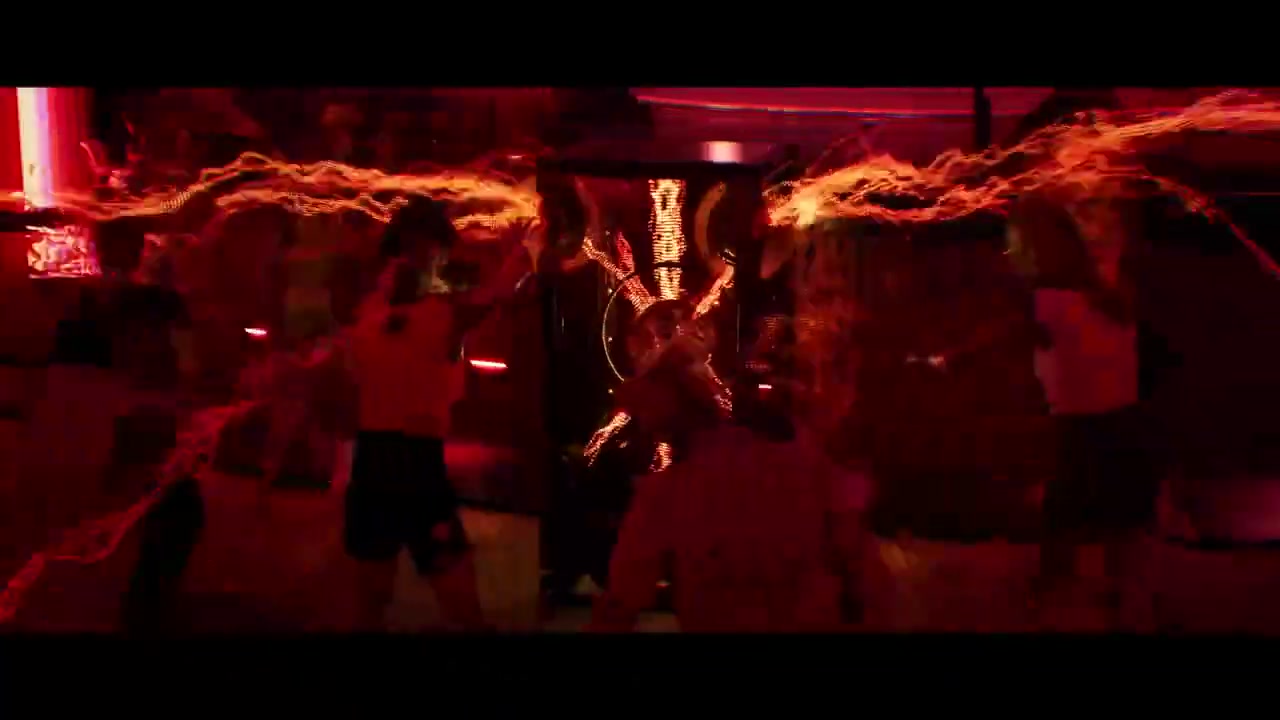
You can tackle zones aggressively or methodically, use environmental tricks, and tailor combat styles to your preference. Difficulty is adjustable without punishing newcomers, and the elemental interactions reward observation and creative problem-solving, which is rare in AAA zombie titles. Controls are intuitive, menus are clean, and tutorials, though rushed at the start, integrate seamlessly once you begin experimenting with mechanics.

Conclusion: Worth the Wait
Dead Island 2 is a curious, chaotic, and thoroughly satisfying game for all fans who buy PS5 games. The F.L.E.S.H. system elevates gore from spectacle to genuine body horror, while environmental elemental mechanics reward creativity and strategic thinking. Despite a hurried early narrative pace, the world-building, combat, and humor eventually win you over. Considering the nearly ten-year gap and the tumultuous development cycle, the final product is impressive. Dead Island 2 isn’t perfect, but it’s a triumphant, experience-first zombie romp that balances shock, spectacle, and player agency in ways few games manage.