Turmeric has been used in traditional beauty and skincare practices for generations. Known for its distinctive golden-yellow colour and naturally occurring compounds, this familiar ingredient has earned a place in modern skincare products. From face scrubs and facial masks to soaps and moisturising lotions, turmeric is now a common ingredient in many natural skincare formulations.
The growing interest in turmeric skincare is not just about traditional beauty routines. Many consumers are looking for skincare products made with recognisable ingredients that support their everyday skin needs. Turmeric fits this preference because it contains curcumin and other plant compounds that have been studied for their antioxidant and anti-inflammatory properties.
However, choosing a turmeric-based skincare product requires more than looking at its ingredient label. The formulation, concentration, supporting ingredients, skin type compatibility and intended use all influence whether a product is suitable for an individual's skincare routine.
Whether you are considering a turmeric face scrub, turmeric soap, face mask or other natural skincare products, understanding why this ingredient is popular can help you make a more informed buying decision.
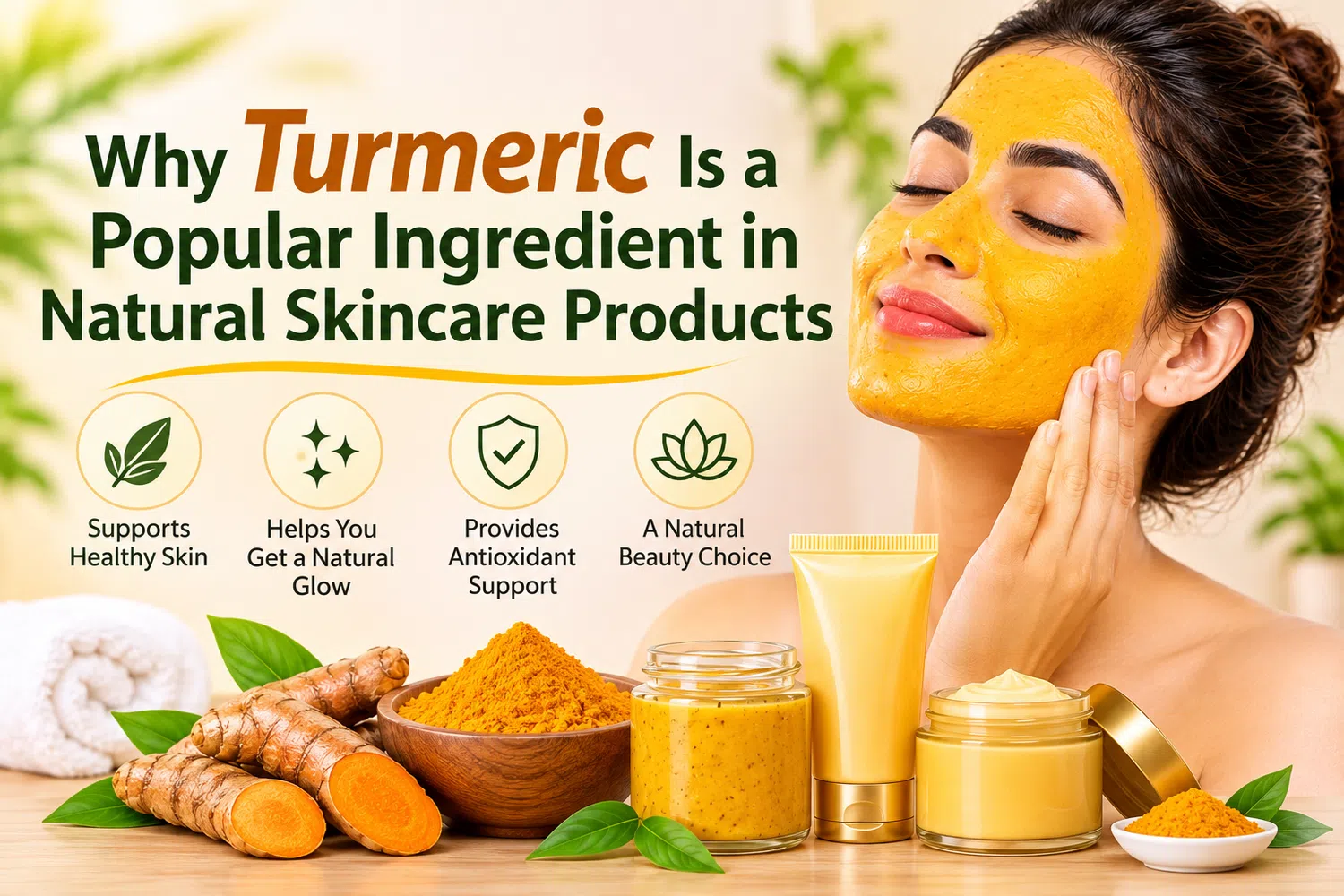
What Makes Turmeric a Popular Ingredient in Natural Skincare?
Turmeric (Curcuma longa) is a flowering plant whose underground stem is commonly used as a spice and traditional herbal ingredient. Its naturally occurring compounds, particularly curcuminoids, have attracted attention in skincare research.
One of the best-known compounds is curcumin, which contributes to turmeric's characteristic yellow colour and has antioxidant and anti-inflammatory properties in laboratory studies.
Several factors explain why skincare manufacturers include turmeric in their formulations.
1. Naturally Occurring Antioxidant Properties
Skin is regularly exposed to environmental factors such as sunlight, pollution and other external stressors. These factors can contribute to oxidative stress, which plays a role in visible skin ageing.
Turmeric contains antioxidant compounds that have been studied for their ability to counter oxidative processes.
This makes turmeric an interesting ingredient for skincare formulations designed to support healthy-looking skin.
When shopping for turmeric skincare products, check whether the formulation includes other supportive ingredients, such as vitamin E or plant-based moisturising ingredients. A well-designed formula considers the overall combination rather than relying on one ingredient alone.
2. Its Association with Traditional Skincare Practices
Turmeric has a long history of use in traditional Indian beauty rituals. It has commonly been included in homemade face packs and cleansing preparations.
Many people are familiar with turmeric-based skincare because it has been passed down through generations.
Modern skincare brands have adapted this traditional ingredient into convenient products such as:
Turmeric face scrubs
Turmeric facial masks
Turmeric soap bars
Turmeric face cleansers
Turmeric-based lotions
Herbal skincare combinations
These products make it easier to incorporate turmeric into a regular skincare routine without preparing homemade mixtures.
3. Interest in Plant-Based Skincare Ingredients
Consumers increasingly pay attention to the ingredients used in their personal care products. Some prefer products containing botanical extracts and familiar plant-based ingredients.
Turmeric is particularly appealing because it is widely recognised and has an established place in traditional Indian skincare.
However, natural does not automatically mean suitable for every skin type. A turmeric product may still contain fragrance, exfoliating particles or other ingredients that cause irritation in certain individuals.
Always evaluate the complete ingredient list rather than choosing a product based only on its natural or herbal label.
Key Benefits of Turmeric in Skincare Products
Turmeric is used in different skincare formulations because of its potential skin-supporting properties. The benefits depend on the product formulation, the concentration of turmeric and how the product is used.
1. Supports Healthy-Looking Skin
A consistent skincare routine helps maintain the skin's appearance and condition. Turmeric-based products can be part of this routine when formulated with suitable cleansing and moisturising ingredients.
For example, a turmeric face cleanser can help remove everyday dirt and surface impurities, while a moisturising turmeric lotion may support skin hydration.
The benefit comes from the complete formulation, not turmeric alone.
2. Helps Support the Appearance of Brighter Skin
Uneven skin tone and dull-looking skin are common concerns among people looking for natural skincare products.
Turmeric is traditionally associated with brighter-looking skin, which contributes to its popularity in facial masks and other beauty preparations.
However, turmeric should not be considered a guaranteed skin-lightening treatment. Evidence that topical turmeric reliably reduces pigmentation in humans remains limited.
For concerns such as persistent dark spots, melasma or post-acne marks, products containing well-studied ingredients and appropriate sun protection may be more suitable.
3. Provides Antioxidant Support
Antioxidants are valued in skincare because they help address oxidative stress associated with environmental exposure.
Curcumin has demonstrated antioxidant activity in research, although translating laboratory findings into predictable results from topical skincare products is not straightforward.
This is one reason turmeric continues to attract interest among skincare formulators.
4. Complements Different Skincare Formulations
Turmeric is not limited to one type of beauty product. It can be incorporated into different formulations depending on the product's purpose.
For example:
Face scrubs combine cleansing and physical exfoliation.
Face masks are designed for occasional skincare treatments.
Soap bars provide a convenient cleansing option.
Lotions combine skincare ingredients with moisturising components.
This versatility allows customers to choose a product based on their daily routine rather than purchasing multiple products simply because they contain turmeric.
Why Turmeric Is Used in Different Natural Skincare Products
Not every turmeric skincare product serves the same purpose. Understanding these differences can help you select products that match your skin concerns and personal preferences.
Turmeric Face Scrub
A turmeric face scrub is designed to remove surface impurities and exfoliate the skin through physical exfoliating particles.
Depending on its formulation, it may help remove accumulated dead skin cells and improve the appearance of rough or dull skin.
What to check before buying:
Whether the exfoliating particles are gentle.
Whether the formula contains moisturising ingredients.
Whether it is suitable for facial use.
Whether it contains added fragrance.
Whether the instructions recommend occasional rather than daily use.
People with sensitive, inflamed or acne-prone skin should be cautious with physical scrubs because excessive exfoliation can damage the skin barrier.
A turmeric face scrub from a range such as Reshma Beauty may be worth considering if you prefer a ready-to-use product over homemade exfoliating mixtures. Always review the ingredient list and product directions before use.
Turmeric Face Mask
A turmeric face mask is generally used as an occasional addition to a skincare routine.
Face masks may contain turmeric alongside ingredients such as clay, botanical extracts and moisturising agents.
Depending on the formulation, they may help absorb excess surface oil or leave the skin feeling refreshed.
Buying considerations:
Choose a mask formulated for your skin type.
Look for clear application and removal instructions.
Avoid formulas that leave your skin excessively dry.
Check for potential irritants if your skin is sensitive.
A face mask should complement your regular cleansing and moisturising routine rather than replace it.
Turmeric Soap
Turmeric soap is another popular option for people interested in herbal cleansing products.
Unlike facial masks and scrubs, soap is primarily intended to cleanse the skin. Some formulations also contain moisturising oils and other botanical ingredients.
Before purchasing turmeric soap, consider:
Whether it is suitable for facial or body use.
Whether the cleansing formula is gentle.
Whether it contains added fragrance.
Whether it leaves the skin feeling dry or tight.
Traditional soap formulations can be drying for some skin types. If you have dry or sensitive skin, consider a gentle, fragrance-free cleanser instead.
Turmeric-Based Moisturising Lotion
A turmeric-based lotion combines botanical ingredients with moisturising components.
The moisturising ingredients are particularly important because maintaining hydration supports the skin barrier.
Look for ingredients such as glycerin, aloe vera, shea butter or suitable plant oils, depending on your skin type and preferences.
A lotion should be selected primarily for its moisturising performance rather than the presence of turmeric alone.
How to Choose the Right Turmeric Skincare Products for Your Skin Type
One of the most important buying decisions is selecting a product that matches your skin's needs.
A product that works comfortably for someone with oily skin may not be the right choice for someone with dry or sensitive skin.
For Oily Skin
People with oily skin often prefer lightweight skincare products that cleanse without leaving a heavy residue.
Consider:
Lightweight turmeric-based cleansers.
Gentle face masks formulated for oily skin.
Non-comedogenic moisturisers.
Products that avoid excessive exfoliation.
Avoid using harsh scrubs to control oil production. Over-exfoliation can irritate the skin and worsen discomfort.
For Dry Skin
Dry skin generally benefits from products that support moisture retention.
Look for turmeric skincare formulations containing:
Glycerin.
Shea butter.
Hyaluronic acid.
Suitable plant oils.
Other moisturising ingredients.
Avoid cleansers that leave your face feeling tight or uncomfortable after washing.
For Combination Skin
Combination skin may have an oily T-zone and comparatively dry cheeks.
A balanced skincare routine can include a gentle cleanser, a suitable moisturiser and an occasional face mask.
Choose products that do not excessively dry the skin or leave oily areas feeling uncomfortable.
For Sensitive Skin
Sensitive skin requires additional care when introducing botanical skincare products.
Even natural ingredients can trigger irritation or allergic reactions.
Before purchasing a turmeric face scrub, mask or lotion:
Read the full ingredient list.
Avoid unnecessary fragrance if you are prone to reactions.
Perform a patch test according to product instructions.
Introduce one new product at a time.
Stop using the product if irritation develops.
If you have eczema, rosacea or persistent skin inflammation, seek advice from a dermatologist before introducing new exfoliating or botanical products.
How to Include Turmeric Skincare in Your Daily Routine
The best way to use turmeric skincare depends on the product type.
You do not need to use every turmeric-based product together. A simple routine with a few suitable products is often easier to maintain.
Morning Skincare Routine
A basic morning routine may include:
Gentle cleansing: Use a suitable facial cleanser to remove overnight oil and surface impurities.
Moisturising: Apply a moisturiser suited to your skin type.
Sun protection: Finish with a broad-spectrum sunscreen with SPF 30 or higher.
If your turmeric product is a cleanser, follow its usage instructions. Avoid introducing several new products at once.
Evening Skincare Routine
An evening routine can focus on cleansing and supporting skin hydration.
Remove makeup and sunscreen.
Cleanse your face with a gentle cleanser.
Apply a suitable moisturiser.
Use a turmeric face mask or scrub only as directed by the manufacturer.
Physical exfoliation should generally be limited to occasional use based on skin tolerance and the product's directions.
Weekly Skincare Routine
A simple weekly routine might include an occasional turmeric face mask or gentle exfoliating product.
For example, someone who enjoys using a face mask may include it once a week if the formulation and their skin tolerate it.
There is no requirement to use turmeric every day to maintain a healthy skincare routine.
Turmeric Skincare vs Other Natural Skincare Ingredients
Turmeric is popular, but it is not the only botanical ingredient used in natural skincare products.
Other commonly used ingredients include aloe vera, neem, sandalwood and green tea.
Each ingredient has a different purpose, and the best option depends on the formulation and your skincare needs.
Turmeric vs Aloe Vera
Turmeric is primarily valued for its curcumin content and antioxidant properties.
Aloe vera is commonly used in skincare formulations for its soothing and moisturising properties.
People looking for lightweight hydration may prefer aloe-based products, while those interested in botanical antioxidant ingredients may consider turmeric formulations.
Turmeric vs Neem
Neem has a long history of use in traditional personal care products.
It is commonly included in cleansing and herbal skincare formulations.
Turmeric and neem serve different formulation purposes, so the choice should depend on the complete product ingredients and individual skin tolerance.
Turmeric vs Green Tea
Green tea contains polyphenols, including catechins, which have been studied for antioxidant activity.
Turmeric contains curcuminoids, including curcumin.
Both ingredients are used in skincare products, but their presence alone does not guarantee a particular cosmetic result.
What to Check Before Buying Turmeric Skincare Products Online
Shopping for natural skincare products online can be convenient, but it is important to evaluate more than product images and promotional claims.
Here are some factors to consider before placing an order.
1. Read the Complete Ingredient List
Check how turmeric appears in the ingredient list and what other ingredients are included.
Look for ingredients that support the product's intended function.
For example, a moisturising lotion should contain effective moisturising ingredients rather than relying on turmeric as its main selling point.
2. Check the Product's Intended Use
A face scrub, soap and body lotion are designed for different purposes.
Never assume that a turmeric product suitable for the body is automatically suitable for facial skin.
Check the packaging for specific usage instructions.
3. Consider the Quantity and Price
The cheapest product is not necessarily the best value.
Compare the product's quantity, formulation, recommended frequency of use and expected duration.
A smaller product with a suitable formulation may offer better value than a larger product that does not match your skincare needs.
4. Look for Clear Product Information
A trustworthy skincare product listing should provide:
Full ingredient information.
Net quantity.
Directions for use.
Manufacturer or brand details.
Shelf life and expiry information.
Relevant warnings and storage instructions.
Clear product information makes it easier to compare options and understand what you are purchasing.
5. Check Packaging and Product Reviews
Packaging should protect the product from contamination and unnecessary exposure to air, moisture or light.
Customer reviews can help you understand the product's texture, fragrance, packaging and ease of use.
However, individual experiences are not scientific evidence that a product will deliver the same results for everyone.
Common Mistakes to Avoid When Using Turmeric Skincare
Although turmeric is a familiar ingredient, incorrect product selection or overuse can lead to unwanted skin reactions.
Using Turmeric Products Too Frequently
Using multiple exfoliating products or applying face scrubs too often can irritate the skin.
Follow the manufacturer's directions and adjust usage based on your skin's response.
Assuming Natural Products Cannot Cause Irritation
Plant-based ingredients can still trigger allergic reactions or sensitivity.
Always check the ingredients and patch-test new products, particularly if you have sensitive skin.
Applying Homemade Turmeric Mixtures Without Testing
Homemade turmeric face packs are popular, but ingredients such as lemon juice, essential oils and other household substances may irritate facial skin.
A properly formulated commercial product offers more controlled ingredients and clearer usage instructions, although it can still cause reactions.
Ignoring Sunscreen
Turmeric products are not substitutes for sunscreen.
Daily sun protection is important for preventing sun damage and managing the appearance of uneven pigmentation.
Expecting Immediate Results
Skincare products do not produce identical results for everyone.
Avoid products that promise instant fairness, permanent pigmentation removal or guaranteed acne treatment.
A practical skincare routine should focus on comfort, consistency and suitable ingredients.
Why Consider Turmeric Skincare Products from Reshma Beauty?
For consumers interested in traditional botanical ingredients, Reshma Beauty offers an option to explore turmeric-inspired skincare as part of a broader personal care routine.
When choosing a product from the range, consider your main skincare requirement rather than purchasing products simply because they share the same ingredient.
For example:
Choose a turmeric face scrub if you want an exfoliating product and your skin tolerates physical exfoliation.
Consider a turmeric face mask if you prefer an occasional skincare treatment.
Explore turmeric soap if you are looking for a cleansing product.
Choose a suitable moisturising product if hydration is your primary concern.
Before purchasing, review the individual product details, ingredients and directions to determine whether the formulation matches your skin type.
The most useful skincare purchase is one that fits comfortably into your existing routine and addresses a genuine need.
Frequently Asked Questions About Turmeric Skincare
1. Why is turmeric used in natural skincare products?
Turmeric is used in natural skincare products because it contains curcumin and other naturally occurring compounds with antioxidant and anti-inflammatory properties demonstrated in research. It is also popular because of its long-standing association with traditional Indian beauty practices.
2. Is turmeric skincare suitable for all skin types?
Not necessarily. Suitability depends on the complete formulation and individual skin sensitivity. People with dry, oily, combination or sensitive skin should choose products designed for their needs and check the ingredients before use.
3. Can turmeric skincare help with dull-looking skin?
Turmeric is traditionally associated with brighter-looking skin, and it is commonly included in facial masks and scrubs. However, evidence supporting significant improvements in skin brightness from topical turmeric alone is limited. Gentle exfoliation, moisturising and sun protection are also important.
4. Can I use a turmeric face scrub every day?
Daily use is generally unnecessary and may cause irritation, particularly if the scrub contains physical exfoliating particles. Follow the manufacturer's instructions and use it according to your skin's tolerance.
5. Is turmeric soap good for everyday use?
It depends on the soap's formulation and your skin type. Some turmeric soaps are suitable for regular cleansing, while others may leave dry or sensitive skin feeling uncomfortable. Check the ingredients and discontinue use if irritation or excessive dryness occurs.
6. Can turmeric skincare products remove dark spots?
Turmeric is not a proven treatment for removing dark spots or pigmentation. Products containing ingredients with stronger clinical evidence, along with consistent sunscreen use, may be more appropriate. Consult a dermatologist for persistent pigmentation concerns.
7. How long does it take to see results from turmeric skincare?
There is no fixed timeline because results depend on the product, formulation, frequency of use and individual skin condition. Some cleansing products may provide an immediate feeling of cleanliness, but improvements in longer-term skin concerns should not be assumed or guaranteed.
8. What should I look for when buying turmeric skincare products online?
Check the complete ingredient list, product purpose, skin type suitability, net quantity, directions, expiry information and brand details. Also consider customer feedback and whether the product offers good value for its price.
Conclusion
Turmeric has remained a popular ingredient in natural skincare because of its traditional use, recognisable botanical origin and naturally occurring antioxidant compounds. Its versatility allows it to be included in different products, including face scrubs, facial masks, soaps and moisturising formulations.
However, choosing the right turmeric skincare product requires understanding your skin type, the product's intended purpose and the complete ingredient formulation. Natural ingredients can be useful additions to a skincare routine, but they are not automatically suitable for everyone or guaranteed to address specific skin concerns.
If you are interested in incorporating botanical ingredients into your beauty routine, explore the turmeric skincare options from Reshma Beauty. Compare the formulations, check the product instructions and select products that complement your everyday skincare needs.