Choosing clothes for a newborn is exciting, but it can also feel confusing for first-time parents. With so many designs, fabrics, sizes, and styles available, knowing what to buy and how many pieces you actually need can be challenging. Newborn baby rompers are a practical option because they combine a top and bottom into one garment, making everyday dressing simpler.
However, not every romper is suitable for every situation. Fabric quality, fit, fastening design, weather conditions, and ease of washing all influence how comfortable and useful a romper will be. Parents also need to consider how quickly their baby will grow and whether a particular style offers good value for money.
This guide explains how to choose newborn baby rompers, what features to check before purchasing, which mistakes to avoid, and how to build a practical newborn wardrobe. Whether you are preparing for your baby's arrival or shopping for a thoughtful baby gift, these tips will help you make a more informed decision.
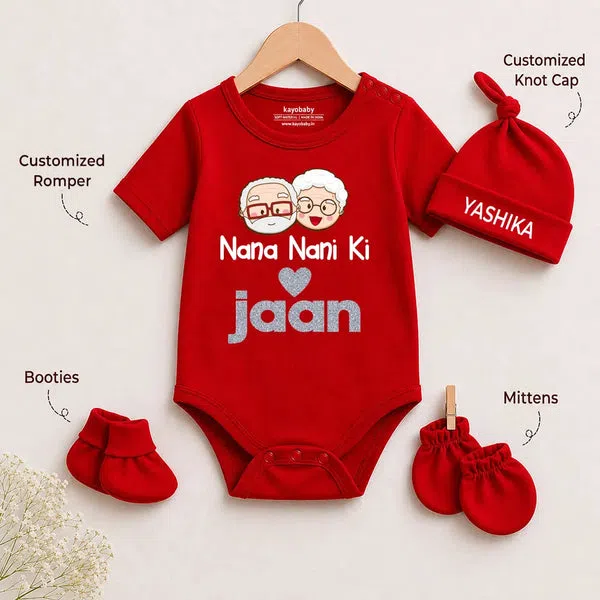
Why Are Newborn Baby Rompers a Practical Choice?
Newborn babies need frequent clothing changes because of feeding spills, drooling, diaper leaks, and occasional spit-ups. Having comfortable clothes that are easy to put on and remove can make daily routines more manageable.
Newborn baby rompers offer several practical benefits.
Simple dressing: A one-piece design reduces the need to coordinate separate tops and bottoms.
Convenient diaper changes: Rompers with accessible crotch snaps or other suitable fastenings can make diaper changes easier.
Everyday comfort: Soft fabrics and a suitable fit allow babies to move their arms and legs comfortably.
Fewer separate pieces: Parents can simplify outfit planning with a garment that works as a complete outfit.
Versatile use: Depending on the design and weather, rompers can be suitable for supervised indoor activities, visits, and everyday wear.
For first-time parents, convenience matters just as much as appearance. A romper may look adorable, but it will be more useful if it can be changed quickly, washed easily, and worn comfortably throughout the day.
How to Choose the Right Fabric for Newborn Baby Rompers
Fabric is one of the first things to examine when shopping for newborn clothes. A baby's skin can be sensitive, and clothing that feels rough, traps excessive heat, or has irritating seams may cause discomfort.
1. Cotton for Everyday Wear
Cotton is a popular choice for newborn baby rompers because it is generally soft, breathable, and easy to care for. Lightweight cotton can be useful for everyday wear, particularly in warmer conditions.
When comparing cotton rompers, check the fabric composition, thickness, stitching, and care instructions. A garment labelled as cotton should still be inspected for rough seams, stiff labels, and uncomfortable decorative elements.
2. Lightweight Fabrics for Warm Weather
In warm or humid weather, lightweight clothing can help reduce heat buildup. Look for rompers that allow airflow and do not fit tightly around the baby's chest, waist, arms, or legs.
For hot Indian summers, avoid unnecessarily thick fabrics and excessive layering. Parents should also monitor the baby's temperature rather than relying on clothing type alone.
3. Warmer Options for Cooler Conditions
During cooler months, slightly thicker cotton fabrics or suitable layering pieces may be more practical. The right choice depends on the indoor temperature, outdoor conditions, and how long the baby will be exposed to cooler air.
A thick romper is not automatically the safest option for every situation. Babies can overheat, so clothing should be adjusted to the environment. For sleep, follow current safe-sleep guidance and avoid loose blankets or excessive layers.
4. Check the Fabric Finish and Construction
Before buying, examine more than the fabric name. Pay attention to:
Smooth seams that do not rub against the skin.
Soft necklines and leg openings.
Securely attached buttons and decorations.
Fasteners that close properly without sharp edges.
Washing instructions that suit your household routine.
For newborn clothing, simple designs with minimal embellishments are often easier to maintain and inspect.
How to Find the Correct Newborn Romper Size
Choosing the correct size is important because newborns grow quickly, and clothing sizes can vary between brands. A romper that fits perfectly today may become restrictive sooner than expected.
Check Measurements Instead of Relying Only on Age
Labels such as newborn, 0–3 months, or 3–6 months are useful starting points, but they are not universal sizing standards. Always check the brand's size chart before placing an order.
Look for the following measurements where available:
Baby's length or height.
Chest measurement.
Weight range.
Garment length and fit guidance.
If you are buying clothes before delivery, consider purchasing a small selection of newborn sizes and some slightly larger pieces. Birth weight and growth patterns vary, so it is difficult to predict the exact fit in advance.
Signs That a Romper Fits Properly
A well-fitting romper should allow your baby to bend their knees, move their arms, and stretch naturally.
Check that:
The neckline does not press against the baby's throat.
The fabric does not pull tightly across the chest or abdomen.
The crotch area has enough room for a diaper.
Sleeves and leg openings do not restrict movement.
Fasteners close without pulling the fabric tightly.
Avoid buying an excessively large romper simply to extend its use. Loose fabric, long sleeves, or dangling details may create safety concerns, particularly during sleep.
Which Features Should You Check Before Buying Newborn Baby Rompers?
The design of a romper can make a noticeable difference to everyday convenience. Parents should prioritise useful construction details over appearance alone.
Easy-to-Use Fastenings
Rompers with strategically placed snaps or suitable front openings can make dressing and undressing easier. Some designs also offer convenient access for diaper changes.
Check whether the fasteners are secure and easy to operate without tugging on the fabric. If a romper requires pulling over the baby's head, make sure the neckline opens sufficiently and the garment can be handled gently.
Comfortable Necklines and Sleeves
A wide, flexible neckline can make dressing easier, while appropriately fitted sleeves help prevent the garment from slipping over the hands.
For newborns, avoid tight neck openings, restrictive cuffs, rough seams, and decorative pieces that may irritate the skin.
Practical Leg and Diaper Access
Frequent diaper changes are part of newborn care. A design with convenient access can save time and reduce the need to remove the entire outfit.
When evaluating newborn baby rompers, check how the lower fastenings open and close. They should be secure during normal wear and easy for a parent to operate during a change.
Simple Designs That Are Easy to Maintain
Printed patterns, playful colours, and family-themed designs can make baby clothing appealing. However, everyday garments should also be practical to wash and dry.
Check whether the print or decoration is suitable for regular laundering. Avoid loose embellishments, detachable decorative pieces, and cords that could pose safety risks.
How Many Newborn Baby Rompers Should First-Time Parents Buy?
There is no single number that works for every family. The quantity depends on how frequently you do laundry, the local climate, your baby's feeding and diapering needs, and how often clothing requires changing.
A practical starting point is to buy a modest selection rather than a large wardrobe before the baby arrives.
Consider beginning with around four to six everyday rompers, alongside other suitable newborn clothing. Families who cannot wash clothes frequently may need more, while those who do laundry daily may manage with fewer.
Before purchasing additional pieces, think about:
How often you expect to change your baby's clothes.
Whether you have access to a washing machine and quick-drying space.
Whether the rompers suit the current season.
How many other newborn outfits you already own.
Whether you have included slightly larger sizes for later use.
Buying too many pieces in one size can lead to unused clothing, especially if your baby outgrows that size quickly. A smaller, well-planned collection is often more economical.
Newborn Baby Rompers vs Other Baby Clothes
Parents may also compare rompers with bodysuits, sleepsuits, and separate tops with trousers. These garments serve different purposes, so the best option depends on how and when you plan to use them.
Rompers
Rompers are one-piece outfits that typically combine a top with shorts or longer legs, depending on the design. They can be practical for everyday dressing, playtime, and outings when the style suits the weather.
Bodysuits
Bodysuits usually have a body-covering design with fastening at the crotch. They are often used as a base layer under trousers or other clothing. Some styles are also suitable for wearing on their own in appropriate conditions.
Sleepsuits
Sleepsuits generally cover more of the legs and may include built-in feet. They are designed for sleep or all-day comfort, depending on the product. Always check that the garment is suitable for the baby's size and the room temperature.
Separate Tops and Bottoms
Two-piece outfits provide flexibility because each item can be changed separately. However, they may require more coordination and can allow the top to ride up during movement.
For most first-time parents, a combination of these clothing types provides greater flexibility than relying on a single style.
What Should Parents Consider When Buying Newborn Baby Rompers Online in India?
Online shopping gives parents access to a wide range of colours, prints, and styles, but product photos do not tell the whole story. Reviewing the product details carefully can help you avoid unsuitable purchases.
Read the Product Description Carefully
Check the fabric composition, size options, included items, washing instructions, and any details about fastenings. If a product image shows multiple garments, confirm whether the price includes the complete set or only one item.
Do not assume that every romper is made from pure cotton or that every style includes diaper-change snaps. These features should be confirmed in the actual product description.
Review the Size Chart
Compare the available measurements with your baby's current measurements when possible. If the chart is unclear, contact the seller before ordering rather than guessing based on age alone.
Understand the Return and Exchange Policy
Newborn clothes may not fit as expected. Review the return window, exchange eligibility, delivery estimates, and any conditions relating to tags or packaging before paying.
This is particularly important when shopping for baby shower gifts or ordering clothing before the baby's arrival.
Compare Value, Not Just Price
The cheapest garment is not always the most economical purchase. Consider the fabric, construction, durability, washing requirements, and expected frequency of use.
A reasonably priced romper that remains comfortable after repeated washing may offer better value than a garment that quickly loses its shape or becomes difficult to fasten.
Newborn Baby Rompers as Gifts for New Parents
Baby rompers can be useful gifts for baby showers, newborn visits, naming ceremonies, or welcoming a new family member. They are especially practical when selected with the parents' everyday needs in mind.
When choosing a gift, consider the following:
Size: A slightly larger size may be useful if the parents already have several newborn outfits.
Season: Choose a fabric and design suitable for the expected weather.
Colour and print: Neutral colours, playful patterns, and family-themed designs can suit different preferences.
Care requirements: Easy-to-wash garments are convenient for busy parents.
Packaging: If the romper is part of a gift set, check exactly which items are included.
KayoBaby offers a brand option for parents and gift buyers exploring baby clothing. When considering any KayoBaby newborn outfit or gift set, review the specific product details, available sizes, fabric information, and included items to ensure they match your needs.
A useful gift does not have to be elaborate. A comfortable, practical outfit in a suitable size can become part of a family's regular clothing rotation.
Common Mistakes to Avoid When Buying Newborn Baby Rompers
First-time parents can avoid unnecessary spending and discomfort by watching out for a few common mistakes.
Buying Too Many Newborn Sizes
Babies grow at different rates, and some outgrow newborn clothing quickly. Purchase enough for immediate needs while leaving room for growth.
Choosing Appearance Over Comfort
A cute print or trendy design should not outweigh fabric quality, a comfortable fit, or safe construction. Check seams, fastenings, and decorative elements before buying.
Ignoring the Weather
A thick garment may be uncomfortable in hot weather, while a lightweight romper may not provide enough warmth in a cooler environment without suitable layers. Choose clothing based on actual conditions.
Forgetting Washing Requirements
Newborn clothing often needs frequent laundering. Read care instructions before purchasing garments that require special washing or handling.
Assuming Every Brand Uses the Same Sizing
A newborn size from one brand may fit differently from another. Use the relevant size chart rather than depending on the label alone.
Frequently Asked Questions About Newborn Baby Rompers
1. What are newborn baby rompers used for?
Newborn baby rompers are one-piece garments used for everyday dressing, indoor activities, outings, and other suitable occasions. Their main advantage is combining the upper and lower parts of an outfit into one garment.
2. Which fabric is best for newborn baby rompers?
Soft, lightweight cotton is a common choice for everyday wear because it is generally breathable and easy to wash. The best option depends on the weather, the baby's comfort, and the garment's construction. Always review the fabric composition and care instructions.
3. Should I buy newborn or 0–3 month rompers?
Check the brand's size chart and your baby's measurements where available. Newborn sizes may suit smaller babies, while 0–3 month sizes can provide additional room for growth. Since sizing varies between brands, avoid relying on age labels alone.
4. How many rompers does a newborn need?
Around four to six everyday rompers can be a reasonable starting point for some families. You may need more if you wash clothes less frequently or your baby requires several outfit changes daily. Adjust the quantity according to your routine.
5. Are newborn baby rompers suitable for summer?
Lightweight, breathable rompers can be suitable for summer when they fit comfortably and are appropriate for the temperature. Avoid excessive layering and monitor your baby's temperature, particularly in hot or humid conditions.
6. Are rompers better than bodysuits for newborns?
Neither is universally better. Rompers can work as complete outfits, while bodysuits are often useful as base layers under other clothes. Many parents find that keeping both styles available makes dressing more flexible.
7. What should I check before ordering newborn baby rompers online?
Review the size chart, fabric composition, fastening design, seam quality, washing instructions, product photographs, delivery information, and return policy. Confirm the number of garments included, especially when purchasing a gift set.
8. Are newborn baby rompers a good baby shower gift?
Yes, they can be practical baby shower gifts when the size, fabric, season, and design suit the family's needs. If the parents already have many newborn outfits, consider a larger size or a useful clothing set.
Conclusion: Choose Newborn Baby Rompers That Suit Your Baby's Needs
Buying newborn baby rompers is easier when you focus on everyday practicality rather than appearance alone. Soft fabric, comfortable sizing, convenient fastenings, easy care, and suitability for the weather should guide your decision.
First-time parents can begin with a small selection of versatile outfits, check the sizing carefully, and add more clothing as their baby's needs become clearer. Before placing an order, review the product description and return policy so you know exactly what you are buying.
If you are preparing for your baby's arrival or looking for a thoughtful newborn gift, explore the available baby clothing options from KayoBaby. Compare the designs, sizes, and product details to choose newborn baby rompers that fit your family's needs and make everyday dressing more convenient.