A comfortable home is not only about furniture, colours, or the size of a room. The smaller decorative details often play an important role in making a space feel warm, personal, and inviting. Carefully selected home decoration items can add character to an otherwise simple room while creating a balanced and comfortable atmosphere.
From decorative wall pieces and framed artwork to planters, sculptures, table accents, rugs, and handcrafted-looking accessories, the right combination can make your living space feel more complete. However, decorating does not mean filling every empty corner. The goal is to choose pieces that complement your existing furniture and create visual warmth without making the room feel crowded.
If you are planning to refresh your living room or add personality to different areas of your home, the following ideas can help you use decorative pieces in a thoughtful way.
Start With a Comfortable Base
Before adding decoration, look at the existing furniture and layout of your room. A sofa, centre table, cabinet, or shelf usually forms the foundation of a living space. Your decorative accessories should work around these elements rather than compete with them.
For example, if your furniture has a simple or neutral appearance, decorative wall art, colourful framed pieces, or patterned accessories can introduce visual interest. On the other hand, if the room already has several strong colours and patterns, simpler decorative objects can help maintain balance.
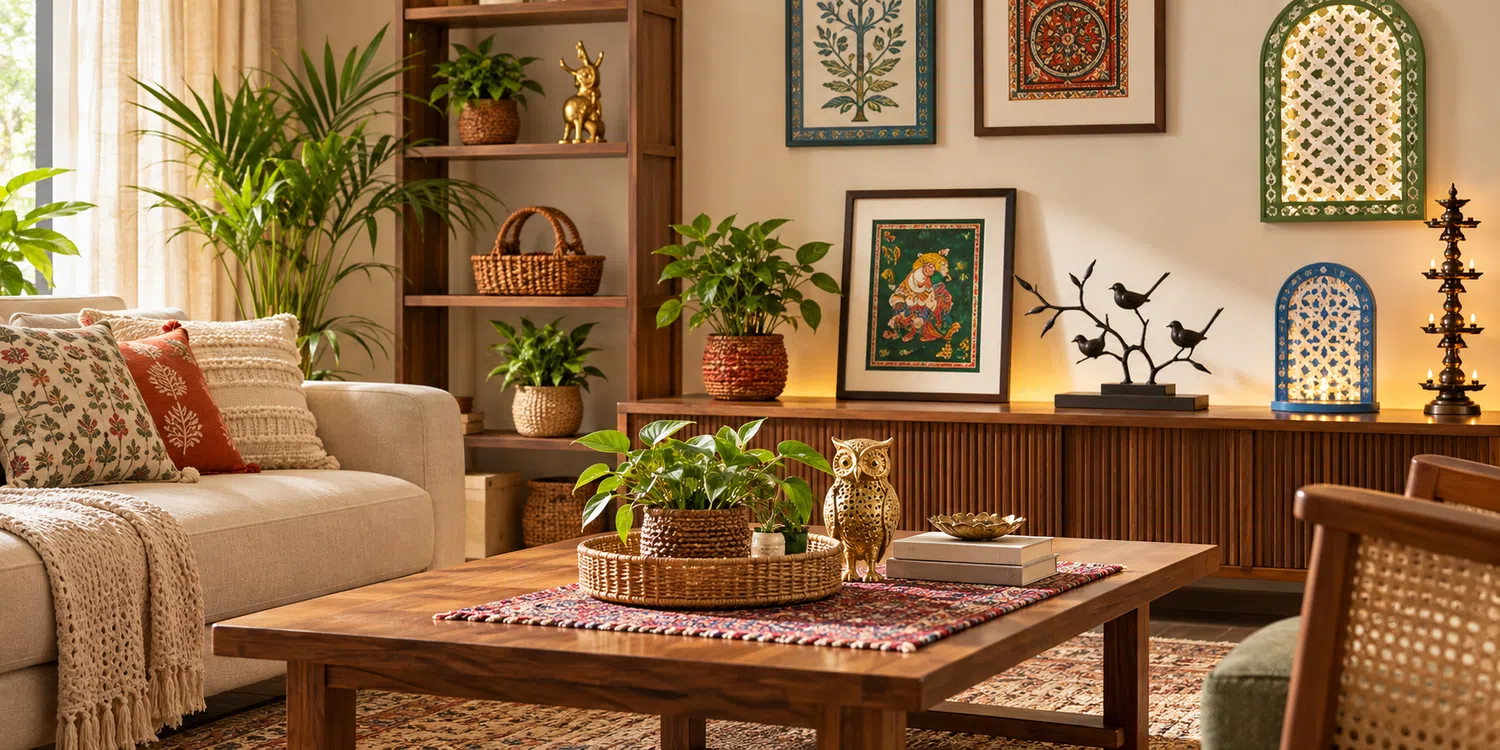
The products shown in the collection include a wide variety of decorative pieces, making it possible to create different combinations without relying on too many unrelated styles.
Add Warmth With Decorative Planters
Plants are one of the easiest ways to make a room feel more natural and welcoming. The collection features decorative planters with green plants that can work particularly well on shelves, side tables, cabinets, or other suitable surfaces.
The combination of greenery and decorative planters brings a softer visual element into the room. Instead of leaving a shelf completely empty, you can place a planter alongside a few carefully selected decorative pieces.
You can also create a small arrangement using two similar planters. Keeping the pieces visually related can make the display look intentional rather than random.
For a cosy living room, place decorative planters near areas where you already have natural light. Their earthy appearance can work well with wooden furniture and warm interior colours.
Use Framed Artwork to Add Personality
Empty walls can make a room feel unfinished. Framed artwork is an effective way to introduce colour, patterns, and personality without changing the furniture.
The collection shown in the image includes several framed decorative artworks featuring colourful and artistic designs. These pieces can be used individually as focal points or arranged as part of a larger wall display.
A framed artwork can work above a console, beside a cabinet, or on a prominent living-room wall. When selecting the placement, consider the size of the surrounding furniture. A small frame may look better as part of a group, while a larger artwork can stand on its own.
The key is to leave enough empty space around the artwork. This allows the design to remain visible and prevents the wall from appearing overloaded.
Create an Artistic Wall With Decorative Panels
The collection also includes decorative wall panels and patterned pieces with geometric, floral, and traditional-inspired designs. These can be used to introduce an artistic element to plain walls.
Decorative panels are particularly useful when you want to create a focal area without using large furniture pieces. A patterned wall piece can be placed above a console or used on a relatively empty section of the living room.
You can also combine different decorative pieces carefully. However, avoid placing too many competing designs together. If one wall has a detailed decorative panel, keep nearby accessories relatively simple.
This approach allows the main decorative item to become the visual centre of the space.
Introduce Sculptural Pieces for a Distinct Look
Decorative sculptures can add depth and shape to a room. The collection features several sculptural pieces, including artistic animal-inspired figures, human-form sculptures, birds, and other decorative objects.
These items can be especially useful on shelves, consoles, cabinets, or display units. Unlike framed artwork, sculptures add a three-dimensional element to the room.
For example, a sculptural piece can be placed beside a planter to create contrast between natural greenery and a structured decorative form. Similarly, a small sculpture can be positioned alongside books or other simple objects to create a layered display.
When using sculptures, think about height. Combining pieces with slightly different heights can make a display more visually interesting.
Use Decorative Arches as Focal Pieces
Another noticeable category in the collection is the range of decorative arch-shaped wall pieces. Some feature detailed patterns and colourful designs, while others have lighter, more neutral appearances.
These pieces can add an architectural feel to a room without requiring structural changes. An arch-shaped decorative item can be positioned on a wall, shelf, or suitable display area depending on its design.
Because of their distinctive shape, they can work particularly well as standalone accents. You do not necessarily need several pieces around them. Allowing an interesting decorative item to have some breathing room can make it more noticeable.
Add Texture With Rugs and Textile-Based Decor
Cosiness is not only about visual appearance. Texture also influences how comfortable a space feels.
The collection includes patterned rug-like and textile decorative pieces that can introduce colour and texture into the interior. These can work particularly well in living spaces where the existing furniture has plain upholstery or simple finishes.
A patterned textile can break up large areas of neutral furniture and add visual warmth. When using colourful patterns, consider the colours already present in the room. Selecting a piece that includes one or two existing accent colours can help create a more coordinated appearance.
Instead of matching every item exactly, aim for complementary colours and patterns.
Decorate Shelves With Layered Arrangements
Shelves offer an excellent opportunity to combine different types of home decoration items. The collection includes planters, framed artwork, sculptures, decorative objects, and other accents that can be arranged together.
Rather than placing items in a straight line, create different visual levels. A planter can be positioned beside a shorter decorative object, while a framed piece can provide a vertical element behind them.
Leave some open space between groups. Empty space is important because it prevents a display from looking cluttered.
A simple arrangement of three or four coordinated pieces can often look more polished than a shelf filled with many unrelated objects.
Bring Character to Side Tables and Consoles
Small surfaces such as side tables and consoles can easily become overlooked areas. They are also ideal locations for small decorative objects.
A decorative sculpture, small planter, or artistic object can add interest without taking up much space. If you already have functional items on the table, choose decoration that complements them rather than competing for attention.
For example, a small decorative object can sit beside a planter, while a larger framed artwork can be placed behind the arrangement. This creates depth and makes the surface look intentionally styled.
Remember that these surfaces should remain practical. Leave enough space for everyday use instead of covering the entire area with decoration.
Combine Traditional and Contemporary Elements
One of the strengths of the products shown in the collection is the variety of visual styles. There are colourful artworks, patterned decorative pieces, sculptural objects, planters, wall accents, and traditional-looking designs.
This variety allows you to create an interior that feels personal rather than overly uniform.
You can combine a traditional-inspired decorative piece with a simple modern planter, for example. Similarly, an artistic sculpture can be placed near a patterned framed artwork.
The important factor is balance. While different styles can work together, they should share at least one visual connection, such as colour, material appearance, shape, or overall tone.
Choose Colours That Support a Relaxing Atmosphere
Colour has a major influence on how a room feels. If your goal is a cosy and comfortable living space, consider using decorative pieces that complement the existing colour palette.
Earthy tones, natural greens, warm browns, muted patterns, and soft neutrals can create a relaxed appearance. More colourful decorative artworks can then be used as accent pieces.
You do not need every item to have the same colour. Instead, repeat a few colours throughout the room. For example, a colour appearing in a framed artwork can be subtly repeated through a decorative object or textile.
This creates visual continuity without making the interior look overly coordinated.
Avoid Overdecorating
One of the most important principles when using home decoration items is knowing when to stop.
A cosy room should feel comfortable, not crowded. If every wall, shelf, table, and corner contains several decorative pieces, individual items may lose their visual impact.
Start with a few important areas. Choose one focal wall, one shelf arrangement, and a few smaller accents. After placing them, step back and look at the overall room.
If the space already feels balanced, there may be no need to add more.
Create a Home That Feels Personal
The best decoration is not necessarily the most expensive or elaborate. It is the decoration that works naturally with your space and reflects your preferred style.
The collection shown includes framed artworks, decorative arches, planters, patterned pieces, sculptures, wall accents, textile-inspired products, and other artistic accessories. These options can be mixed thoughtfully to create a home that feels warm and individual.
Instead of decorating according to a fixed formula, consider how each item contributes to the atmosphere of the room. A planter can bring natural character, framed artwork can add colour, a sculpture can introduce dimension, while a patterned decorative piece can provide a focal point.
Final Thoughts
Creating a cosy and comfortable living space does not always require major changes. The right home decoration items can make a noticeable difference by adding colour, texture, personality, and visual balance.
Decorative planters can bring a natural touch, framed artwork can make plain walls more interesting, sculptural pieces can add depth, decorative arches can create focal points, and patterned textile pieces can introduce warmth. When these products are arranged thoughtfully, they can work together to create a living space that feels welcoming without appearing cluttered.
The key is to select pieces that complement your existing furniture, maintain a balanced colour palette, use different heights and textures, and leave enough open space for every decorative item to stand out. With a thoughtful approach, even simple rooms can become more inviting, comfortable, and visually appealing.