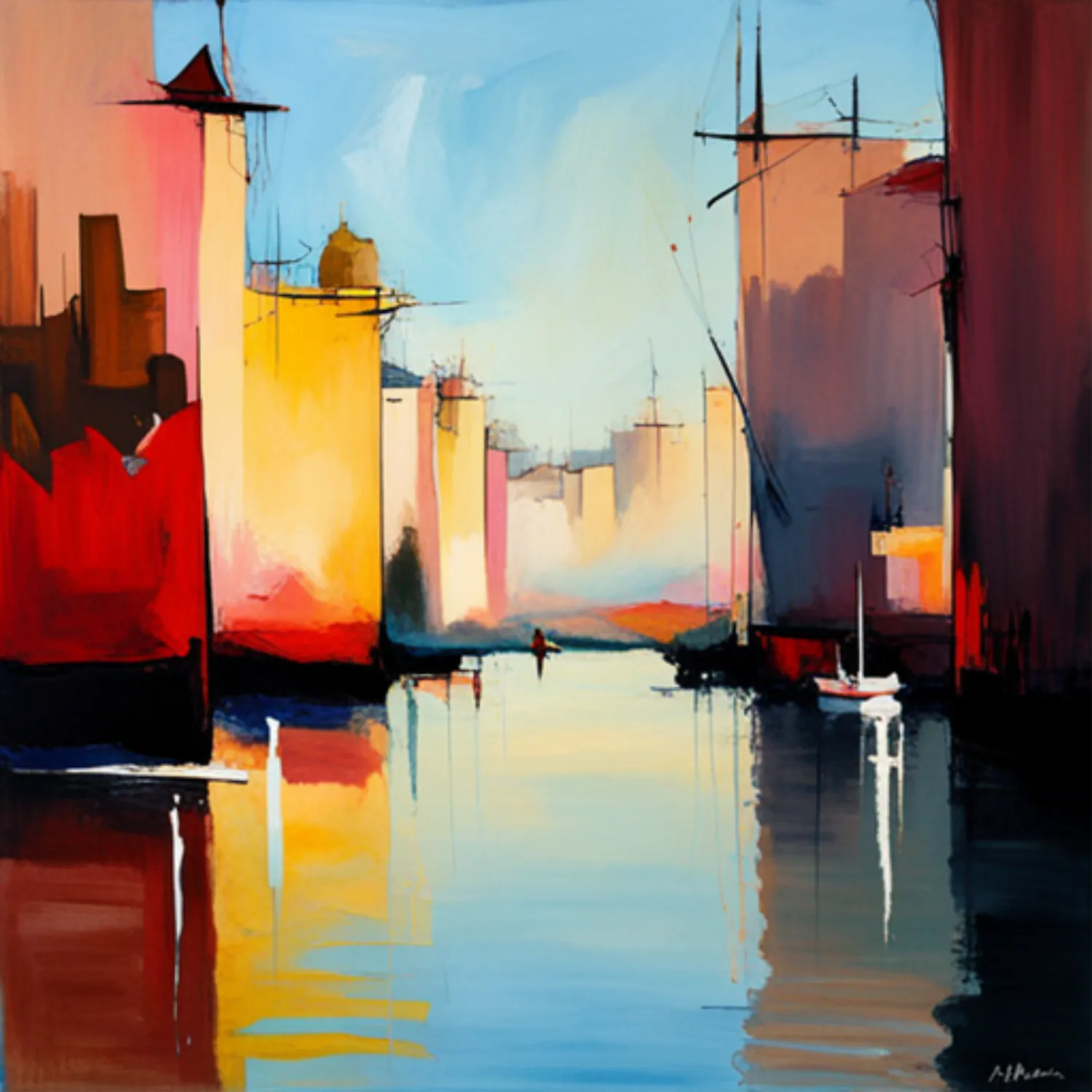
Modern abstract art is a captivating and innovative genre that continues to push the boundaries of artistic expression. From its origins in the early 20th century to its diverse manifestations in contemporary times, abstract art has evolved into a dynamic and multifaceted form that challenges conventional notions of representation and invites viewers to explore the realm of imagination and emotion.
Understanding Modern Abstract Art
The Essence of Abstract Expressionism
Abstract Expressionism emerged in the 1940s and '50s as a groundbreaking movement characterized by its emphasis on spontaneous, gestural brushwork and emotional intensity. Artists such as Jackson Pollock and Willem de Kooning embraced the notion of "action painting," allowing their subconscious impulses to guide their artistic process.
Exploring Minimalism and Color Field Painting
In the 1960s, Minimalist artists like Donald Judd and Agnes Martin pared down their compositions to essential elements, focusing on simplicity, precision, and geometric forms. Concurrently, Color Field painters such as Mark Rothko and Helen Frankenthaler experimented with large fields of color and expressive brushwork, creating immersive and atmospheric canvases that invited contemplation and introspection.
The Legacy of Abstract Art Movements
Over the decades, modern abstract art has continued to evolve, giving rise to movements such as Geometric Abstraction, Neo-Expressionism, and Conceptual Abstraction. Each movement offers its own unique interpretation of abstract aesthetics, exploring themes of space, form, and emotion in innovative and thought-provoking ways.
The Impact of Modern Abstract Art
Emotional and Intellectual Engagement
One of the most significant aspects of modern abstract art is its ability to evoke a range of emotions and stimulate intellectual curiosity. Abstract artworks invite viewers to interpret and engage with the artwork on a personal level, encouraging introspection and reflection.
Aesthetic Exploration and Innovation
Modern abstract art is synonymous with aesthetic exploration and innovation, as artists continually push the boundaries of form, color, and composition. Whether through experimental techniques or unconventional materials, abstract artists challenge conventional norms and redefine the possibilities of artistic expression.
Conclusion
Modern abstract art is a testament to the power of imagination, innovation, and creative expression. As we journey through the ever-evolving landscape of abstract aesthetics, we are reminded of the boundless possibilities of artistic exploration and the profound impact that art can have on our lives.