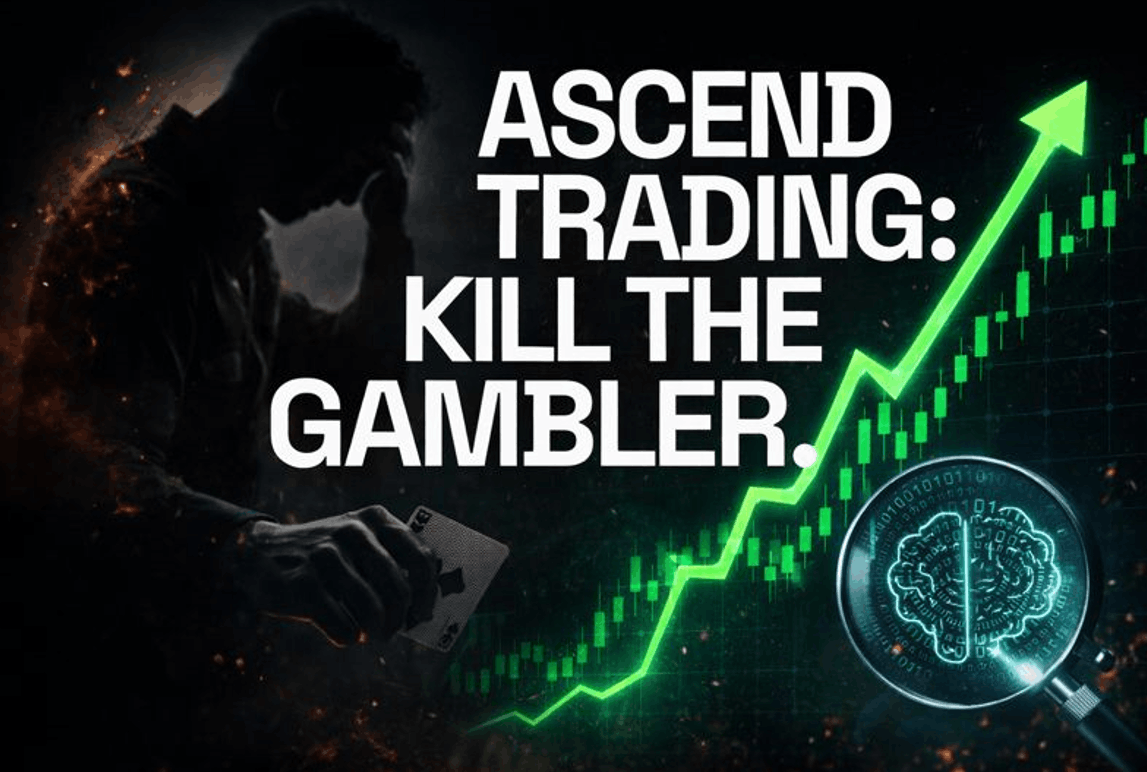
At first glance, trading and gambling can look similar. Both involve risk, uncertainty, and the possibility of reward. This surface-level comparison is exactly where many traders go wrong. When trading decisions start to resemble casino behavior, losses become predictable rather than unlucky. Understanding Why Trading Like a Casino Player Leads to Consistent Losses requires examining mindset, execution, and how probability is misunderstood in financial markets.
Many traders begin correcting this behavior by moving toward structured, rule-based environments such as Join Sharp Shooters Today, where trading is treated as a probabilistic process instead of a thrill-seeking activity.
The Casino Mindset in Trading
Casino players chase excitement. They bet on impulse, double down after losses, and believe the next outcome will “make up” for the last one. When this mindset enters trading, it shows up as overtrading, revenge trading, and oversized positions.
Instead of waiting for high-quality setups, casino-style traders feel the need to always be involved. Being in a trade feels productive, even when there is no clear edge. This constant action drains both capital and focus.
Markets punish this behavior relentlessly because they reward patience and discipline, not excitement.
Confusing Chance With Probability
One of the biggest differences between casinos and professional trading lies in probability. In a casino, the odds are fixed and mathematically tilted against the player. Over time, the house always wins.
Casino-minded traders unknowingly recreate this disadvantage for themselves. They enter trades without defined edges, risk too much on single outcomes, and rely on luck to save poor decisions. While a few wins may occur, the long-term math works against them.
This misunderstanding is central to Why Trading Like a Casino Player Leads to Consistent Losses, because probability only works in your favor when risk and expectancy are controlled.
Chasing Losses and the Revenge Trap
In casinos, losing players often increase their bets to recover losses quickly. This emotional reaction feels logical in the moment but is mathematically destructive.
In trading, revenge behavior appears after a losing trade or losing day. Traders abandon their plans, increase position size, or force low-quality setups. The goal shifts from executing well to “getting money back.”
This behavior compounds losses. Instead of one controlled setback, traders experience a cascade of poor decisions driven by emotion rather than logic.
No Edge, Just Hope
Casino games are built on hope. Players hope the next card, spin, or roll will go their way. Traders who behave like casino players operate the same way.
They enter trades without clearly defined reasons, risk parameters, or statistical backing. Hope replaces analysis. When trades move against them, they hold on longer than planned, believing the market will turn around.
Hope is not a strategy. In trading, it is often a warning sign that structure is missing.
Overvaluing Short-Term Wins
Casino players often remember wins more vividly than losses. A lucky streak reinforces risky behavior, even if the overall outcome is negative.
Traders fall into the same trap. A few winning trades taken impulsively can convince them that their approach works. This false confidence encourages larger risks and looser discipline.
Eventually, probability reasserts itself. Without structure, the inevitable drawdown wipes out previous gains and more.
This pattern reinforces Why Trading Like a Casino Player Leads to Consistent Losses over time, regardless of occasional success.
Ignoring Risk as a Core Variable
Casinos strictly control risk. Players do not. Ironically, many traders behave the same way as gamblers by ignoring risk limits.
Casino-style traders focus almost entirely on potential reward. They ask how much they can make, not how much they can lose. Stops are moved, risk per trade fluctuates, and exposure grows during emotional moments.
Professional traders do the opposite. They define risk first and accept losses as part of participation. Without this mindset, trading becomes unsustainable.
Emotional Highs and Lows
Casinos are designed to stimulate emotion. Lights, sounds, and fast outcomes keep players engaged. Trading can create similar emotional swings when approached incorrectly.
Excitement during wins leads to overconfidence. Frustration during losses leads to impulsive decisions. These emotional extremes reduce clarity and increase error rates.
Consistent traders aim for emotional neutrality. When trading feels boring, it is often being done correctly.
Treating Trading as Entertainment
One of the most damaging beliefs is treating trading as entertainment. Casino players pay for excitement, not consistency. When traders seek stimulation, they unconsciously accept losses as the “cost” of action.
Professional trading is not entertaining. It is repetitive, structured, and often uneventful. Those who crave excitement usually struggle because they prioritize feeling over performance.
This distinction explains Why Trading Like a Casino Player Leads to Consistent Losses even for traders with access to good tools and information.
The Absence of Process
Casino players do not follow processes. Each bet is independent and emotionally driven. Traders who act the same way lack repeatable frameworks.
Without a process, there is no way to evaluate performance objectively. Wins and losses blend together without insight. Improvement becomes impossible because there is nothing stable to refine.
Process turns randomness into probability. Without it, trading remains a guessing game.
Long-Term Consequences of Casino Behavior
Casino-style trading does not usually fail immediately. It fails slowly and quietly. Small wins encourage risk. Losses accumulate gradually. Confidence erodes. Capital shrinks.
Eventually, traders either quit or blame external factors. Rarely do they recognize that behavior, not markets, caused the outcome.
Understanding Why Trading Like a Casino Player Leads to Consistent Losses helps traders break this cycle before damage becomes irreversible.
Replacing Gambling With Structured Decision-Making
The alternative to casino behavior is not perfection. It is structure. Defined risk, consistent sizing, clear criteria, and acceptance of uncertainty transform trading into a probabilistic business.
When traders stop chasing outcomes and start executing processes, results stabilize. Losses become manageable. Wins compound naturally. Emotional swings flatten.
Trading shifts from entertainment to execution.
Final Thoughts
Trading and gambling may look similar on the surface, but their foundations are opposite. Gambling relies on chance and emotion. Trading demands structure and discipline. Understanding Why Trading Like a Casino Player Leads to Consistent Losses reveals that most failures are behavioral, not technical.
Traders who abandon excitement, define risk, and commit to process give probability room to work. In markets where uncertainty is unavoidable, discipline is the only edge that endures.