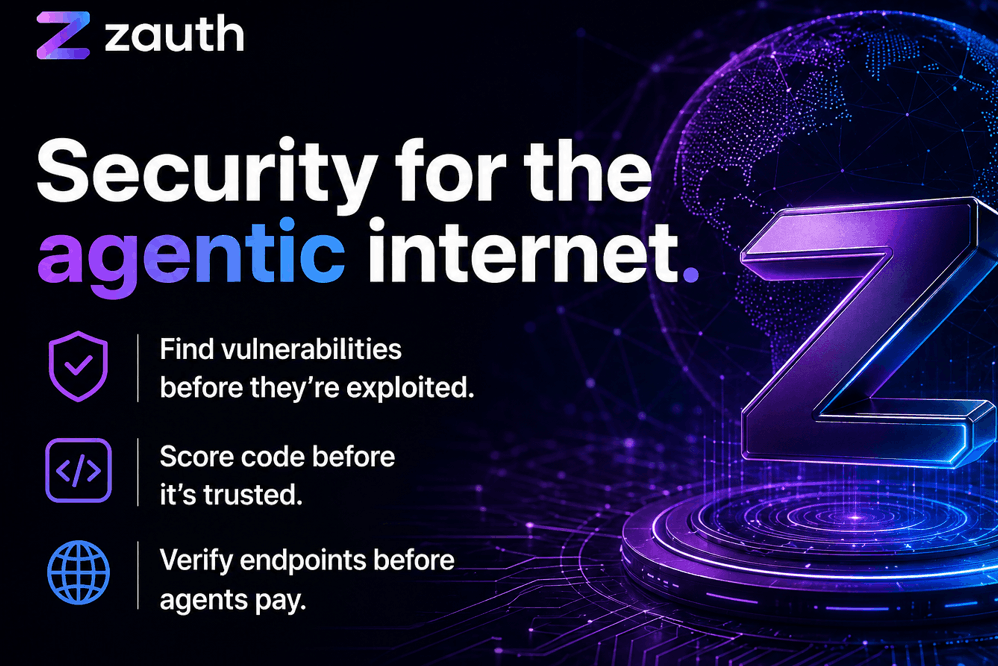
Artificial intelligence is becoming a core part of modern software systems. AI agents are now capable of making decisions, interacting with services, and executing tasks without constant human supervision. While this level of automation brings efficiency and scalability, it also introduces new risks. Systems that operate independently are more exposed to hidden vulnerabilities. This is why AI Agent Security Tools play a crucial role in preventing critical issues before they escalate.
In traditional software, vulnerabilities are often identified during testing or after deployment. However, AI-driven systems behave differently. They operate dynamically, interact with multiple components, and adapt based on data. This makes it harder to detect risks using conventional methods. Preventing vulnerabilities in such systems requires a proactive and continuous approach.
One of the most common sources of vulnerabilities is unverified code. Many applications rely on open-source libraries and third-party dependencies to speed up development. While this approach is efficient, it can introduce hidden risks. Code may contain bugs, outdated logic, or even malicious modifications. Without proper verification, these issues can go unnoticed.
AI Agent Security Tools help address this problem by scanning code and dependencies continuously. They identify vulnerabilities, detect unusual patterns, and verify the authenticity of code. This ensures that applications are built on secure foundations. By catching issues early, developers can fix them before they affect the system.
Another critical area is data integrity. AI agents rely heavily on data to make decisions. If the data is inaccurate, manipulated, or outdated, the system’s output will be unreliable. In some cases, this can lead to incorrect decisions that disrupt operations or cause financial loss. Ensuring that data is trustworthy is essential for maintaining system reliability.
Security tools help validate data sources and monitor data quality in real time. They can detect anomalies, identify inconsistencies, and ensure that only reliable data is used. This reduces the risk of errors and improves the accuracy of AI-driven decisions.
External interactions also introduce vulnerabilities. AI agents frequently communicate with APIs and external services to perform tasks. These endpoints may not always be secure. They can experience downtime, latency issues, or security breaches. If an AI agent relies on an unreliable endpoint, it can lead to system failures or incorrect outputs.
AI Agent Security Tools monitor these interactions and evaluate the reliability of endpoints. They track performance, detect failures, and prevent agents from interacting with risky services. This helps maintain system stability and reduces exposure to external threats.
Speed is another factor that makes vulnerability prevention challenging. AI agents operate in real time, processing and acting on information much faster than humans. While this improves efficiency, it also means that vulnerabilities can spread quickly. A single issue can affect multiple systems within seconds.
To manage this risk, security tools use continuous monitoring and automated responses. They can detect unusual behavior, identify potential threats, and take action immediately. This prevents vulnerabilities from escalating into larger problems.
The interconnected nature of modern systems adds another layer of complexity. AI agents often operate within networks where multiple systems interact and share data. In such environments, a vulnerability in one component can affect others. This creates a chain reaction that can disrupt entire systems.
Security tools provide visibility across these networks. They monitor interactions, verify components, and ensure that each part of the system meets security standards. This helps prevent vulnerabilities from spreading across the network.
Trust scoring is an effective method for reducing risk. By assigning measurable scores to different components, systems can evaluate their reliability. AI agents can use these scores to decide whether to interact with a particular service or rely on specific data. This dynamic approach helps prevent risky interactions.
Automation plays a key role in vulnerability prevention. As systems grow, manual monitoring becomes less effective. Security tools automate the process of detecting and addressing vulnerabilities. They can analyze large volumes of data, identify risks, and respond quickly. This ensures that security keeps pace with system complexity.
Developers also play an important role in preventing vulnerabilities. They need to adopt a security-first mindset and integrate security practices into every stage of development. This includes verifying dependencies, testing systems regularly, and using reliable tools. By doing so, they can reduce the likelihood of vulnerabilities.
Education and awareness are equally important. Many developers are still adapting to the challenges of AI-driven systems. Understanding how vulnerabilities occur and how to prevent them is essential. Security tools provide insights that help developers learn and improve their practices.
Regulatory requirements may further emphasize the importance of vulnerability prevention. As AI systems become more widespread, organizations are expected to follow security standards. Using proper tools can help developers meet these requirements while maintaining system performance.
Financial systems highlight the impact of vulnerabilities. AI agents are increasingly used in transactions, trading, and asset management. These systems operate in real time and handle significant value. A single vulnerability can lead to immediate and irreversible losses. Preventing such risks is critical for maintaining trust.
Despite these challenges, AI systems offer significant benefits. They can improve efficiency, reduce costs, and enable new innovations. However, these benefits depend on the reliability of the systems. Without proper security, vulnerabilities can undermine progress.
AI Agent Security Tools provide a structured approach to preventing vulnerabilities. They focus on verification, monitoring, and proactive risk management. By identifying issues early, they help create a safer environment for AI-driven systems.
As technology continues to evolve, the importance of preventing vulnerabilities will only increase. AI agents will play a larger role in shaping digital ecosystems, making security a top priority. Ensuring that systems operate safely and reliably is essential for long-term success.
In conclusion, preventing critical vulnerabilities in AI-driven systems requires a proactive and comprehensive approach. AI Agent Security Tools offer the capabilities needed to address these challenges effectively. By verifying components, monitoring interactions, and automating responses, they help protect systems from potential risks.
The future of AI depends not only on innovation but also on security. By adopting the right tools and practices, developers and organizations can build systems that are both powerful and trustworthy.