When it comes to playground safety and durability, rope quality plays a far more critical role than most buyers realize. Whether installed in schools, parks, residential societies, or adventure zones, climbing nets are only as strong as the ropes used to manufacture them. Experienced Climbing Net Manufacturers understand that rope selection determines not just performance but also long-term safety, weather resistance, and overall lifecycle cost.
In this rope quality guide, we explore expert insights into what truly defines a high-grade climbing rope, how it is tested, and what buyers should look for before making a purchase.
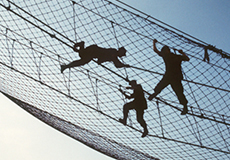
Why Rope Quality Matters in Climbing Nets
Climbing nets are dynamic structures. They endure constant pulling, twisting, jumping, and weight-bearing. Poor-quality rope can:
- Fray quickly
- Lose tensile strength
- Fade or weaken under UV exposure
- Become brittle due to moisture and temperature changes
- Pose serious safety risks
Professional Climbing Net Manufacturers prioritize rope durability because it directly impacts child safety and compliance with playground standards. Investing in high-quality rope reduces maintenance costs and extends the usable life of the equipment.
Types of Ropes Used in Climbing Nets
Not all ropes are created equal. The choice of material significantly influences strength and durability.
1. Polypropylene (PP) Rope
Polypropylene is widely used due to its lightweight nature and resistance to moisture. It does not absorb water easily, making it suitable for outdoor installations.
Advantages:
- Cost-effective
- Water-resistant
- Good chemical resistance
However, untreated PP rope may degrade under prolonged UV exposure unless specially stabilized.
2. Polyester Rope
Polyester ropes are known for their superior strength and excellent UV resistance. They maintain structural integrity even in harsh weather conditions.
Advantages:
- High tensile strength
- Minimal stretching
- Strong UV resistance
This makes polyester rope ideal for commercial playground installations.
3. Nylon Rope
Nylon offers exceptional elasticity and load absorption capacity.
Advantages:
- High shock absorption
- Strong and durable
- Flexible under heavy load
However, nylon absorbs moisture, which may slightly reduce its strength over time if not properly treated.
Key Rope Quality Indicators
Experienced manufacturers evaluate rope quality based on several technical factors:
1. Tensile Strength
Tensile strength refers to the maximum load a rope can handle before breaking. High-quality climbing nets are designed to withstand dynamic loads, including multiple children climbing simultaneously.
Reliable Climbing Net Manufacturers conduct load-bearing tests to ensure compliance with safety requirements.
2. UV Stabilization
Outdoor climbing nets are exposed to sunlight year-round. UV radiation can weaken synthetic fibers over time. UV-stabilized ropes retain their strength and color even after prolonged exposure.
When selecting climbing nets, always confirm that the ropes are UV-treated.
3. Abrasion Resistance
Children’s footwear, friction from metal connectors, and repeated movement can cause rope wear. High abrasion resistance ensures the rope does not fray prematurely.
4. Knot Stability & Braiding Quality
The way rope strands are braided affects its structural integrity. Tight, uniform braiding improves durability and reduces internal fiber damage.
Manufacturing Process That Ensures Rope Quality
Professional Climbing Net Manufacturers follow a systematic production process:
- Material Selection: High-grade polymer fibers are sourced.
- Twisting & Braiding: Advanced machinery ensures uniform tension.
- Heat Setting: Ropes are heat-treated to maintain shape and strength.
- UV Treatment: Protective coating is applied.
- Load Testing: Each batch undergoes strength testing.
- Final Inspection: Visual and manual checks ensure no defects.
This multi-step quality control process guarantees safety and longevity.
Safety Standards and Compliance
Climbing nets must comply with recognized playground safety guidelines. Though standards may vary depending on region, reputable manufacturers always adhere to:
- Load-bearing capacity norms
- Non-toxic material usage
- Smooth finishes without sharp edges
- Secure joint and connector systems
Safety compliance is not optional—it is essential.
How to Identify High-Quality Climbing Nets
If you are a buyer evaluating products, here are some practical checks:
- Ask for tensile strength certification
- Confirm UV resistance treatment
- Inspect rope thickness consistency
- Check for smooth yet firm braiding
- Request load testing reports
Trusted Climbing Net Manufacturers are transparent about their materials and testing procedures.
Weather Resistance: A Critical Factor in India
India’s climate varies from extreme heat to heavy monsoons. Ropes must withstand:
- High temperatures
- Humidity
- Rainwater exposure
- Dust accumulation
Polyester and UV-treated polypropylene ropes are commonly preferred for Indian outdoor installations due to their climate resilience.
Maintenance Tips for Long Rope Life
Even the best ropes require periodic maintenance. Here are expert recommendations:
- Conduct monthly visual inspections
- Check for frayed strands
- Clean with mild soap and water
- Avoid harsh chemicals
- Tighten loose connectors
Preventive maintenance significantly extends rope lifespan and ensures continued safety.
Custom Rope Specifications for Different Applications
Not all climbing nets serve the same purpose. Rope specifications may vary depending on:
- Age group of users
- Height of installation
- Indoor vs outdoor setup
- Load requirements
- Structural design
Experienced Climbing Net Manufacturers offer customized solutions tailored to the specific project environment.
The Cost vs Quality Debate
Lower-cost ropes may appear attractive initially but often lead to:
- Higher maintenance expenses
- Frequent replacements
- Safety risks
- Reputational damage
Investing in superior rope quality ensures long-term savings and peace of mind.
Conclusion
Rope quality is the backbone of any climbing net structure. From tensile strength and UV protection to abrasion resistance and compliance testing, every detail matters. By understanding these essential factors, buyers can make informed decisions and ensure safe, durable playground installations.
Partnering with experienced Climbing Net Manufacturers ensures that every rope used meets strict quality benchmarks. When safety, durability, and long-term value are priorities, rope quality should never be compromised.
Other Recommendations: Anti Bird Net Manufacturers