Aerial Architectural Photography
In today’s rapidly evolving world of technology, drones have become essential tools across various fields—from agriculture and emergency services to creative visual production. One of the domains that has significantly benefited from this advancement is aerial architectural photography—a modern approach that has reshaped how we perceive and engage with built environments. No longer are architects, designers, and investors limited to 2D plans or ground-level images; now, a view from above offers a broader, more insightful perspective.
A Vision Beyond Ground Level
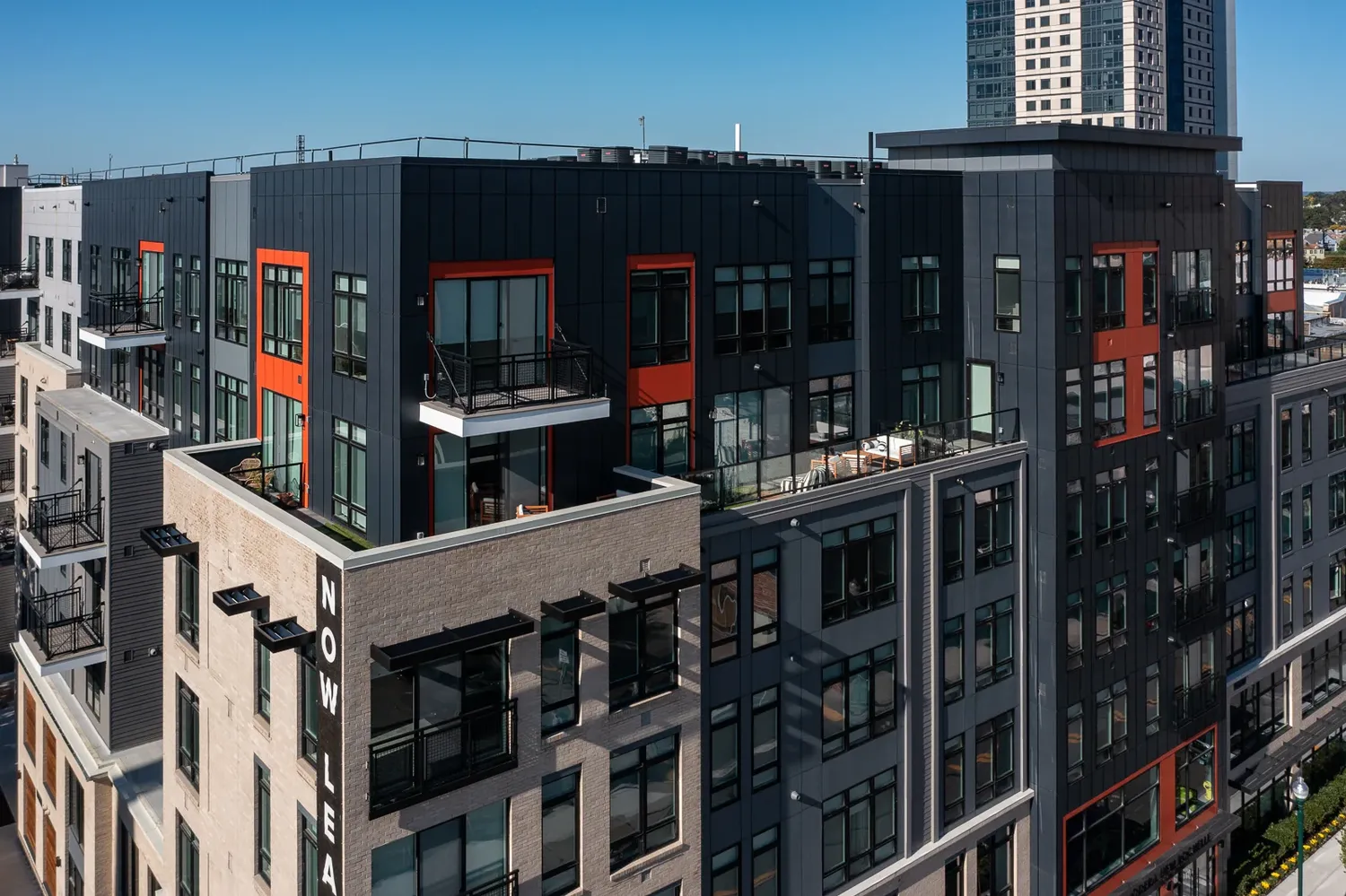
One of the greatest advantages of drones in architecture is the ability to observe projects from angles that were once only accessible via helicopters or satellite imagery. With just a small drone, one can examine a building’s facade, urban context, its relationship with surrounding environments, and even its visual impact on natural or man-made landscapes in remarkable detail.
A Tool for Analysis and Evaluation
Beyond aesthetics, aerial photography and videography have become analytical tools for architects. From the initial site selection to progress tracking and final documentation, aerial visuals help clarify design decisions and enhance collaboration between designers, clients, and even the public.
Redefining Aesthetics in Contemporary Architecture
Drone-captured imagery has also helped redefine our understanding of beauty in architecture. Structures that may seem ordinary from the ground can appear unique and artistic from above. This new visual perspective encourages architects to pay closer attention to volumetric forms, rooflines, and how buildings interact with open space.
A Powerful Asset for Marketing and Branding
In today’s competitive landscape, showcasing architectural projects professionally plays a major role in branding for design and construction firms. Aerial videos—with smooth movement, wide framing, and natural lighting—have become essential content for websites, social media, and promotional platforms. Nothing conveys the grandeur of a building quite like a cinematic bird’s-eye view.
A Bright Future Above the Design Horizon
With ongoing advancements in AI, camera resolution, and flight technology, aerial imaging is set to become an inseparable part of the architectural design and construction process. From 3D modeling to light and climate simulations, these tools will continue to open new frontiers for architects and urban planners.