In today's world, where the line between art and technology is becoming thinner every day, tools like drones have opened a new window to perceive the beauty of architecture. Architecture, from the past to the present, has always been a language that expresses culture, time, place, and the perspective of its creators. However, what was once only visible from the ground can now be seen and interpreted with modern tools. In this regard, aerial architectural videography has presented an unparalleled view of form, light, shadow, and the interaction of structures with their surrounding environments.
A New Perspective on Space and Form
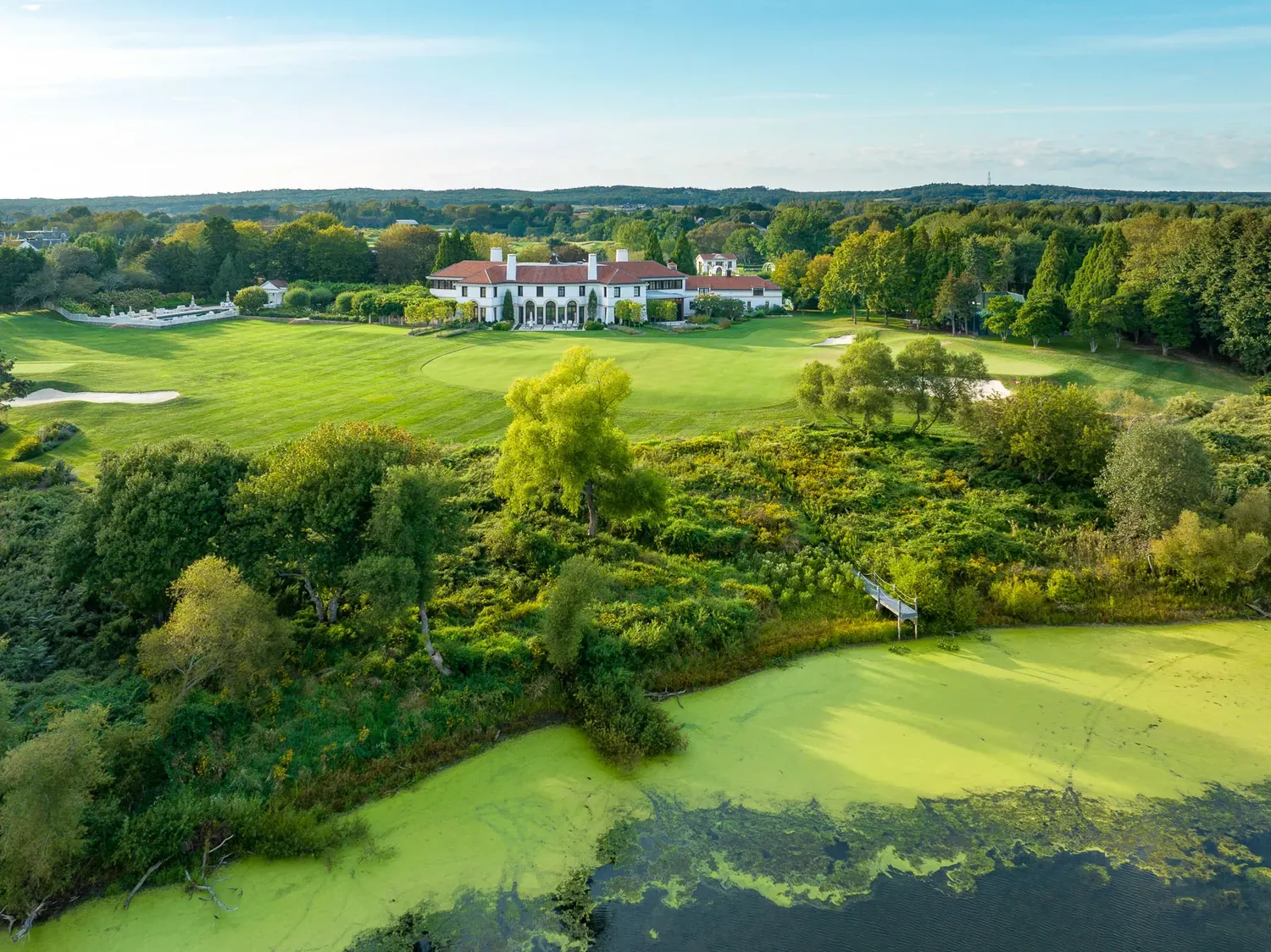
From the ground, our view is limited to horizontal sightlines or slight perspective. However, an aerial view presents a completely different angle; an angle that beautifully exposes the overall volume of the building, its proportions with the urban context, and its order or lack thereof within the fabric. Imagine a minimal white villa in the heart of a lush plain, and when viewed from above, how much purer and more conceptual it appears. The parallel lines, symmetries, breaks, and overall design cohesion in the drone frame present a new narrative of the same building we may have seen dozens of times from the ground.
In fact, the aerial frame is not just part of the image; it is a new visual language for interpreting architecture; a language that, by eliminating ground-level obstacles, focuses purely on the beauty of the structure.
Aerial Architectural Videography; More Than Just Display
Drone architectural videography is not just a tool for showcasing a project; it is a form of visual storytelling that can reflect the design concept, the architect's philosophy, and the way people experience the built space. A professional aerial video is a combination of smooth camera movements, artistic framing, natural lighting, and appropriate background music. All these elements together create a unique feeling and experience for the viewer, almost as if they are flying and discovering the building themselves.
Filming buildings at different times of the day, especially during sunrise and sunset, captures the play of light and shadow on surfaces and volumes in ways that no ground-level filming technique can achieve. This difference is precisely what distinguishes drone architectural videography from other methods of architectural documentation.
Wide Applications in Architecture, Sales, and Branding
Today, architects, construction companies, real estate consultants, and even interior design brands are making use of the capabilities of aerial videography. This form of display not only makes a project more memorable for the audience but also elevates the value of the brand. In a competitive market, presenting projects in a different way can be the key difference between success and obscurity.
Imagine a client reviewing several similar projects; the project that is presented with a dynamic and visually captivating aerial video will unconsciously leave a stronger impact. This influence is a combination of data and emotion; exactly what makes decision-making easier.
Also, in architectural competitions, presenting an aerial architectural video can play a decisive role. Judges are not only reviewing plans and drawings but also experiencing the space visually. This spatial experience can only be conveyed through aerial imagery.
Redefining Architecture in the Mind of the Audience
One of the most important effects of drone architectural videography is the redefinition of architecture in the minds of the general public. Most people are only familiar with structures from ground-level perspectives, and many of their hidden beauties remain unnoticed. But when a building is seen from above, its grandeur is more apparent, and the audience better understands how architectural design impacts space and environment.
Moreover, this type of video is highly shareable on social media platforms. The combination of stunning visual effects, music, and intelligent editing encourages the viewer to visit, share, and follow the project’s creator or architect. In this way, the architecture brand’s credibility and reputation grow organically and naturally.
Standards and Challenges in Producing Aerial Videos
While drone architectural videography is captivating and effective, it requires adherence to specific standards. Flying at the right altitude, maintaining camera stability, using appropriate optical filters, understanding the proper lighting conditions, and mastering camera movements are among the skills that only a professional team can accomplish.
On the other hand, flight permits, airspace restrictions, privacy considerations, and safety precautions must also be taken into account during the process. Combining all these factors makes drone videography a highly specialized field, and selecting a professional team is the first and most important step in capturing a lasting visual of the project.
Final Viewpoint; Beauty in the Frame, Identity in Motion
When talking about the beauty of architecture, it's not just about form and material; how it is seen and experienced is also part of its identity. The aerial frame makes it possible for architecture to not just be seen but to be "understood." This frame takes us beyond surface details, helping us connect with the soul of the design.
In an era when content consumption speed is high, professional images and videos have become the most important communication tools. If you are an architect, developer, or the owner of a unique project, perhaps it’s time to narrate the beauty of your structure from the sky.
Conclusion
Aerial architectural videography is more than just a modern filming trend; it’s a fresh perspective on space and form, a perspective where technology, art, and meaning harmoniously bring structures to life. In the aerial frame, the beauty of architecture is not just captured, but it thrives.