To ensure a smooth recovery after orthopedic foot and ankle surgery, follow these key tips: adhere to doctor's instructions, manage pain, keep the surgical area clean, elevate the foot, stay mobile within limits, use assistive devices, eat a balanced diet, stay hydrated, avoid smoking, monitor for complications, attend follow-up appointments, and be patient with your progress.
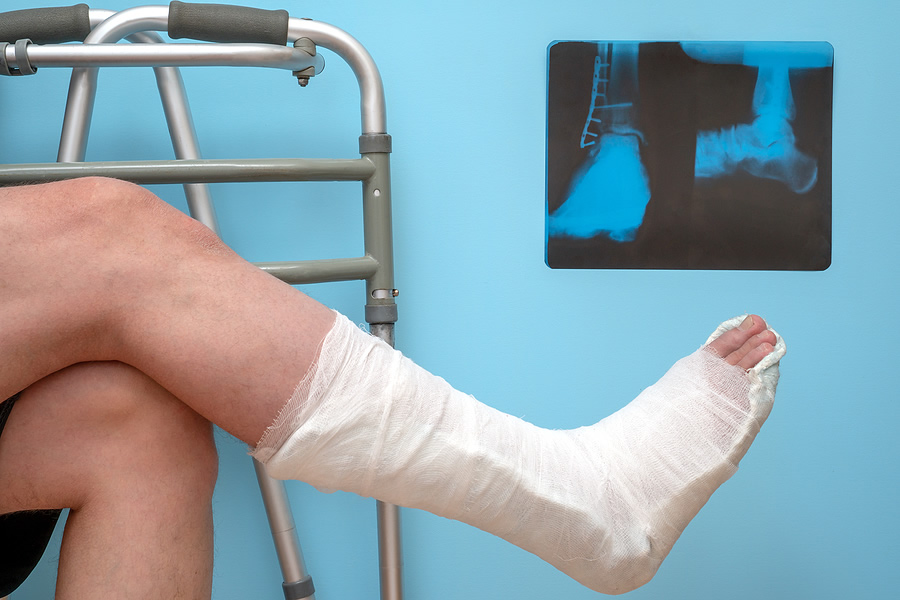
Surgery of the foot and ankle can be a difficult procedure. However, you can guarantee a more seamless and rapid recovery with the appropriate tactics and assistance. This post will give you the vital advice you need to recover from an orthopedic surgery of the foot and ankle and get back on your feet.
1. Follow Your Doctor’s Instructions
Following prescription instructions from your doctor is the most important stage in your recovery. To prevent problems and promote healing, heed their recommendations regarding medication, wound care, and activity limits.
2. Manage Your Pain Effectively
After surgery of the foot and ankle, pain management is essential. It's likely that your doctor may recommend painkillers. Take them as prescribed, and don't be afraid to talk about any problems or adverse effects. Appropriate pain management can have a big impact on your recovery process.
3. Keep the Surgical Area Clean and Dry
Keeping things clean is crucial to avoiding infection. Maintain the surgery area dry and adhere to the wound care recommendations provided. Until your doctor gives the all-clear, stay out of the water with your foot or ankle.
4. Elevate Your Foot
Following orthopedic surgery of the foot and ankle, swelling is frequently experienced. Raise your foot above your heart for several hours each day to help minimize swelling. This lessens discomfort and enhances blood circulation.
5. Stay Mobile within Limits
Although sleep is essential, moderate exercise is also vital. In order to preserve your strength and range of motion without placing undue strain on your ankle or foot, perform the physical therapy exercises as directed.
6. Use Assistive Devices
You can move around securely without putting any weight on your recovering foot or ankle by using crutches, walkers, or wheelchairs. To prevent unintentional accidents, use these devices as instructed.
7. Eat a Balanced Diet
Recovery is significantly influenced by nutrition. Healing might be aided by a well-balanced diet high in vitamins and minerals. Consume a diet rich in zinc, vitamin C, and protein to aid in tissue healing and general wellness.
8. Stay Hydrated
Water consumption is beneficial to the healing process. Drinking enough water promotes good skin and circulation, both of which are essential for the healing of wounds.
9. Avoid Smoking
Smoking can make recovery more difficult by limiting oxygen and blood supply to the tissues that are mending. If you smoke, think about giving it up to improve your recovery prospects.
10. Monitor for Complications
Keep an eye out for any signs of problems, such as drainage from the surgery site, redness, or significant swelling. Get in touch with your physician right away if you experience any strange symptoms.
11. Attend Follow-Up Appointments
Your doctor can keep an eye on your progress and modify your recovery plan as needed with routine follow-up visits. These appointments are essential to a good recovery, so don't miss them.
12. Be Patient
It takes time to recover after surgery of the foot and ankle. Remain patient with yourself and adhere to your treatment plan scrupulously. Though progress could be sluggish, perseverance will pay off.
Conclusion
It takes patience, good care, and rest to fully recover after an orthopedic surgery of the foot and ankle. You can speed up your recovery and go back to your regular activities by using the advice in this article. Always seek the advice and assistance of your healthcare practitioner for specific guidance and support during your recovery process.