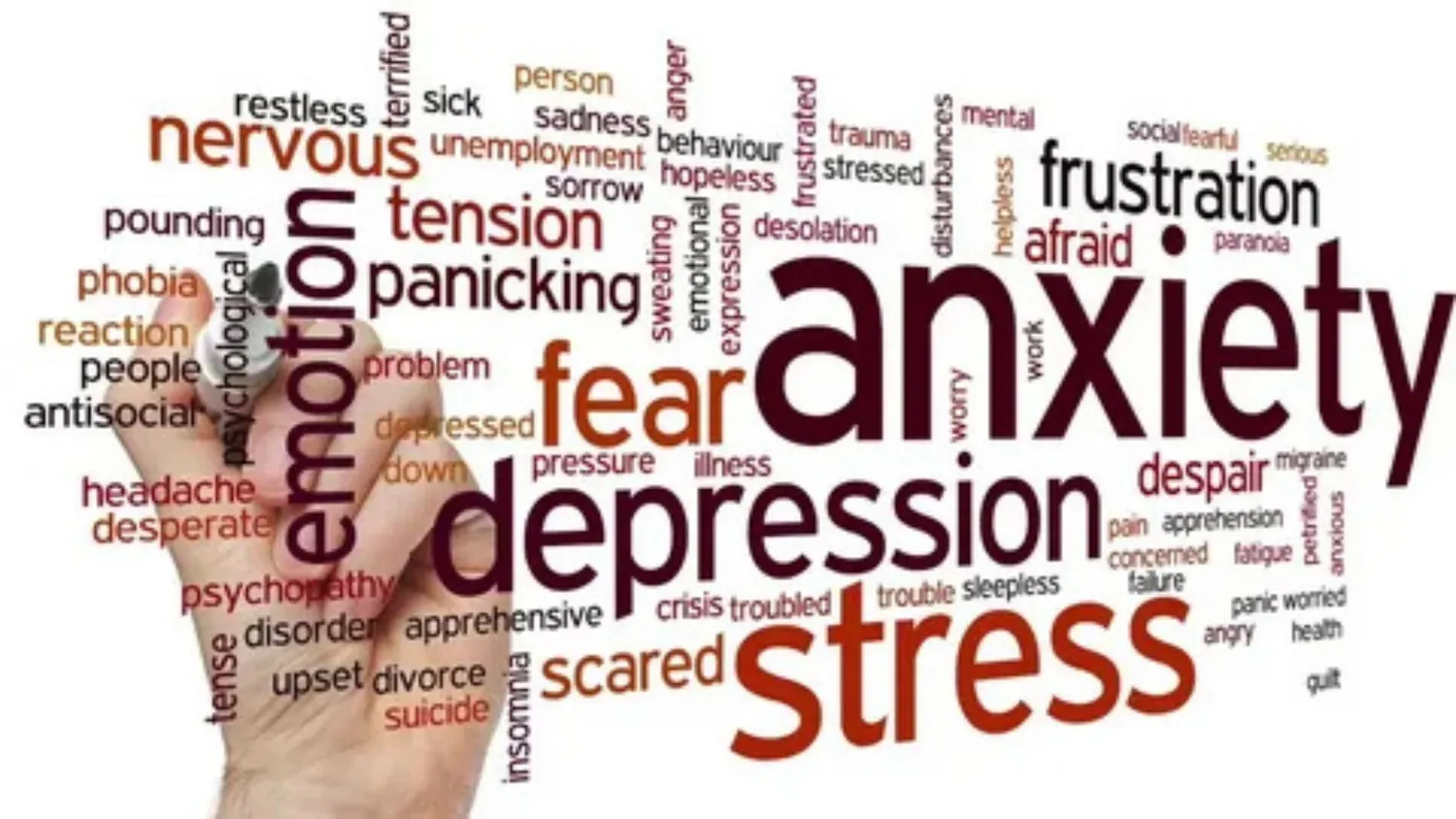
Have you ever felt sad, worried, or upset at certain times of the month for no clear reason? Many people do, and it is often connected to their reproductive cycle. Your reproductive cycle includes changes in hormones that control periods, pregnancy, and fertility. These hormones not only affect your body but can also affect your feelings. Understanding this connection is very important for taking care of both your body and your mind, which is why learning about Reproductive Mental Health is so helpful.
What is Reproductive Mind Health?
It is the study of how changes in your body during your reproductive life affect your emotions and thoughts. Events like periods, pregnancy, fertility treatments, and menopause can all affect how you feel. Hormones like estrogen and progesterone do more than just control periods and pregnancy. They also change the levels of chemicals in your brain that control mood, such as serotonin and dopamine.
For example, some people have a condition called premenstrual dysphoric disorder or PMDD. This condition causes very strong mood swings, sadness, or anxiety before their period. After giving birth, some people experience postpartum depression or anxiety. These examples show that reproductive mental health is very important for overall well-being.
How Hormones Affect Your Mood?
Hormones are chemicals that travel in your body and send signals to different parts. Changes in estrogen and progesterone can affect your mood in a big way. Estrogen helps your brain make serotonin, which helps you feel happy and calm. When estrogen levels drop, such as before a period or after giving birth, serotonin drops too. This can make you feel sad, worried, or irritated.
Progesterone usually helps you feel calm, but if it is too high or too low, it can make you feel anxious, restless, or moody. These hormone changes explain why some people feel emotional changes at certain times in their reproductive cycle.
Mental Health During Fertility Treatments
People who go through fertility treatments like IVF, or in vitro fertilization, may have even more emotional challenges. IVF involves taking strong hormones and going through medical procedures to help someone get pregnant. The process can be stressful and sometimes frightening.
This is where an IVF mental health consultation can help. Mental health professionals provide guidance to manage anxiety and sadness during fertility treatments. They teach ways to cope with stress, help you notice signs of depression or anxiety early, and give support that is specific to the challenges of IVF. Research shows that mental health support during fertility treatments can even improve treatment outcomes. This shows how mental health and reproductive health are connected.
Signs Your Mood Might Be Linked to Your Reproductive Cycle
It can be helpful to notice patterns in your feelings. Signs that your anxiety or depression may be linked to your reproductive cycle include:
- Feeling sad, angry, or upset at the same time in your cycle
- Feeling very worried or nervous around ovulation, periods, or fertility treatments
- Feeling low in energy or hopeless during certain hormonal changes
- Feeling emotional distress after reproductive events like IVF or giving birth
Keeping a simple journal of your mood alongside your reproductive cycle can help you and your doctor see patterns. This makes it easier to get the right support.
How to Support Reproductive Mental Health?
Here are some steps that can help support reproductive mental health:
- Talk to a Specialist: A mental health professional who understands reproductive issues can help assess your symptoms and create a plan to support your well-being.
- IVF Mental Health Consultation: If you are doing fertility treatments, a consultation with a mental health expert can teach you ways to handle stress and strong emotions.
- Healthy Lifestyle: Eating well, sleeping enough, and exercising can help balance hormones and improve mood.
- Stress Management: Simple practices like deep breathing, meditation, or talking with a counsellor can reduce anxiety.
- Support Networks: Sharing your experiences with family, friends, or support groups can help you feel less alone.
Breaking the Silence
Many people feel embarrassed or ashamed when they experience anxiety or depression linked to reproductive changes. It is important to understand that these feelings are not a weakness. They are a normal response to changes in hormones and the body. Talking about reproductive mental health and seeking support is very important.
Final Statement
Anxiety and depression are not always separate problems. They can be connected to changes in your reproductive cycle. Hormones affect your brain, your mood, and your overall mental health. By understanding this connection and seeking help through an IVF mental health consultation or other mental health support, you can manage these challenges better.
Reproductive mental health is just as important as physical health. Knowing how your body affects your feelings helps you take better care of yourself. Feeling sad or anxious at certain times is not something to be ashamed of. It is a part of being human and connected to your reproductive cycle. Taking care of your mental health can help you feel stronger, calmer, and more prepared for all the changes in your life.