Acquiring an electric mountain bike often begins with enthusiasm but can lead to a myriad of questions. The specifications appear impressive, reviews seem reassuring, and marketing claims promise adventure on every path. However, the true worth of an electric mountain bike only becomes evident after spending time on the trails. This article delves deeper than initial impressions to uncover what riders genuinely experience after living with an electric MTB, how their expectations evolve, and what truly holds significance once the novelty of a new bike wears off.
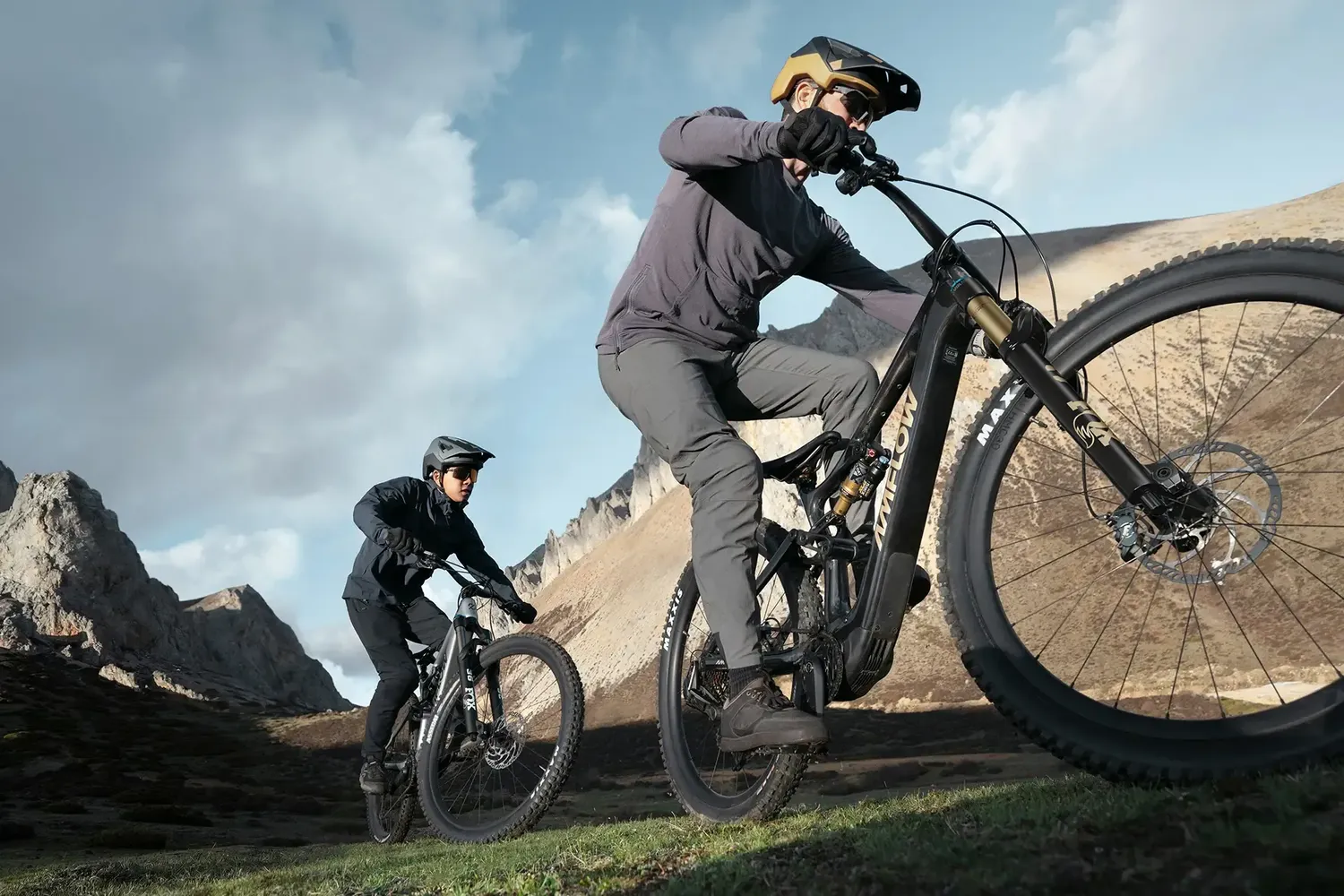
What Constitutes an Electric Mountain Bike?
An electric mountain bike is a pedal-assist bicycle crafted for off-road adventures. It incorporates a motor and battery to aid pedaling, particularly on inclines and lengthy trails. Unlike a conventional electric bike, an electric MTB offers assistance solely when the rider pedals, maintaining control, balance, and trail sensation while enhancing range and minimizing fatigue.
An electric mountain bike still requires skill and effort; it merely redistributes that effort more evenly.
The Initial Ride: Anticipations vs. Reality
Most riders anticipate immediate power and effortless riding.
What they actually experience is control.
The motor does not dominate. Instead, it reacts. Assistance builds progressively, aligning with cadence and pressure. Riders soon discover that the bike feels heavier at lower speeds but surprisingly nimble once in motion.
The learning curve is brief, but the adjustment is more mental than physical.
How Riding Habits Evolve Over Time
During the initial rides, most riders opt for higher assistance levels.
By the tenth ride, patterns begin to shift:
Lower assistance on flat terrain
Moderate assistance on rolling landscapes
Higher assistance reserved for steep ascents
As time passes, riders stop pursuing speed and start focusing on energy management. The electric MTB transforms into a tool for efficiency rather than sheer force.
Why Climbing Becomes the Primary Advantage
Flat terrain resembles the experience of riding a traditional bike.
Climbing is where the electric mountain bike significantly alters the experience.
Instead of laboring in low gear, riders:
Maintain traction
Remain seated longer
Stabilize heart rates
This transformation influences how riders plan their routes. Elevation gain becomes less daunting, granting access to trails that were previously avoided.
Battery Awareness Becomes Instinctual
Initially, riders frequently monitor battery levels.
Eventually, it becomes second nature.
Experienced riders:
Automatically adjust assist modes
Comprehend how terrain impacts range
Recognize when to conserve energy
Battery management evolves into a component of trail strategy, rather than a source of stress.
The Weight Dilemma: Is It Significant?
An electric mountain bike is indeed heavier. This fact is unavoidable.
However, weight is less critical than balance.
Most riders observe:
A heavier sensation when lifting the bike
A stable feeling during descents
Enhanced traction on loose surfaces
Once in motion, weight becomes less perceptible, particularly on technical trails.
Descending on an Electric Mountain Bike
Descending can surprise many first-time riders.
The added weight lowers the center of gravity, often enhancing stability. Riders report:
Increased confidence at higher speeds
Improved line control
Smoother braking
The electric MTB feels grounded rather than sluggish.
Unexpected Fitness Changes for Riders
Many believe that e-bikes diminish fitness benefits.
In reality, numerous riders find themselves riding more frequently and for extended periods.
Common results include:
Increased weekly mileage
More consistent riding habits
Reduced recovery time
Fitness improves through volume and consistency rather than peak intensity.
Group Rides Take on a New Dynamic
Mixed-ability group rides undergo significant changes.
An electric mountain bike enables riders of varying fitness levels to:
Stay together
Share routes
Eliminate constant waiting
This social advantage is one of the least highlighted yet most appreciated benefits.
The Reality of Maintenance Sets In
After the initial thrill, ownership becomes more practical.
Maintenance feels familiar:
Brake pads wear out more quickly
Drivetrains endure more torque
Suspension requires regular attention
The electrical system itself generally demands little maintenance when used properly.
What Riders Wish They Knew Prior to Purchase
After several months of ownership, common reflections arise.
Many riders wish they had:
Focused less on maximum speed
Paid more attention to torque delivery
Tested various assistance modes
Real-world riding uncovers priorities that specifications do not reveal.
Trail Etiquette and Responsibility
Owning an electric mountain bike alters how riders engage with trails.
Responsible riders:
Yield appropriately
Avoid spinning tires on climbs
Adhere to trail regulations
Good etiquette plays a crucial role in the long-term acceptance of electric MTBs.
How Electric MTBs Transform Route Planning
Routes are planned with a different approach.
Riders begin to combine:
Multiple ascents
Longer loops
Previously inaccessible connectors
An electric mountain bike broadens the map without replacing trail skills.
Seasonal Riding Becomes More Inviting
Cold or hot weather often shortens rides for many cyclists.
Electric assistance aids riders in:
Warming up more quickly
Managing fatigue in heat
Extending shoulder-season riding
This results in increased year-round trail usage.
The Mental Shift: Riding for Enjoyment, Not Survival
Traditional mountain biking often centers around endurance.
With an electric MTB, the focus shifts to:
Scenery
Flow
Technique
Riders stop tallying miles and start savoring the journey.
Where Electric Mountain Bicycles Fall Short
They are not suitable for every scenario.
Limitations include:
Bike-park jump lines favor lighter bikes
Carrying the bike upstairs
Ultra-technical trials riding
Understanding these limitations helps set realistic expectations.
Ownership Costs Over Time
The initial investment is higher, but long-term value is complex.
Riders typically spend:
Less on shuttle transport
More on maintenance components
Similar amounts on upgrades
Value is contingent on how frequently the bike is utilized.
How Riders Describe Their Experience After 100 Miles
When you ask seasoned owners, similar phrases emerge:
“More riding, less fatigue”
“I explore more trails now”
“I no longer feel rushed”
These insights hold more weight than marketing assertions.
Why Electric Mountain Bicycles Naturally Enhance EEAT
Content surrounding electric MTBs is fueled by experience.
Riders share:
Ride data
Battery management strategies
Trail insights
This firsthand knowledge fosters trust and authority organically.
The U.S. Market Perspective
In the United States, electric mountain bikes are transitioning from novelty to mainstream.
Factors driving this shift include:
Clearer trail access
Advancements in technology
Enhanced consumer education
Adoption continues to rise across various age demographics.
Who Should Contemplate an Electric Mountain Bike
Electric mountain bikes are most suitable for riders who:
Appreciate longer rides
Navigate mixed terrain
Prefer consistency over exhaustion
They serve as tools for exploration, not shortcuts.
The Future of Ownership Experience
As technology advances, ownership becomes more straightforward.
Expect:
Lighter systems
More intelligent power delivery
Better integration
The experience will continue to feel more intuitive, rather than mechanical.
Why the Second Month Holds Greater Significance Than the First
The first month is filled with excitement.
The second month is about understanding.
That’s when riders genuinely determine whether an electric mountain bike aligns with their lifestyle. Most who reach this stage continue to ride longer and more frequently.
Conclusion
An electric mountain bike reveals its true worth over time, rather than during the initial ride. As riders adapt, they uncover a different rhythm—one that emphasizes exploration, consistency, and enjoyment. The electric MTB does not eliminate effort; it removes unnecessary limitations. For those willing to learn its intricacies, the electric mountain bike becomes less about assistance and more about freedom on the trails.