The Mardi Himal Trek Difficulties are important to understand before starting your journey. This beautiful trek in the Annapurna region is gaining popularity for its peaceful trails and close-up mountain views. While it is a shorter trek compared to others in Nepal, it still comes with a few challenges. Knowing these challenges will help you prepare better and enjoy the adventure with confidence.
Altitude and Acclimatization
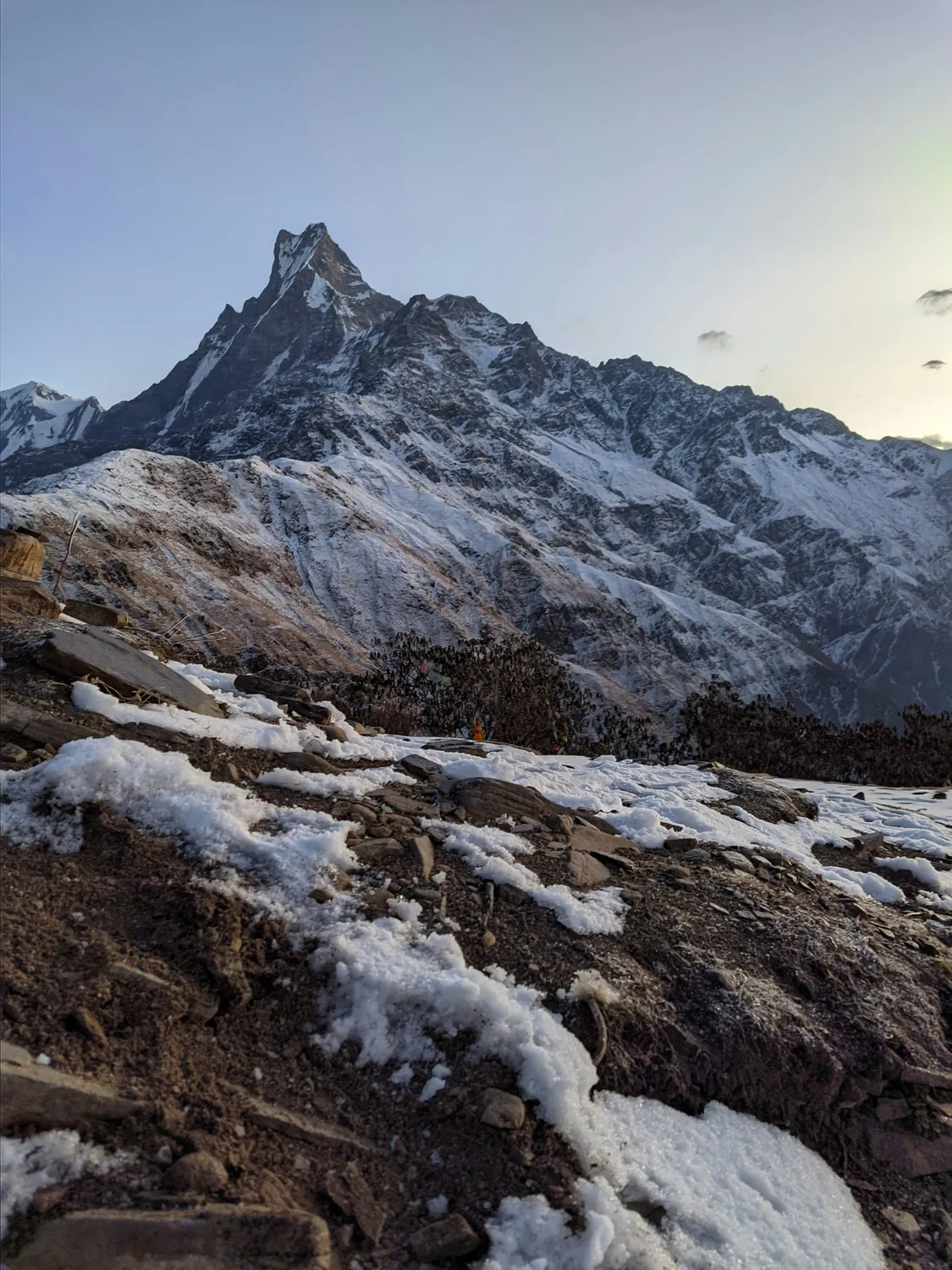
One of the main difficulties of the Mardi Himal Trek is the altitude. The highest point of the trek is Mardi Himal Base Camp, which sits at 4,500 meters. At this height, the air is thinner, and there is less oxygen. Some trekkers may feel symptoms of altitude sickness. These symptoms can include headache, tiredness, shortness of breath, and trouble sleeping.
To handle this, it is important to walk slowly, drink plenty of water, and take rest when needed. If symptoms get worse, it is better to stop climbing and descend. Proper acclimatization is the key to staying safe and healthy at high altitudes.
Weather Conditions
Weather can also add to the Mardi Himal Trek difficulties. In the mountains, weather changes quickly. It can be sunny in the morning and cloudy or rainy in the afternoon. During the colder months, temperatures drop a lot, especially at night. Snow and fog can make the trail harder to follow.
The best times to do the trek are in spring (March to May) and autumn (September to November). During these months, the weather is more stable, and the views are clear. Still, you should always bring warm clothes, rain gear, and good trekking boots.
Steep and Narrow Trails
Although Mardi Himal is not the longest trek, some parts of the trail are steep and narrow. These sections require balance and focus. You may walk through forests, rocky paths, and ridges with sharp drops. After Forest Camp, the trail becomes steeper and more exposed. Trekkers need to take each step carefully.
If you are new to trekking, it is a good idea to use trekking poles for support. Wearing proper shoes with a good grip also makes a big difference.
Physical Fitness
You do not need to be a professional climber, but the Mardi Himal Trek requires good physical fitness. You will walk for 5 to 7 hours each day. The trek includes both uphill and downhill paths. The long hours of walking, combined with high altitude, can be tiring.
Before the trek, it helps to do some basic training. Regular walking, hiking, or even climbing stairs can prepare your body. Strong legs, healthy lungs, and a positive mindset will help you complete the trek comfortably.
Limited Facilities in Higher Areas
In the lower part of the trek, teahouses are more common, and food choices are better. But as you go higher, the number of teahouses becomes less, and the choices become limited. Sometimes, rooms are full during peak season. Toilets are basic, and hot showers may not be available.
Trekkers should carry some snacks and stay flexible with their comfort expectations. A sleeping bag can help keep you warm at night.
Conclusion
Understanding the Mardi Himal Trek Difficulties helps you plan better. While the trek is not extremely hard, it still requires preparation, care, and respect for the mountains. With the right mindset and gear, this short and beautiful trek can be one of the most rewarding experiences in Nepal.