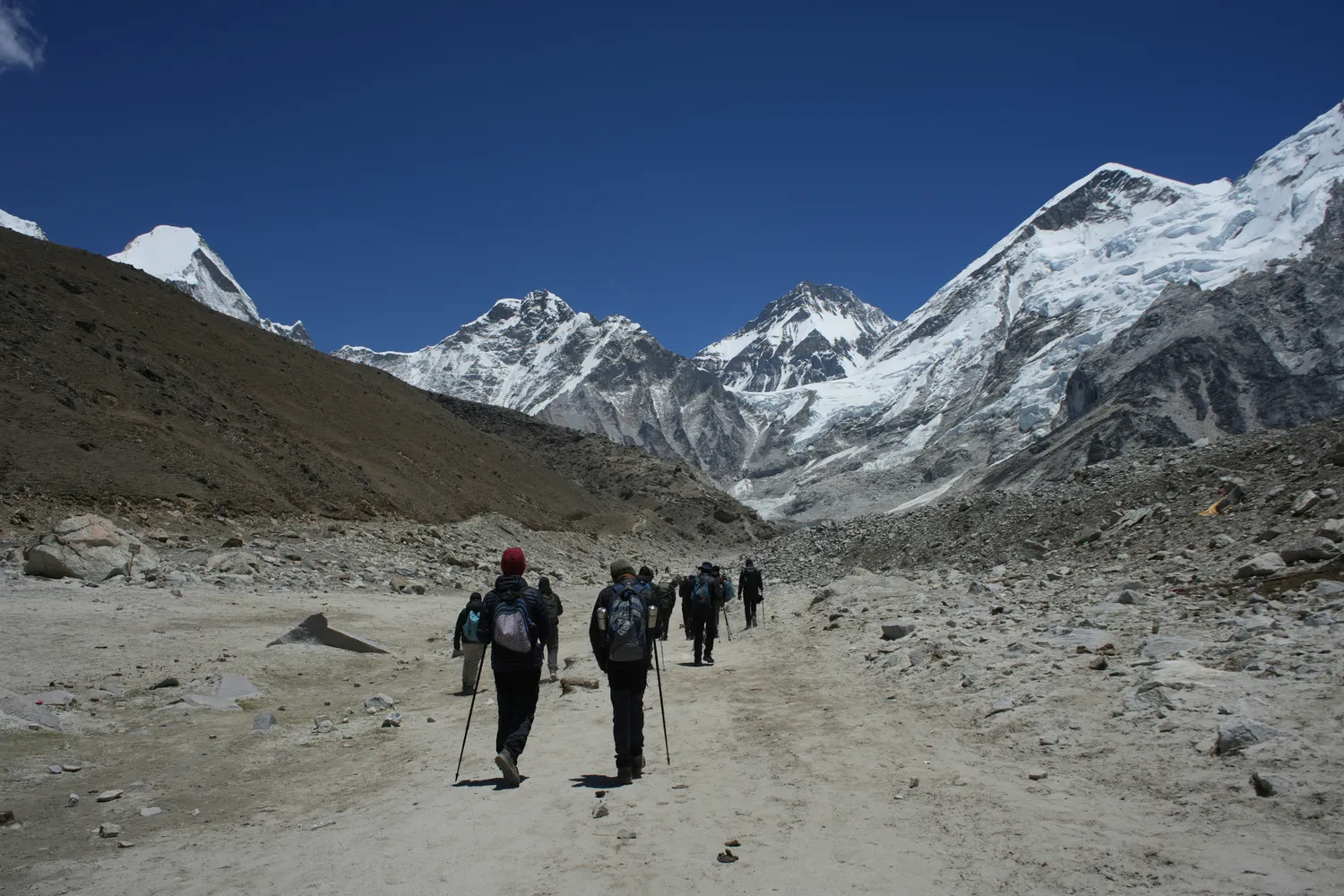
Snow-capped peaks pierce the sky, icy rivers wind through deep valleys, and every step brings you closer to the legendary Everest Base Camp. Walking these trails is not just a trek—it’s an adventure that challenges your body, inspires your mind, and fills your heart with the beauty of the Himalayas. The journey is full of thrilling views, traditional villages, and unforgettable experiences that every trekker dreams of.
Why the Everest Base Camp Trek is Iconic
The Everest Base Camp trek is one of the most famous treks in the world. It draws adventurers who want to stand near the world’s tallest peak. Unlike short treks, this route takes you deep into the Khumbu region, through Sherpa villages, Buddhist monasteries, and rugged mountain landscapes.
Along the way, you experience Sherpa culture, taste traditional food, and meet fellow trekkers from all over the globe. The trek offers a mix of natural beauty, cultural richness, and personal challenge that makes it legendary.
Trek Statistics: What to Expect
Before you go, it helps to know the key numbers. The Everest Base Camp trek usually takes 12 to 14 days for a round trip, depending on your pace. The total distance covered is about 130 kilometers (81 miles). The trek reaches its highest point at Kala Patthar, 5,545 meters (18,192 feet), which offers the best panoramic views of Everest and surrounding peaks.
High altitudes can be challenging. Proper acclimatization is crucial to prevent altitude sickness. Many trekkers include extra rest days at Namche Bazaar and Dingboche to adjust to the thin mountain air. The trail includes moderate daily walks and occasional steep climbs, making it suitable for hikers with basic fitness levels who are ready for adventure.
Villages and Culture Along the Way
One of the most rewarding parts of the Everest Base Camp trek is the people you meet. You will pass through traditional Sherpa villages like Namche Bazaar, Tengboche, and Dingboche. These villages are small but full of life, with teahouses serving warm meals and cozy rooms for trekkers.
The Sherpa people are friendly and welcoming, sharing their stories, traditions, and insights into mountain life. Visiting Buddhist monasteries along the trail, like the famous Tengboche Monastery, gives trekkers a chance to connect with the spiritual culture of the region. These cultural experiences make the trek much more than just a physical challenge.
The Thrill of High Peaks
The highlight of the trek is, of course, standing near Everest itself. While the Base Camp is at 5,364 meters (17,598 feet), many trekkers climb Kala Patthar to catch the best view. From here, Everest, Lhotse, Nuptse, and Ama Dablam dominate the horizon.
Watching the sunrise from Kala Patthar is unforgettable. The first light illuminates Everest’s massive face, and the surrounding peaks glow in golden hues. Many trekkers describe this moment as life-changing, a memory that stays with them forever.
Tips for a Successful Everest Base Camp Trek
- Acclimatize Properly: Take rest days to prevent altitude sickness.
- Pack Smart: Bring warm clothing, good hiking boots, and sun protection. Mountain weather changes quickly.
- Stay Hydrated: Drink plenty of water to adjust to high altitudes.
- Respect Local Culture: Leave no trace and be mindful of traditions.
- Plan for Flexibility: Weather can delay or change your route, so stay patient.
Why You Should Experience the Everest Base Camp Trek
The Everest Base Camp trek is more than a hike; it is a journey of discovery, challenge, and awe. It combines stunning Himalayan scenery, Sherpa culture, and the thrill of reaching the region around the world’s highest peak. Every step, every village, every view adds to a story that becomes part of your life forever.
If you dream of adventure, breathtaking mountains, and an unforgettable Himalayan experience, the Everest Base Camp trek is waiting. Step into the Himalayas, feel the thrill of the peaks, and create memories that will last a lifetime.