How Emotions Attract the Eye?
In many cities today, walking down the street means seeing many shops trying to get your attention. Some use music, some use lights, and many use images in their windows. Among all these efforts, Storefront ads is becoming more creative. It’s no longer just about showing a product, it’s about telling a story. And not just any story, but one that makes people feel something. This idea is called ambient storytelling, and it helps stores connect to people through emotion.
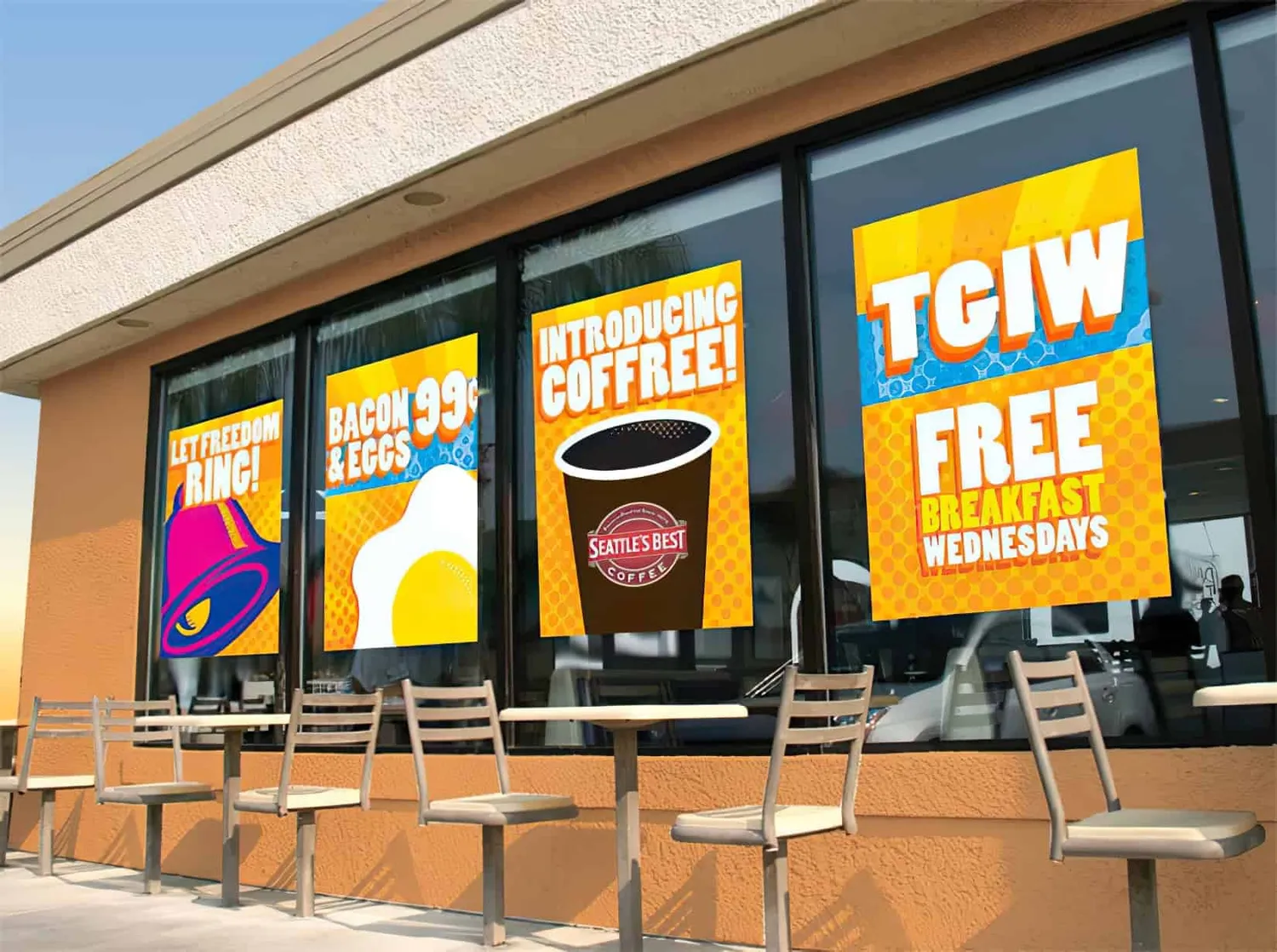
Ambient storytelling is when the story is not told directly, but is felt through the mood, colors, design, and small movements around us. It’s like entering a space and suddenly feeling calm, curious, or excited, without anyone saying a word. In storefronts, this type of storytelling uses visuals, lighting, sounds, and even scents to give people a feeling, not just information.
Why Emotion Matters in Advertising
People make most decisions based on feelings. When someone passes by a store and feels something warm, funny, or surprising, they are more likely to stop. That’s why emotionally driven design is powerful. A sad story might not make people laugh, but it can create a deep memory. A happy moment, even in just 10 seconds, can bring joy that leads to trust and action. Emotions stick in the heart longer than facts.
Creating Visual Hooks That Feel Alive
Visual hooks are the first things people see in a storefront. These can be colors, movements, faces, or small scenes. But to really work, they need to feel alive. For example:
• A clothing store with a fake rain window, where droplets fall and leave short messages like “You’ll shine inside,” makes people smile.
• A bookstore might show shadows moving behind the display, as if a story is coming alive inside.
These little touches tell stories in a soft, ambient way. They don’t explain, they suggest. That’s what makes them feel human.
Storefront Advertising as a Story Scene
Instead of seeing the window as just space for posters or products, think of it like a small movie scene. What if the display told the moment before someone buys the product? Or after they use it? A travel bag could be shown next to an open window with wind blowing the curtain, hinting at an adventure. A candle brand could show a calm bedroom with soft music and a gentle flicker of light. These are not ads. These are feelings turned into visuals.
How Ambient Storytelling Works Without Words
The beauty of ambient storytelling is that it doesn’t need much text. In fact, too many words can ruin the feeling. The goal is to show, not tell. People should feel the mood without reading a single sentence. Using slow motion videos, changing colors based on time of day, or even silence can be powerful tools.
The Role of Music, Movement, and Light
Designing emotional storefronts is not just about what you see. It’s also about what you hear and feel. A quiet guitar sound can make a flower shop feel romantic. A slow moving fan can make a fabric store feel breezy and light. Color tones matter too. Blue can feel calm, red can feel exciting, yellow can feel warm. When used with care, these tools speak without a voice.
Local shops often want to build trust and a personal connection. Ambient storytelling helps them do that without looking like they are trying too hard. It’s soft and elegant. And most importantly, it feels real. People want to feel something honest. That’s why this style works better than loud, flashy, or overly digital displays.
Tips for Designing Emotion Driven Storefronts
• Know the feeling you want to give: calm, playful, warm, exciting?
• Choose simple scenes that support that feeling.
• Use natural motion: slow, gentle, or surprising.
• Limit text: Let the design speak.
Sometimes, stores may not have high budgets. But ambient storytelling doesn’t need big screens or expensive lights. Even with paper, fabric, second hand items, and good lighting, a strong emotion can be created. The key is intention. Think like a director of a small scene, not like a salesperson.
As more people crave real world experiences after being online so much, storefront advertising has a big chance to shine. It’s physical, present, and emotional. With technology like AI and smart sensors, some stores are even adapting displays based on the time of day or the weather. Imagine a window that shows a warm home scene when it rains, and a picnic scene when it’s sunny. That’s where we’re going and emotion will always be the center.
Windows That Whisper
Ambient storytelling in storefront advertising is not about shouting for attention. It’s about whispering something beautiful, something emotional, and something memorable. In a busy world, soft and thoughtful messages often go further than loud ones. When people feel something in front of your store, they remember it. And when they remember it, they come back not just to shop, but to feel again.