Industrial valves play an essential role in the operation of energy and power industries, where they control and regulate the flow of liquids, gases, steam, and other substances critical to generating power and maintaining energy systems. Whether in power plants, oil refineries, or natural gas facilities, valves are integral to ensuring safety, efficiency, and the smooth operation of complex energy systems. As a result, the selection, maintenance, and performance of these valves are crucial for meeting the demanding requirements of energy production and distribution.
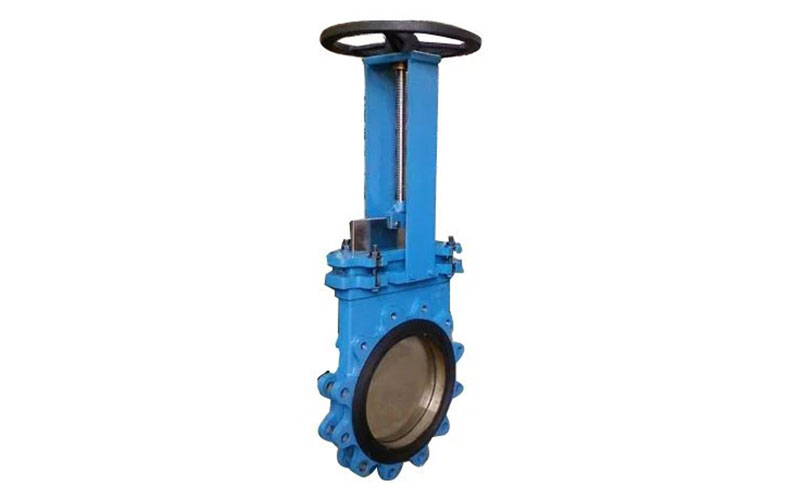
The Role of Industrial Valves in Energy and Power Production
In energy and power industries, industrial valves are used in a wide range of applications, from regulating the flow of steam in thermal power plants to managing the pressure in natural gas pipelines. These valves ensure that systems operate smoothly, safely, and at optimal efficiency levels. There are various types of industrial valves, including ball valves, gate valves, globe valves, and control valves, each serving specific purposes depending on the application.
- Flow Control: One of the most important functions of industrial valves in energy generation is flow control. In power plants, especially those using steam, water, or gas turbines, controlling the flow of steam, water, and other fluids is crucial for maintaining the operation of turbines, boilers, and cooling systems. A malfunctioning valve can disrupt the entire process, leading to downtime or even damage to critical equipment. By regulating flow, industrial valves help maintain the proper operating conditions in these systems.
- Pressure Regulation and Safety: Maintaining optimal pressure is vital in energy systems. Valves play a crucial role in regulating and controlling pressure in pipelines, boilers, and other critical systems. Pressure relief valves, for example, are used to prevent dangerous pressure buildups that could lead to equipment failure or safety hazards. Industrial valves ensure that pressure is maintained within safe levels to prevent catastrophic events like explosions or leaks.
- Preventing Leaks and Contamination: In energy production, especially in oil and gas industries, the risk of hazardous leaks can have serious environmental and safety implications. Industrial valves are designed with high integrity to prevent leaks of toxic or flammable substances. By isolating sections of a pipeline or system, valves reduce the risk of contamination and ensure that energy and power operations are both safe and environmentally responsible.
- Controlling Temperature: In many power generation systems, managing temperature is a critical task. Industrial valves, such as control valves, help regulate the temperature by adjusting the flow of steam or water to maintain stable operating conditions in boilers, heat exchangers, and cooling systems. By ensuring precise temperature control, these valves help optimize efficiency and prevent overheating, which can lead to equipment failure.
Enhancing Efficiency and Sustainability
Energy production is a highly energy-intensive process, and efficiency is key to ensuring that energy resources are utilized effectively. Industrial valves are designed to optimize the performance of power systems, leading to significant energy savings and reduced operational costs.
- Optimizing Energy Usage: Valves contribute to the efficiency of energy generation systems by controlling the flow of fuel, steam, and other materials used in power production. For example, in a coal-fired power plant, valves regulate the flow of fuel to the furnace, helping maintain combustion efficiency. In a gas turbine plant, valves manage the flow of air and fuel to optimize combustion and energy output. Efficient flow control reduces energy waste and improves the overall performance of the plant.
- Reducing Maintenance and Downtime: Regular maintenance of valves in power plants helps ensure that systems continue to run efficiently. Industrial valves manufacturers design valves with durability and reliability in mind, ensuring that they can withstand the extreme pressures and temperatures found in energy production. Well-maintained valves help prevent costly breakdowns and reduce the need for repairs, leading to less downtime and improved productivity.
- Supporting Renewable Energy: With the growing emphasis on renewable energy sources, industrial valves are also critical in supporting these systems. In wind and solar power plants, valves control the flow of fluids in heat exchangers, cooling systems, and hydraulic systems. In geothermal power generation, valves help regulate the flow of steam from underground reservoirs to the turbines. As the energy landscape evolves, industrial valves continue to play a key role in enabling the transition to more sustainable energy systems.
The Importance of Working with Experienced Industrial Valve Manufacturers
The performance of industrial valves directly impacts the safety, efficiency, and environmental footprint of energy and power industries. For this reason, selecting the right industrial valves manufacturers is critical. These manufacturers specialize in designing and producing valves that meet the stringent standards of energy production systems.
Industrial valves manufacturers use advanced materials, such as corrosion-resistant alloys, to produce valves that can withstand extreme temperatures, pressures, and chemical environments. They also provide custom solutions to address specific operational needs, ensuring that the right type of valve is selected for each application. Additionally, valve manufacturers offer essential services such as installation guidance, regular inspections, and maintenance support to keep valves operating at peak performance.
Ensuring that valves are designed to withstand the rigors of energy production also helps to reduce maintenance costs and minimize the risk of valve failure. By working with experienced manufacturers, power and energy companies can ensure that they are investing in high-quality valves that offer long-term reliability and performance.
Conclusion
Industrial valves are vital components in the energy and power industries. They ensure the safe, efficient, and continuous operation of power generation systems by controlling the flow of liquids, gases, and steam, regulating pressure, and preventing leaks. From maintaining system integrity to optimizing energy usage and reducing maintenance costs, valves contribute significantly to the overall efficiency and sustainability of energy production.
The expertise of industrial valves manufacturers is key to ensuring that valves meet the demanding requirements of energy systems. By selecting high-quality valves and maintaining them properly, energy companies can ensure the long-term reliability and safety of their operations, enabling them to meet growing global energy demands in a safe and efficient manner.