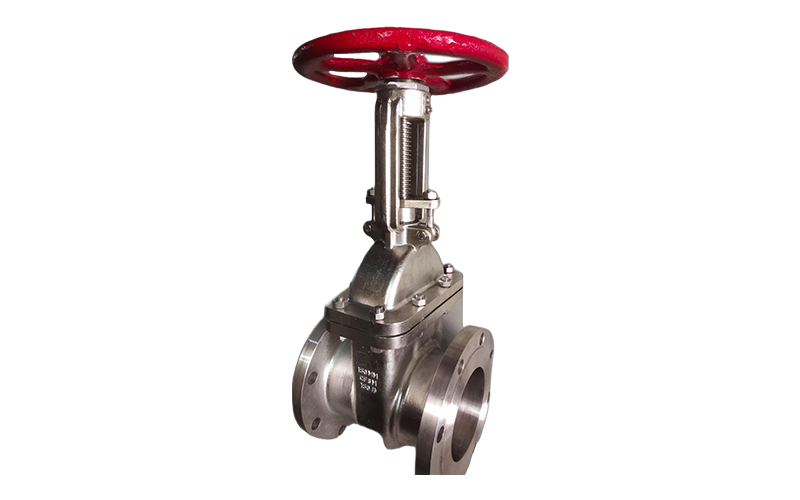
Industrial valves have long been integral to the smooth operation of various sectors, ranging from oil and gas to water treatment and pharmaceuticals. Over the years, these components have evolved significantly, reflecting the progress of engineering, materials science, and automation. From simple flow control devices in ancient civilizations to highly specialized valves in modern industries, the journey of industrial valves is a testament to innovation and adaptability.
Origins of Valve Technology
The concept of flow control dates back to ancient times. Early civilizations used rudimentary methods like wooden plugs and stone barriers to manage the movement of water in irrigation systems. As metalworking techniques improved, valves made from bronze and other metals began to appear in Roman aqueducts and public baths.
These early valves were mostly manually operated and lacked precision, but they laid the groundwork for future advancements. The Industrial Revolution brought about major changes, with the rise of steam engines requiring reliable mechanisms for pressure and flow regulation. This period marked the beginning of more sophisticated valve designs and the introduction of materials that could withstand higher temperatures and pressures.
Advancements in Design and Materials
As global industries expanded, the demand for diverse valve types grew. The 20th century saw the introduction of globe valves, gate valves, ball valves, and butterfly valves, each serving specific applications. Innovations in metallurgy allowed for the use of stainless steel, alloy steel, and other corrosion-resistant materials, extending the lifespan of valves and improving their performance in aggressive environments.
Elastomeric seals and PTFE linings also emerged during this era, enhancing leak-tight performance and chemical resistance. These improvements helped valves become more efficient and dependable, especially in sectors where safety and hygiene are critical, such as food processing and pharmaceuticals.
Integration of Automation and Control Systems
The next significant shift came with the integration of automation. Pneumatic, electric, and hydraulic actuators began to replace manual handwheels, allowing for faster and more accurate control. Automation not only reduced human error but also enabled remote operation, paving the way for sophisticated process control systems.
With the advancement of sensors and digital control technologies, valves could now be monitored and adjusted in real-time. This integration allowed industries to increase efficiency, reduce downtime, and respond swiftly to changing operational conditions.
Current Trends in the Global Valve Industry
Today, the global valve industry is driven by the need for sustainability, energy efficiency, and compliance with stringent safety standards. Valves now play a crucial role in helping facilities meet environmental regulations by preventing leaks and optimizing energy use.
Modern valve designs focus on modularity, compactness, and reduced maintenance requirements. The development of smart valves, equipped with sensors and communication capabilities, allows predictive maintenance and performance monitoring, reducing unexpected failures and increasing system reliability.
Furthermore, the shift towards green energy has created a demand for valves that can perform in hydrogen, geothermal, and carbon capture applications. This has led to further innovation in materials and sealing technologies.
The Role of Valve Manufacturing Hubs
Manufacturing hubs around the world have contributed to the growth and innovation of the valve industry. In India, cities like Ahmedabad have emerged as major centers of valve production. A valve manufacturer in Ahmedabad typically combines traditional engineering expertise with modern manufacturing techniques, serving both domestic and international markets.
These manufacturers often focus on quality standards, custom solutions, and global certifications, allowing them to compete on a worldwide scale. Their contribution to the industrial valve sector has helped meet the growing demand from refineries, power plants, and infrastructure projects.
Conclusion
The evolution of industrial valves mirrors the progress of global industries themselves. From ancient water systems to complex automated networks, valves have transformed into highly engineered components that ensure the safety, efficiency, and sustainability of countless processes.
As technology continues to advance, the future of industrial valves looks promising. With ongoing innovations in materials, smart systems, and environmentally conscious designs, valves will remain a foundational element in the infrastructure of tomorrow’s industries.