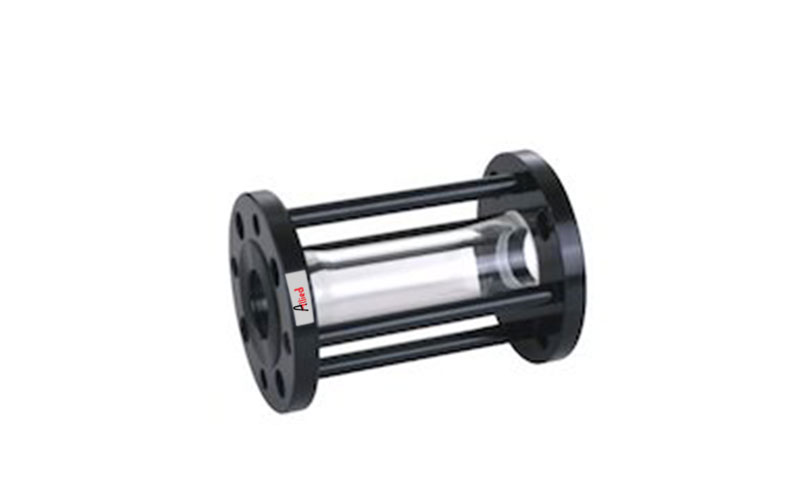
In many industrial operations, visual inspection of fluids, gases, and internal processes is essential. Sight glasses provide a reliable way to observe these processes in real time without interrupting the system. From chemical plants to food processing units, selecting the right sight glass can significantly improve safety, efficiency, and system longevity. Whether you operate in pharmaceuticals, oil and gas, or manufacturing, partnering with the right Sight Glass Manufacturer in Ahmedabad ensures that your equipment meets high-quality standards and is suited to your specific applications.
Understanding the Role of a Sight Glass
A sight glass is a transparent window installed in tanks, pipelines, or vessels, allowing operators to visually inspect contents such as liquid levels, clarity, and flow conditions. In high-stakes environments, this simple component becomes vital for monitoring performance and avoiding costly failures. Choosing an inappropriate sight glass can lead to problems such as chemical incompatibility, pressure failure, or obstructed views.
Key Factors to Consider When Choosing a Sight Glass
1. Application Requirements
Start by analyzing your industrial process. Are you monitoring corrosive chemicals? Will the sight glass be subjected to extreme temperatures or pressures? Will it be used indoors or in an outdoor setting where weather may impact performance?
Applications vary greatly across industries. For example:
- Food and beverage: Requires sanitary fittings and easy cleaning.
- Chemical processing: Needs high chemical resistance.
- Pharmaceuticals: Demands sterile, contamination-free viewing.
A customized approach to sight glass selection is necessary for each use case..
2. Types of Sight Glasses
There are several types of sight glasses to choose from:
- Tubular Sight Glass: Best for checking fluid levels in tanks.
- Window Sight Glass: Mounted in pipelines or tanks for direct viewing.
- Circular or Full-View Sight Glass: Offers 360-degree visibility.
- Fused Sight Glass: Designed for high-pressure or high-temperature applications, often seen in steam or reactor vessels.
Each type has advantages depending on installation space, visibility requirements, and durability needs.
3. Material Compatibility
Material selection is critical. The sight glass should be compatible with the chemical nature of the fluid or gas inside the system. Common glass types include:
- Borosilicate glass: Excellent thermal and chemical resistance.
- Quartz glass: Superior for very high temperatures.
- Tempered soda-lime glass: Cost-effective but with lower resistance.
Additionally, the frame or housing should be made of corrosion-resistant metals like stainless steel or be coated for added protection.
4. Pressure and Temperature Ratings
A crucial aspect is ensuring the sight glass can handle the operational pressure and temperature. Manufacturers typically provide detailed rating charts. Overlooking these can lead to glass failure and potential safety hazards. A qualified Sight Glass Manufacturer in Ahmedabad will help verify these specifications based on your process conditions.
5. Certifications and Compliance
Look for products certified by international standards such as:
- ASME (American Society of Mechanical Engineers)
- DIN (German Institute for Standardization)
- ISO (International Organization for Standardization)
Certifications guarantee that the product has been rigorously tested and is designed to function under challenging conditions.
6. Ease of Maintenance
Industrial environments require equipment that’s easy to inspect and maintain. Downtime and maintenance costs can be reduced by sight glasses that facilitate easy removal or replacement without the need to take apart the entire system. Features like quick-release clamps or bolted designs are beneficial in this regard.
7. Consulting the Right Manufacturer
It’s not just about the product it’s about who you get it from. An experienced Sight Glass Manufacturer in Ahmedabad can offer custom solutions, suggest the most suitable models, and provide ongoing support. Local manufacturers also reduce lead times and make technical consultations easier.
Conclusion
The right sight glass ensures better control, safety, and efficiency in your industrial system. Taking the time to assess your operational environment, chemical compatibility, visibility needs, and installation type will lead you to the best solution. With expert advice from a reputable Sight Glass Manufacturer in Ahmedabad, you can invest in equipment that stands up to the demands of your industry.