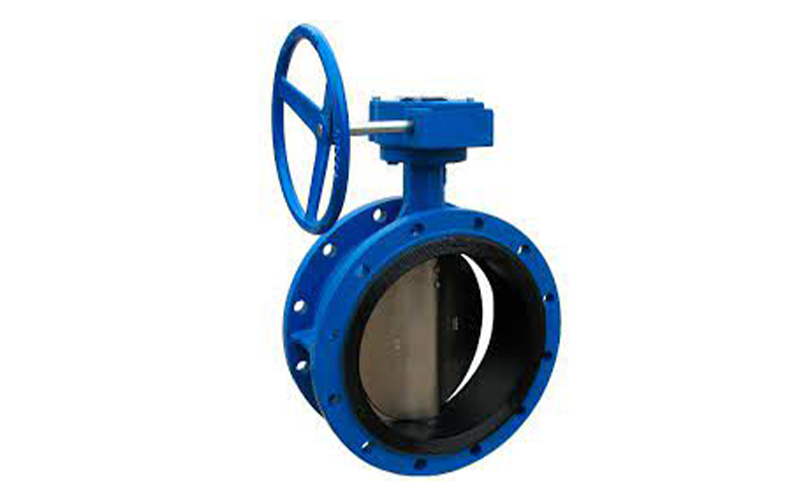
Butterfly valves are widely recognized for their simplicity, reliability, and efficiency in controlling the flow of fluids in various industrial applications. When selecting the right butterfly valve for your system, several critical factors must be considered to ensure optimal performance and longevity. Here are the key considerations to keep in mind:
Understand the Application
The first step in choosing a butterfly valve is to thoroughly understand the specific application and the medium it will control. Different applications have different requirements, including pressure, temperature, and flow characteristics. For instance, a butterfly valve used in a water treatment facility may have different specifications than one used in a chemical processing plant.
- Medium Type: Identify the type of fluid (liquid, gas, or slurry) the valve will handle. Some materials are not compatible with specific media, which can lead to deterioration and valve failure.
- Operating Conditions: Consider the temperature and pressure conditions. Butterfly valves come in various ratings (ANSI, API) and materials suited for specific pressure and temperature ranges.
Material Selection
The material of the butterfly valve is crucial for its performance and longevity. Common materials include:
- Cast Iron: Ideal for general-purpose applications, especially with water and wastewater.
- Stainless Steel: Suitable for corrosive environments, such as those found in food processing or chemical industries.
- PVC or CPVC: Used in low-pressure applications with corrosive fluids, commonly found in plumbing systems.
- Bronze: Often used in marine applications due to its resistance to seawater.
Selecting the appropriate material helps ensure the valve withstands the operating conditions and extends its service life.
Size and Design
The size of the butterfly valve directly affects the flow rate and pressure drop within the system. Proper sizing is essential to maintain efficient operation.
- Diameter: Ensure the valve diameter matches the pipeline to avoid any flow restrictions. A valve that is too small can cause pressure drop, while one that is too large may lead to turbulence.
- Design Type: There are different designs of butterfly valves, such as resilient seated, metal seated, and high-performance types. Each design has its benefits and is suited for different applications. For example, high-performance butterfly valves are designed for throttling and can handle higher pressures.
Actuation Method
The actuation method refers to how the valve is operated. Common actuation methods include:
- Manual Actuation: Operated by a lever or handwheel, suitable for smaller valves or applications where remote operation isn’t necessary.
- Pneumatic Actuation: Uses compressed air for quick operation, often used in automated systems.
- Electric Actuation: Provides precise control and is ideal for applications that require remote operation or integration with control systems.
The choice of actuation affects the valve's responsiveness, control precision, and integration with existing systems.
Flow Control and Regulation
Butterfly valves are versatile in their ability to control flow. Understanding how much control you need is essential.
- Throttling Capability: If your application requires regulating flow, consider a valve designed for throttling. High-performance valves often provide better throttling characteristics than standard resilient-seated valves.
- Flow Direction: While butterfly valves can be installed in either direction, some applications may require specific flow orientations to optimize performance.
Maintenance and Accessibility
Regular maintenance is vital for the longevity and efficiency of any valve system. When selecting a butterfly valve, consider its maintenance requirements:
- Accessibility: Ensure that the valve is easily accessible for maintenance activities. This consideration is crucial for valves that will be regularly adjusted or inspected.
- Replaceable Components: Choose valves with replaceable seals and seats. This design can reduce maintenance costs and downtime when repairs are necessary.
Certifications and Standards
Ensure that the butterfly valve meets industry standards and certifications relevant to your application. Look for valves certified by organizations such as ANSI, API, or ISO, as this often indicates a higher quality and reliability level.
Supplier Selection
Choosing a reputable butterfly valve supplier in Ahmedabad is crucial. A reliable supplier can provide valuable insights and support throughout the selection process, ensuring you choose the right valve for your needs. They should offer:
- Technical Support: A knowledgeable team to assist with technical inquiries and application-specific questions.
- Quality Assurance: Quality control measures to ensure the valves meet the required standards and specifications.
- After-Sales Service: Good after-sales support, including warranty and service options, can significantly impact your overall experience.
Conclusion
Selecting the right butterfly valve for your system involves a comprehensive understanding of your application, material selection, sizing, actuation method, flow control, maintenance, and supplier reliability. By considering these factors carefully and working with a trusted butterfly valve supplier in Ahmedabad, you can ensure that you choose a valve that meets your operational requirements and contributes to the overall efficiency and reliability of your system. A well-chosen butterfly valve will not only enhance performance but also minimize maintenance issues and extend the lifespan of your piping system.