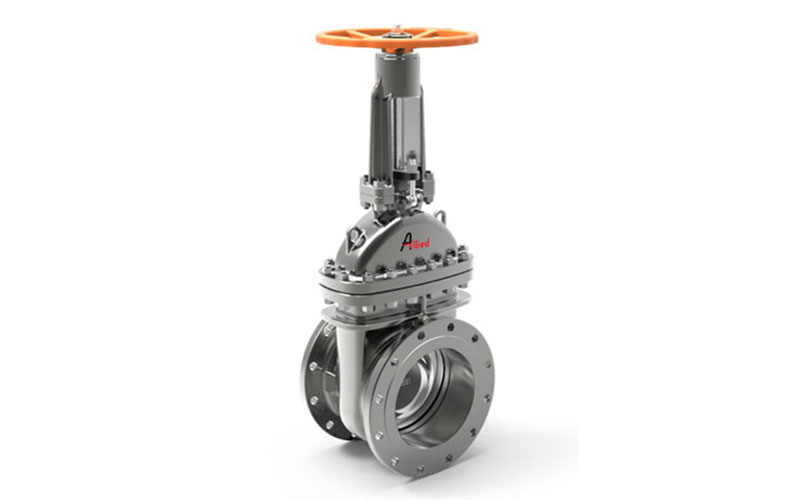
In the complex and demanding environment of the oil and gas industry, precision and reliability are non-negotiable. One of the most essential components that help ensure smooth operations in this field is the industrial valve. Valves are used to control the flow, direction, pressure, and temperature of process fluids. From extraction to refining and distribution, they serve critical functions at nearly every stage. This article dives into the key roles industrial valves play in the oil and gas sector and why choosing a dependable valve supplier in Ahmedabad can make a substantial difference in project performance.
Understanding the Role of Industrial Valves
Industrial valves are mechanical devices that control, direct, or shut off the flow of gases, liquids, and slurries. In oil and gas operations, the conditions are often extreme—high pressures, corrosive materials, and high temperatures are common. Valves must withstand these conditions while maintaining tight seals and long service life.
Different types of valves are used depending on the process requirement. These include ball valves, gate valves, globe valves, butterfly valves, check valves, and pressure relief valves. Each type has a specific role in handling different functions like isolation, throttling, backflow prevention, or pressure regulation.
Key Applications in the Oil & Gas Industry
1. Upstream Operations (Exploration and Production)
In upstream activities, valves are used extensively on offshore platforms, rigs, and in wellheads. They manage the extraction of crude oil and natural gas from underground reservoirs. Valves in this stage must be highly durable due to constant exposure to corrosive fluids and extreme temperatures. Gate valves and ball valves are most commonly used here for isolation purposes.
2. Midstream Operations (Transportation and Storage)
Once the raw materials are extracted, they need to be transported to refineries or storage facilities. This is where pipelines come into play, often stretching for hundreds of kilometers. Industrial valves in this sector help control the flow, relieve pressure, and isolate pipeline sections for maintenance or emergencies. Emergency shutdown valves and pressure relief valves are especially critical in preventing accidents and ensuring worker safety.
3. Downstream Operations (Refining and Distribution)
In the downstream segment, where crude oil is processed and refined into usable products like gasoline, diesel, and petrochemicals, valves are used to control chemical reactions, maintain flow rates, and handle high-pressure steam systems. Accurate control is vital for product quality and safety. Globe valves, control valves, and pressure relief systems are typically employed in this phase.
Challenges Faced by Industrial Valves
Valves used in the oil and gas industry are exposed to some of the harshest conditions. High pressure, temperature fluctuations, corrosive fluids, and abrasive materials can lead to wear and tear, leakage, or failure. Regular maintenance, quality material selection, and proper design are crucial to extend their life and performance.
Working with a trusted valve supplier in Ahmedabad ensures access to valves that meet global standards and are suitable for the demanding conditions of oil and gas operations. Suppliers offering a wide variety of valves with reliable specifications can help prevent costly downtime and enhance system efficiency.
Factors to Consider When Selecting Valves
- Material Compatibility: Valves must be constructed using materials that resist corrosion and withstand high temperatures and pressures.
- Design Standards: Always check for compliance with international design standards such as API, ASME, and ISO.
- Maintenance Requirements: Choose valves that are easy to inspect, clean, and service.
- Application Fit: Not every valve suits every task. Understand the specific requirement—whether it's flow control, shutoff, or pressure relief—and select accordingly.
- Proven Performance: Field-tested valves that have a track record in oil and gas installations should be preferred.
Conclusion
The importance of industrial valves in the oil and gas sector cannot be overstated. These components play a vital role in maintaining operational safety, controlling fluid flow, and optimizing productivity. Whether for upstream, midstream, or downstream applications, selecting the right valve and working with a reliable valve supplier in Ahmedabad is essential for project success. By focusing on quality, compatibility, and long-term performance, industries can ensure safe and efficient operations across all stages of oil and gas production.