There are different ways to connect parts. One of the methods used today in various industries to connect two parts is welding. Welding is used to connect two parts. Welding also has different types and is done in different ways. To perform welding, special equipment is needed, the most important of which is the welding electrode. To better understand this issue, you must first know what is a welding electrode? And what types are there?
Welding electrodes are produced in different types and each of them is used in a specific industry and application. In general, different categories have been considered for the types of welding electrodes, and we believe that in this article, complete and comprehensive information about the types of electrodes used in the welding machine will be provided to you, which can answer all your questions. be in this context.
What is a welding electrode?
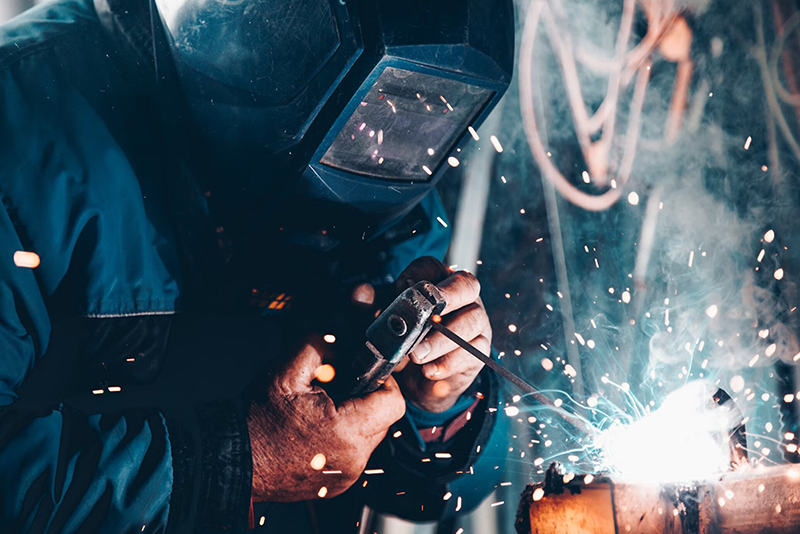
The electrode in arc welding type is known as MMA welding electrode and it is a conductive metal wire that has one end and almost the entire body covered. This relatively thick metal wire (similar to a wire and a wire rod) is the interface between the output electric current entered into the welding tongs of the inverter device with the part and the work surface. Due to its material and structure, the MMA welding electrode takes the output current of the device and transfers it to the welding tongs and turns it into a bright electric arc. This arc causes the surface of the workpiece (metal) to heat up and melt the material of the electrode head, and in this way, the melted material creates the process of welding two metal surfaces.
What is the application of welding electrode?
As mentioned, this device is used to connect two metal or metal-like surfaces. The thickness, material and type of use of these work pieces are related to the final consumption electrode. But in general, a welding electrode is used in the following connections:
- Welding of iron beams, skeletons and building structures
- Connecting rebar, sheet, profile, can and...
- Welding of gas, water and various types of pipes
- Making all kinds of metal doors and windows, fences, bars, guards, etc.
And in summary, many household, workshop and industrial applications that require permanent bonding and connection of two metals use welding machines and welding electrodes.
Welding electrode specifications
Welding electrodes have different characteristics in terms of wire material, coating type and electrode diameter. In the following, we will take a look at the features of each.
The material of the welding electrode
The type of wire used in the electrode plays an important role in quality and efficiency. One of the most important of them is the welding electrode with stainless steel wire, nickel wire, aluminum wire and low carbon steel wire.
Welding electrode diameter
The diameter of the electrode can be permanent or sectional. Diameters of 2.5, 3.25, 4 and 5 mm are widely used and common models in welding. The larger the electrode diameter, the higher the deposition rate. In other words, thicker sheets and surfaces can be welded with the help of larger diameter electrodes.
Thin electrodes are also the best choice for thin surfaces and sheets. Because due to more delicacy and accuracy, possible damage to such sheets will be prevented.
The role of coating of welding electrodes
Electrode cover has various roles that are divided into the following categories:
Electrical role
Stabilizing and stabilizing the arc as well as conducting electricity in the arc
Physical role
It is possible to mention the amount of coating viscosity, surface tension of coating, sufficient thickness of slag, high solidification speed of slag.
Metallurgical role
It is possible to mention the protection of the arc and molten column, alloying, increasing the efficiency or deposition rate, deoxygenation, reducing the cooling rate, etc.
What is the difference between welding electrode and welding wire?
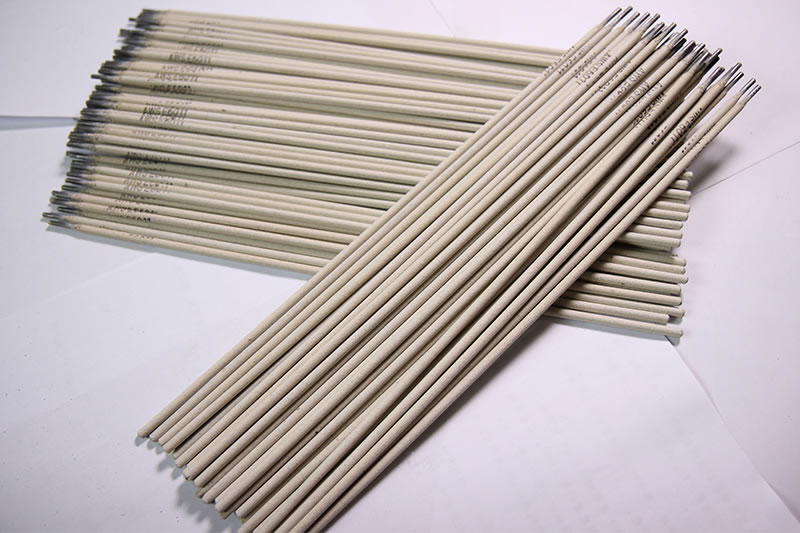
Before referring to the types of MMA welding electrodes, we should mention that there are several main types of welding electrodes and wires in this industry that some users may confuse. In fact, welding electrodes and wires are directly related to the type of device and the type of domestic or industrial welding.
Frequently Asked Questions
Are all electrodes suitable for all types of metals?
No, the suitability of an electrode depends on factors such as metal type, thickness and welding position.
How to prevent spatter when using electrodes?
Proper electrode maintenance, correct current selection, and maintaining a stable arc can help reduce spatter.
Do environmental concerns affect electrode selection?
Yes, less environmentally friendly electrodes are preventing common emerging environmental impacts.
What are the signs of a defective electrode?
Unusual spatter, unstable arcing and poor appearance of weld worms are signs of a faulty electrode.
Can automation completely replace electrode welding?
While automation is advancing, manual electrode welding is still important for some applications.
Source: Fulka