What is Stainless Steel Wire?
Stainless steel wire is a versatile and widely used material in various industries due to its unique properties. It is a type of wire made from stainless steel, a corrosion-resistant alloy that contains iron, chromium, nickel, and other elements. The combination of these elements imparts specific characteristics to stainless steel wire, making it suitable for diverse applications.

Key Characteristics of Stainless Steel Wire
Corrosion Resistance
- Stainless steel wire is known for its exceptional resistance to corrosion, making it ideal for applications in harsh environments where exposure to moisture, chemicals, or corrosive substances is a concern.
High Strength
- The alloy composition provides stainless steel wire with high tensile strength and mechanical strength. This makes it suitable for applications requiring durability and load-bearing capabilities.
Temperature Resistance
- Stainless steel wire can withstand a wide range of temperatures, making it suitable for applications where exposure to extreme heat or cold is a factor.
Ductility and Flexibility
- Depending on its manufacturing process and alloy composition, stainless steel wire can exhibit excellent ductility and flexibility, allowing it to be bent or shaped without compromising its structural integrity.
Versatility
- Stainless steel wire comes in various diameters and shapes, catering to a wide range of applications across industries such as construction, automotive, aerospace, medical, and more.
Applications of Stainless Steel Wire
Here are some key applications of stainless steel wire
Construction and Infrastructure
Stainless steel wire is used in construction for reinforcing concrete structures, creating fences, and providing support in various building elements. Its corrosion resistance ensures the longevity of structures.
Automotive Industry
In the automotive sector, stainless steel wire is employed for manufacturing components such as springs, cables, and mesh. Its strength and resistance to corrosion make it suitable for demanding automotive applications.
Medical Instruments
Stainless steel wire is widely used in the medical field for manufacturing surgical instruments, orthopedic devices, and other medical tools. Its hygienic properties and resistance to corrosion are crucial in medical applications.
Aerospace Components
Due to its high strength, corrosion resistance, and ability to withstand extreme conditions, stainless steel wire is used in the aerospace industry for various components, including cables and structural elements.
Marine Applications
The marine industry extensively relies on stainless steel wire for its resistance to saltwater corrosion. It is used in shipbuilding, rigging, and various marine structures.
Household Items
Stainless steel wire is found in everyday household items such as kitchen utensils, wire baskets, and shelving. Its durability and resistance to corrosion make it a popular choice for long-lasting consumer goods.
Fencing and Security
Stainless steel wire is commonly used for fencing due to its strength and corrosion resistance. It provides a durable and secure barrier for residential, commercial, and industrial properties.
Craftsmanship and Artwork
Artists and craftsmen utilize stainless steel wire for creating sculptures, jewelry, and artistic installations. Its malleability and aesthetic appeal contribute to its popularity in the world of art and design.
Oil and Gas Industry
Stainless steel wire is employed in the oil and gas sector for various applications, including wireline operations, mesh screens, and downhole tools, where corrosion resistance is crucial.
Electronics and Electrical Components
In electronics, stainless steel wire is used for making springs, connectors, and other components. Its conductivity, durability, and resistance to corrosion are advantageous in electrical applications.
The broad spectrum of applications showcases the versatility of stainless steel wire, making it a vital material across multiple industries, contributing to the strength, durability, and reliability of various products and structures.
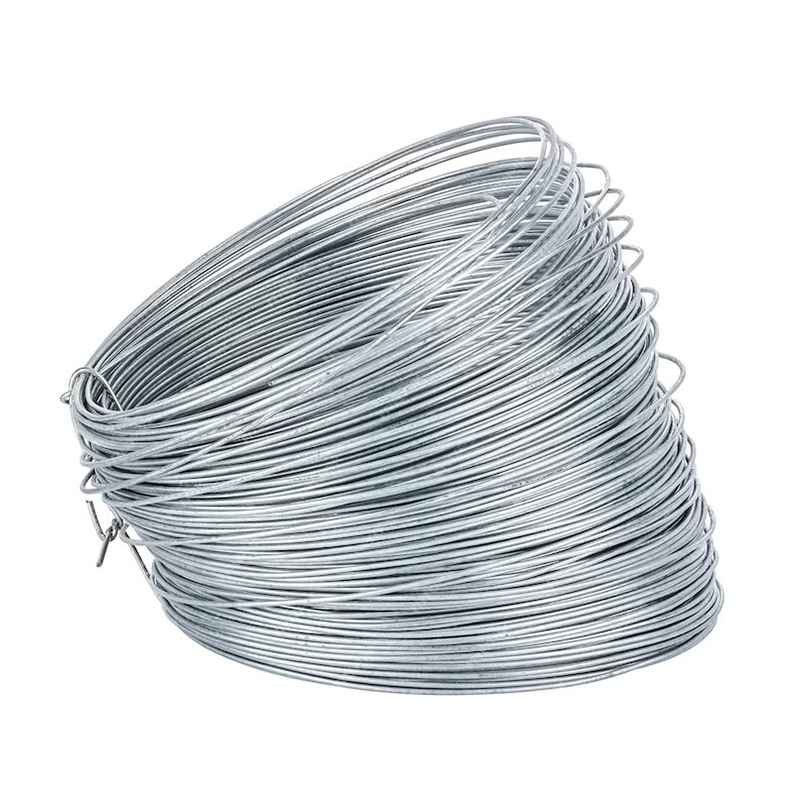
Stainless Steel Wire Prices
The pricing of stainless steel wire can vary based on several factors, including the type of stainless steel, diameter, finish, and market conditions. Here are some key factors that influence the pricing of stainless steel wire:
Type of Stainless Steel
Different grades of stainless steel have varying compositions and properties. The type of stainless steel used in the wire significantly influences the cost. Common grades include 304, 316, and 316L, each with its own characteristics and pricing.
Diameter and Thickness
The diameter or thickness of the stainless steel wire is a crucial factor in determining its price. Thicker wires generally cost more due to the increased material required and potential processing challenges.
Finish and Coating
Stainless steel wire can have various finishes, such as bright, matte, or coated. Finishes may affect the aesthetic appeal, corrosion resistance, and, consequently, the price of the wire.
Market Conditions
Like any commodity, stainless steel wire prices are influenced by market conditions, including supply and demand dynamics, global economic factors, and geopolitical events. Fluctuations in these conditions can impact the cost of raw materials and, consequently, the price of stainless steel wire.
Quantity and Packaging
Bulk purchases or larger quantities often lead to reduced per-unit costs. Packaging options, such as spools or coils, can also affect the overall price.
Supplier and Location
The choice of supplier and their location can impact the cost of stainless steel wire. Different suppliers may have varying pricing structures, and shipping costs can also play a role.
Quality and Certification
High-quality stainless steel wire that meets specific industry standards or certifications may command a higher price. Certification for specific applications, such as medical or aerospace use, can contribute to increased costs.
Customization
Customized requirements, such as unique alloys, special coatings, or precise tolerances, can lead to higher costs compared to standard, off-the-shelf stainless steel wire.
It's important for buyers to consider these factors and communicate their specific requirements when seeking stainless steel wire. Additionally, staying informed about market trends and conditions can help anticipate potential price fluctuations. Prices can be obtained from suppliers or distributors based on the desired specifications and quantities.
Source : فولکا