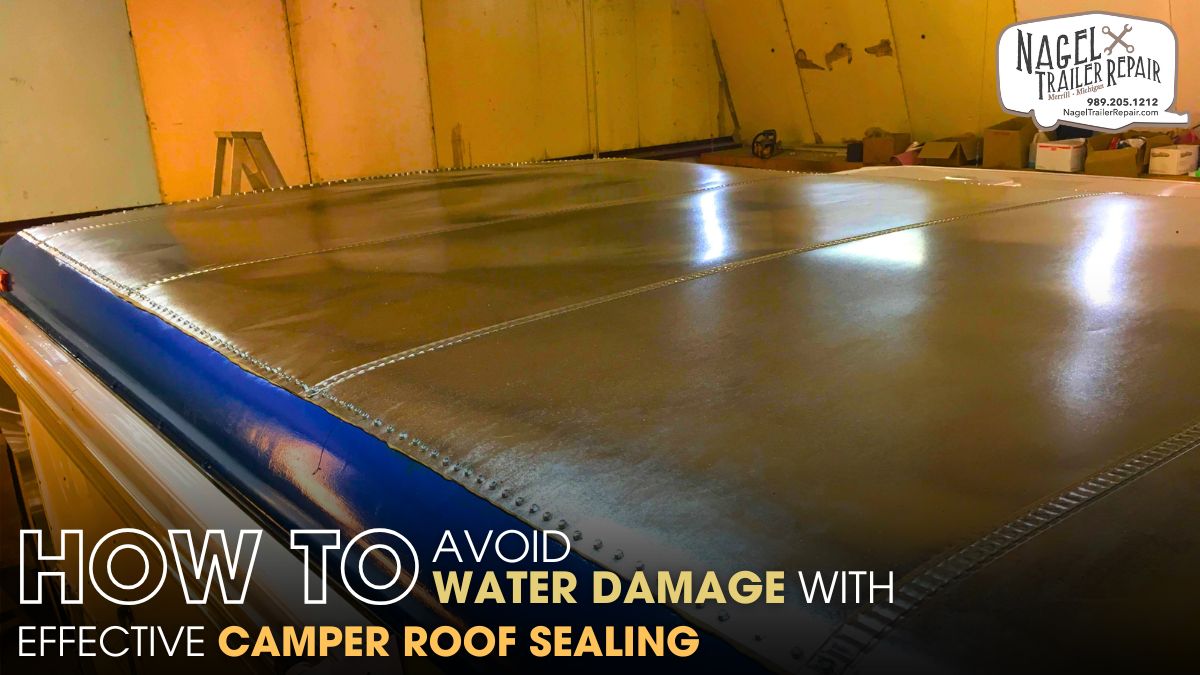
Water damage is one of the biggest threats to your camper’s longevity. If your camper roof is not properly sealed, leaks can develop, leading to mold growth, interior damage, and expensive repairs. Fortunately, with the right preventative measures, you can protect your camper from water damage and extend its lifespan. This guide will walk you through the importance of roof sealing, the best materials to use, and how to apply a sealant properly. Whether you’re a seasoned camper owner or new to the world of RVs, these tips will help keep your vehicle in top condition.
Why Camper Roof Sealing Is Essential?
Your camper roof is constantly exposed to the elements—rain, snow, UV rays, and temperature fluctuations. Over time, these factors can weaken the roof’s protective layer, leading to cracks, leaks, and deterioration. Without proper sealing, moisture can seep into the camper’s interior, causing extensive damage to the ceiling, walls, and flooring.
By sealing your camper roof, you create a waterproof barrier that prevents leaks and extends the life of your camper. Additionally, proper roof sealing enhances insulation, keeping your camper cool in the summer and warm in the winter.
If you’re in need of professional sealing services, Camper Roof Repair Michigan experts can provide high-quality materials and expert workmanship to ensure your camper stays dry and damage-free.
Signs That Your Camper Roof Needs Resealing:
Knowing when to reseal your camper roof is crucial for preventing water damage. Here are some common signs that your roof needs attention:
- Visible Cracks or Gaps: If you notice cracks, holes, or separation in the sealant, it’s time to reseal your roof.
- Water Stains Inside the Camper: Discoloration on the ceiling or walls indicates water infiltration.
- Soft Spots on the Roof: A spongy or soft feel underfoot means moisture has penetrated the roof layers.
- Mold or Mildew Growth: Persistent moisture leads to mold, which can cause health issues.
- Peeling or Bubbling Sealant: If the existing sealant is deteriorating, it won’t provide adequate protection.
If you experience any of these issues, seek assistance from Camper Roof Repair Michigan professionals to prevent further damage.
Best Materials for Camper Roof Sealing:
Selecting the right materials is key to ensuring an effective seal. Here are some of the best options for camper roof sealing:
- RV Roof Sealant – This is a flexible, waterproof coating that prevents leaks and UV damage. Popular options include Dicor, Eternabond, and Geocel.
- Silicone Sealant – Offers excellent water resistance and durability but can be tricky to apply evenly.
- Acrylic Sealant – Provides UV protection and flexibility, making it a great choice for long-term sealing.
- EPDM or TPO Rubber Roof Coatings – Ideal for rubber roofs, these coatings provide a durable and long-lasting seal.
If you’re unsure which material is best for your camper, Camper Roof Repair Michigan can provide guidance based on your specific roof type and condition.
Step-by-Step Guide to Sealing Your Camper Roof:
1. Clean the Roof
Start by washing the roof with a mild detergent and water. Remove dirt, debris, and old sealant to ensure the new coating adheres properly.
2. Inspect for Damage
Check for cracks, soft spots, and any existing leaks. Address any structural damage before applying the sealant.
3. Choose the Right Sealant
Select a sealant that matches your roof type. EPDM roofs require rubber-based sealants, while fiberglass roofs work well with acrylic or silicone coatings.
4. Apply the Sealant
Use a brush, roller, or caulking gun to apply the sealant evenly. Pay extra attention to seams, vents, and edges where leaks are most likely to occur.
5. Allow Proper Drying Time
Let the sealant cure completely before exposing the camper to moisture. Drying times vary depending on the product used.
For a professional touch, consider hiring Camper Roof Repair Michigan to ensure a flawless application.
How Often Should You Reseal Your Camper Roof?
Routine maintenance is key to preventing leaks. Generally, camper roofs should be resealed every 2–3 years, but this varies depending on usage, climate, and roof type. Conducting an annual inspection can help determine when resealing is necessary.
Additional Tips to Prevent Water Damage
- Use a Camper Cover: A waterproof cover protects against rain, snow, and UV damage.
- Park in a Covered Area: Keeping your camper in a garage or under an awning reduces exposure to harsh weather.
- Regularly Check Roof Seams and Vents: These areas are prone to leaks, so inspect and touch up the sealant as needed.
- Schedule Professional Inspections: If you’re unsure about your roof’s condition, experts at Camper Roof Repair Michigan can assess and repair any issues.
The Role of Professional Maintenance:
Professional maintenance plays a vital role in protecting your camper from costly water damage. With effective camper roof sealing, experts apply high-quality sealants to prevent leaks, safeguard against UV damage, and extend your roof’s lifespan. Their precise techniques ensure seams, vents, and edges are fully protected—areas often missed during DIY attempts.
Additionally, professionals conduct thorough camper roof leak inspections, identifying hidden cracks, soft spots, and weakened sealants before they escalate into major issues. Using specialized tools like moisture meters, they detect leaks that are invisible to the naked eye. Regular expert inspections combined with professional sealing prevent mold growth, interior damage, and expensive repairs. Investing in professional maintenance not only protects your camper but also provides peace of mind, ensuring every journey is safe and dry. For reliable results, trust experienced professionals to maintain your camper’s roof and preserve its value for years to come.
Conclusion:
Water damage can quickly turn your camping adventures into costly repair nightmares. By taking proactive steps to seal your camper roof, you can protect your investment and ensure years of trouble-free travel. Regular maintenance, proper material selection, and professional assistance when needed are all essential for keeping your camper dry and secure. If you notice cracks, water stains, or soft spots, don’t delay—apply a fresh coat of sealant or seek expert help.
Camper Roof Repair Michigan provides top-notch sealing services to safeguard your camper from leaks and structural damage. With proper roof sealing, you can enjoy the great outdoors without worrying about moisture intrusion, mold growth, or expensive repairs. Take the time to inspect and reseal your camper roof, and you’ll significantly extend its lifespan, keeping your adventures rolling for years to come.