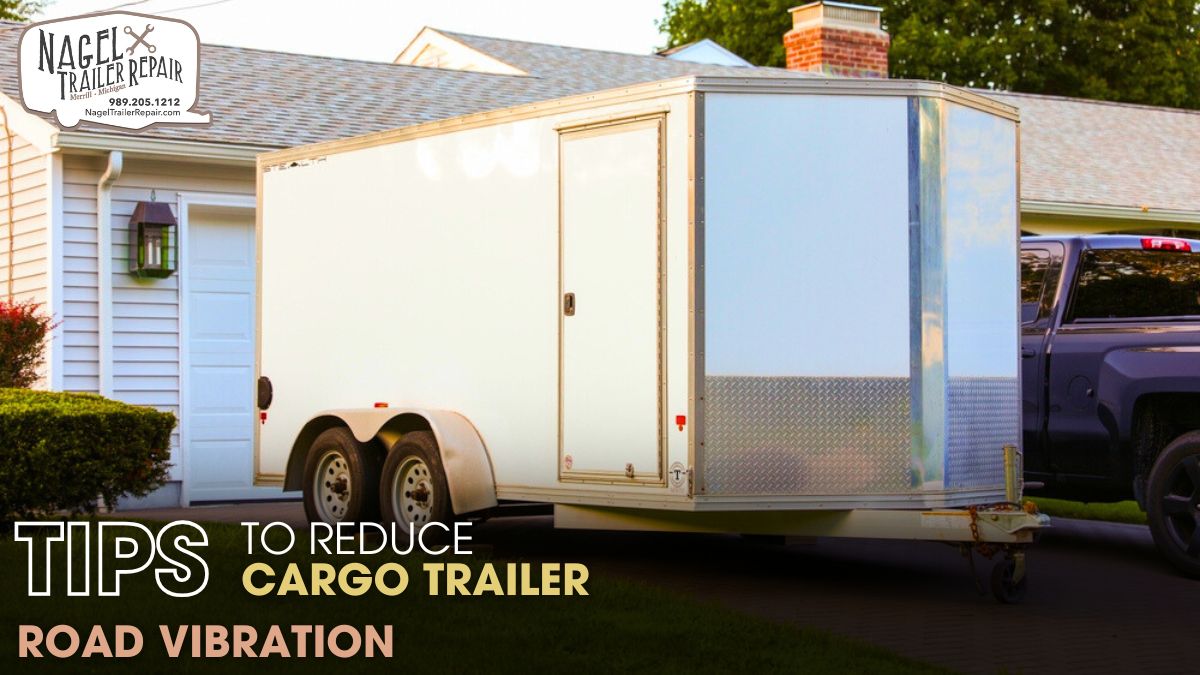
Road vibration is a persistent problem faced by many trailer owners across the United States. When it comes to cargo trailers, these vibrations can do more than rattle the cargo inside. Over time, road-induced oscillations can loosen fasteners, damage suspension components, reduce tire life, and affect the overall structure of your trailer. It may even cause premature failure of sensitive mechanical parts or electronics housed inside. While it's impossible to eliminate vibration completely, there are several technical methods to reduce its impact and maintain smoother operation.
Causes of Cargo Trailer Vibration During Transit:
Vibration in a cargo trailer comes from multiple sources. Uneven road surfaces are the primary contributor, particularly on long hauls or rural routes. But beyond the road itself, the trailer’s design, suspension system, tire type, and weight distribution can all amplify or dampen the effects. In poorly balanced trailers, for example, vibrations can resonate through the frame and increase wear on the axle and bearings. Axles that are not properly aligned or leaf springs that are overly stiff or worn can further contribute to chattering and trailer sway.
Wheel imbalance is another critical factor. Tires that are not correctly balanced, even by a few ounces, can generate a cyclical vibration that becomes worse at highway speeds. Misaligned axles and underinflated tires also increase oscillations, making road noise and bumps more pronounced. Ensuring proper weight distribution—ideally with about 60% of the weight loaded toward the front of the trailer—goes a long way in reducing these symptoms. Failing to take this into account often leads trailer owners to seek Cargo Trailer Repair Michigan services when problems escalate.
Optimizing Suspension and Axle Components:
The suspension system of a cargo trailer plays a vital role in vibration absorption. Traditional leaf spring suspensions are reliable but limited in their ability to absorb harsh impacts. For a smoother ride, many experienced haulers opt for rubber torsion axles. These units are independent and contain rubber cords within the axle tube that compress under load, offering excellent vibration isolation without sacrificing load-carrying capacity.
Another effective upgrade is to install shock absorbers specifically designed for trailer use. These help manage oscillations from sudden impacts like potholes and speed bumps, translating into less force reaching the cargo. Shock mounts and brackets must be properly welded or bolted to the trailer frame. Improperly installed shocks can do more harm than good, which is why it's often best to consult with a local specialist in Cargo Trailer Repair Michigan who can ensure proper alignment and integration of upgraded parts.
Axle alignment should also be examined. Misalignment causes tires to scrub unevenly against the pavement, sending consistent vibration through the trailer. Regular alignment checks, especially after hitting curbs or potholes, help prevent this problem. Technicians can also rotate tires and check for bearing play during these inspections.
Tire Quality and Air Pressure Control:
Tires are your first line of defense against road vibration. Investing in high-quality, trailer-rated radial tires significantly improves the trailer’s stability. Radial tires have flexible sidewalls and a more forgiving tread profile, which allows them to absorb minor shocks more effectively than bias-ply counterparts.
Maintaining consistent air pressure is equally essential. Underinflated tires create more surface contact, resulting in excess heat and increased road friction, which magnifies vibration. Overinflated tires reduce cushioning ability, transferring road noise directly into the trailer body. Monitoring tire pressure before every trip using an accurate digital gauge or a Tire Pressure Monitoring System (TPMS) can help minimize long-term vibration-related issues.
Tire balancing should also not be overlooked. All trailer tires should be dynamically balanced using wheel weights to prevent rotational wobble. Some trailer owners skip this step, but over time, the uneven wear and added stress on wheel bearings can create a need for frequent Cargo Trailer Repair Michigan services, especially for trailers used commercially or for heavy loads.
Trailer Structure and Load Management:
The trailer structure itself contributes to vibration characteristics. Reinforcing weak or flexible flooring with marine-grade plywood or rubberized mats helps absorb vibration and protect cargo. Sound-deadening adhesive mats, commonly used in car audio installations, can be applied to trailer walls to reduce resonance.
Equally important is proper load management. Loose cargo will shift, bounce, and even collide with interior walls during transit. These impacts can cause vibrations that not only damage goods but also amplify the trailer's overall vibration levels. Load bars, cargo nets, and interior bracing systems help secure items and create a more stable transport environment.
Proper tongue weight also reduces vertical oscillations between the trailer and tow vehicle. Too little tongue weight causes fishtailing, while too much can overload the rear axle of the tow vehicle. Aim for tongue weight to be about 10-15% of the trailer's total weight. When in doubt, many trailer owners seek advice from Cargo Trailer Repair Michigan professionals who can assess and adjust these ratios based on real-world needs.
Regular Maintenance for Long-Term Stability:
Routine maintenance ensures that all systems affecting vibration are functioning properly. Bearings should be inspected and greased at regular intervals, usually every 12,000 miles or annually. Loose bolts and hardware throughout the trailer frame and suspension should be re-torqued, as even small amounts of play can translate into long-term vibration issues.
Lighting fixtures, electronics, and mounts are also susceptible to road-induced fatigue. Replace cracked housings or loose connectors promptly. Water leaks through seams or roof penetrations may not seem vibration-related, but corrosion of structural members can make the trailer less rigid over time, indirectly increasing vibration severity.
Annual professional inspections, including a full suspension check, axle alignment, and brake system diagnostics, will keep your trailer riding smooth and extend its operational life. Establishing a preventive maintenance routine with a certified Cargo Trailer Repair Michigan service center is a wise investment for anyone who hauls regularly or values cargo integrity.
The Role of Professional Maintenance:
Maintaining your cargo trailer is more than just routine—it’s essential for performance and safety. When dealing with road vibration, one of the most overlooked issues is improper suspension tuning. Even high-quality trailers can suffer from vibration if the tires aren’t balanced, the axles are misaligned, or the cargo isn’t distributed evenly. Neglecting these details causes parts to wear prematurely and cargo to get damaged in transit. That’s where proper maintenance becomes critical. Identifying minor vibration early, before it leads to major mechanical failure, can save you from costly repairs down the line.
On the other hand, choosing the right cargo trailer size is equally tied to maintenance needs. A trailer too small for your typical loads leads to overpacking and strain on the frame and axles, while an oversized trailer adds unnecessary weight and fuel consumption. Selecting a trailer that matches your load size and towing capacity not only improves efficiency but also reduces stress on components. Over time, these smart choices lessen the burden on suspension and brakes, making upkeep more manageable. Whether it’s minimizing vibration or picking a trailer that fits your job, regular inspections, careful loading, and attention to mechanical details go a long way in protecting your investment and ensuring every haul is a smooth one.
Conclusion:
Minimizing road vibration in a cargo trailer is not a one-time fix, but an ongoing process involving proper suspension tuning, tire maintenance, load balancing, and regular inspections. While it’s easy to overlook small vibrations at first, those same tremors can grow into serious structural or safety issues over time if ignored. Upgrading your trailer's suspension, maintaining correct tire pressure and alignment, and reinforcing its structural integrity can significantly reduce vibration and improve your trailer’s lifespan. It’s also important to handle vibration issues before they start causing damage to your cargo or towing vehicle.
For anyone transporting valuable goods or using their trailer as a mobile workspace, the comfort and security that comes from a vibration-free ride is well worth the effort. Whether you're hauling locally or covering long distances, working with a trusted Cargo Trailer Repair Michigan provider ensures your trailer remains road-ready, smooth, and safe on every journey.