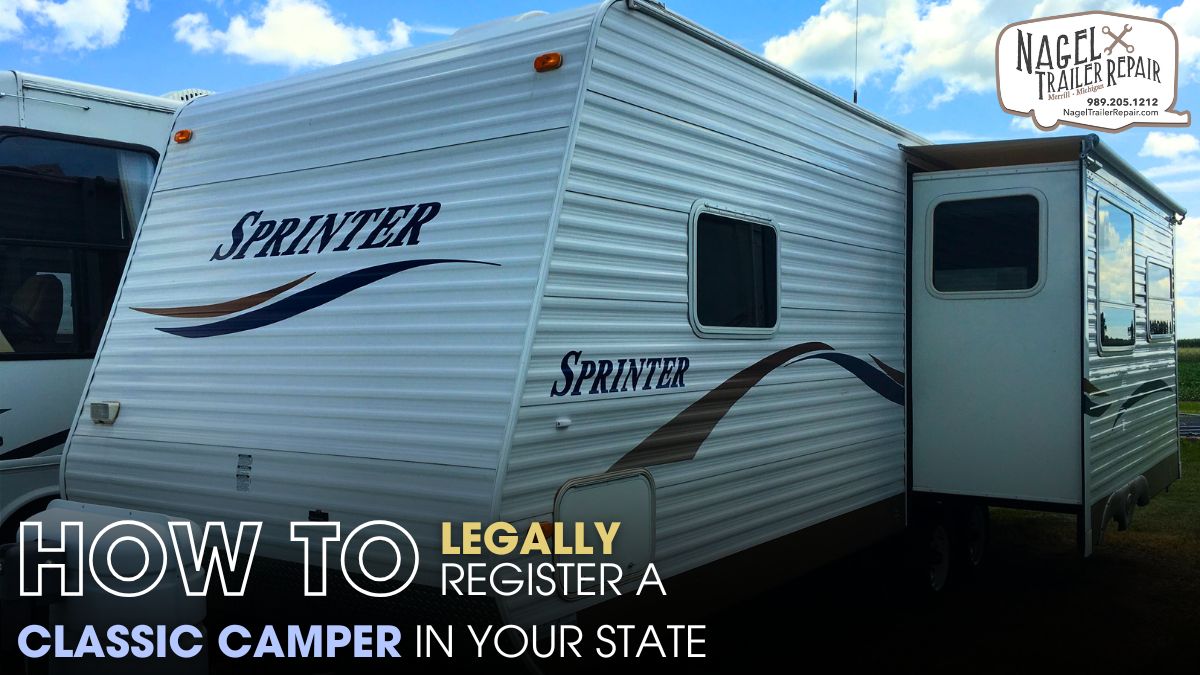
Classic campers are more than vehicles — they’re mobile memories, reminders of a time when the road meant freedom and the journey was the destination. But to legally drive a classic camper today, registration is a must. It’s not always as straightforward as registering a modern car. Different states have varying rules, and classic vehicles often fall under separate titles, inspection requirements, and documentation standards. Whether you just bought a fixer-upper or completed a restoration, understanding how to legally register your classic camper in your state is essential.
Understanding the Title Requirements:
The first step to registering your classic camper is verifying that you have the correct title. A clean title proves ownership and ensures the vehicle isn’t stolen or subject to liens. Many classic campers, especially those found in barns or auctions, might not come with modern titles. Instead, you may have a bill of sale or older documents that don’t match current state DMV records.
If your state requires a VIN inspection — and most do — be prepared to take your vehicle to an authorized inspection station. Some states offer mobile inspections, especially for non-operational or restored vehicles that can’t yet be driven legally. If the VIN is missing or unreadable, further documentation like an affidavit of ownership or photos of the restoration process might be required.
For rebuilt campers, the state may reclassify the vehicle as a "rebuilt" or "homemade" vehicle. This could affect insurance rates and registration fees, so it’s crucial to check your DMV’s requirements before beginning a restoration. In states like Michigan, the Secretary of State may even require a custom vehicle inspection form, known as TR-54, to accompany your paperwork.
Emissions, Safety Inspections, and Historical Plates:
Once your paperwork is ready, check whether your state mandates emissions or safety inspections for classic vehicles. Many states exempt vehicles over 25 years old from these inspections, but others, like California, still require smog checks even for older vehicles if they were manufactured after a certain year.
For safety, states may inspect lights, brakes, tires, and seatbelts. Your classic camper should have working headlights, taillights, and turn signals. Even if your vehicle predates certain safety regulations, it’s wise to retrofit seatbelts or newer lighting systems to ensure both compliance and safety.
After passing inspections, consider applying for historical or antique license plates. These special plates often come with reduced registration fees and relaxed emission requirements. However, they typically limit your usage — you may only be allowed to drive the camper for parades, exhibitions, or weekend recreation. Using it as a daily driver could lead to fines or revoked plates.
This is also the time to consider insurance. Most insurers require photos and appraisals before providing classic vehicle coverage. Policies differ from standard auto insurance and often base rates on agreed value rather than market value. If you’re in the Midwest and require restoration or mechanical evaluation before your inspection, Classic Camper Repair Michigan shops often specialize in getting vehicles up to inspection standards.
Registering Out-of-State and Dealing With Unique Cases:
If you bought your camper from another state, be prepared for additional paperwork. Most DMVs require a VIN verification and proof that the camper was legally titled in the previous state. You’ll also likely need a certified weight slip and possibly an odometer statement, even if it's non-functional.
Importing a camper from overseas, like a vintage VW or Mercedes, adds another layer. These vehicles must comply with the EPA and DOT requirements, or be exempt based on age (usually 25 years or older). Customs forms such as CBP Form 7501, along with EPA Form 3520-1, are required before you can even begin state-level registration.
For DIY conversions, like when a classic panel van is transformed into a camper, your state might require that you reclassify the vehicle. You’ll have to provide proof of the build, photos, and sometimes even receipts for major parts. States like Oregon and Michigan take DIY campers seriously, so be thorough in your documentation.
Once your camper meets all local and federal criteria, you can finally register it. Bring all necessary documents to your local DMV or Secretary of State office, including the title, inspection certificate, proof of insurance, and completed application forms. Fees vary by state, but classic camper registrations often cost less than standard ones.
If you're in Michigan, local experts like Classic Camper Repair Michigan can assist not just with mechanical repairs, but also with the titling and registration process. They understand the nuances of Michigan’s DMV system and offer consultation to avoid any legal pitfalls.
Ongoing Compliance and Road Use:
After registering your camper, be sure to comply with any ongoing requirements. Some states ask for periodic inspections even for historic vehicles. Others, like Texas, require annual renewals for antique plates but waive inspection.
Storage is another consideration. If your camper is registered but not insured during off-season months, check your local laws. Some states allow you to file a “planned non-operation” (PNO) status, saving you insurance and registration costs while the camper sits in a garage.
If you plan to rent out your classic camper or use it commercially, registration rules change significantly. Commercial use may void antique plate privileges and require commercial insurance. Again, specialists such as Classic Camper Repair Michigan are well-equipped to guide camper owners through any classification changes necessary to stay compliant with state laws.
The Role of Professional Maintenance:
Getting your classic camper legally registered isn't just paperwork—it’s a careful process that ensures your vehicle is roadworthy and recognized by your state. From VIN inspections and emissions checks to securing antique plates, every step matters. It’s easy to miss a detail, especially with older campers that may have been rebuilt or imported. That’s where experienced help makes a difference. A seasoned professional can spot issues early—like incorrect documentation or outdated safety equipment—that could delay or even block your registration.
On the structural side, cracked walls of Classic Trailer are more than cosmetic concerns. Left unchecked, small cracks can expand with movement and moisture, leading to major repairs down the line. Regular inspections and early reinforcement—often with the right sealants and panels—can save time and money. Professionals know where to look, what materials to use, and how to restore your trailer without compromising its vintage charm. Whether you’re hitting the DMV or reinforcing your camper walls, expert eyes can keep both your ride and your road trips stress-free.
Conclusion:
Registering a classic camper isn’t difficult, but it demands attention to detail, especially with older or modified vehicles. From title validation to VIN inspections, emissions testing, and securing historical plates, every step must align with your state’s unique DMV rules. Whether you’re restoring a 1970s Airstream or importing a European camper van, preparation is key to navigating the red tape smoothly. Relying on experienced technicians for evaluations and paperwork assistance can save hours of frustration. For those living in the Midwest, Classic Camper Repair Michigan offers more than mechanical expertise — they provide essential administrative insight as well. In the end, registering your classic camper legally gives you peace of mind and the freedom to hit the road with confidence, knowing your rolling piece of history is ready for miles of memorable journeys.