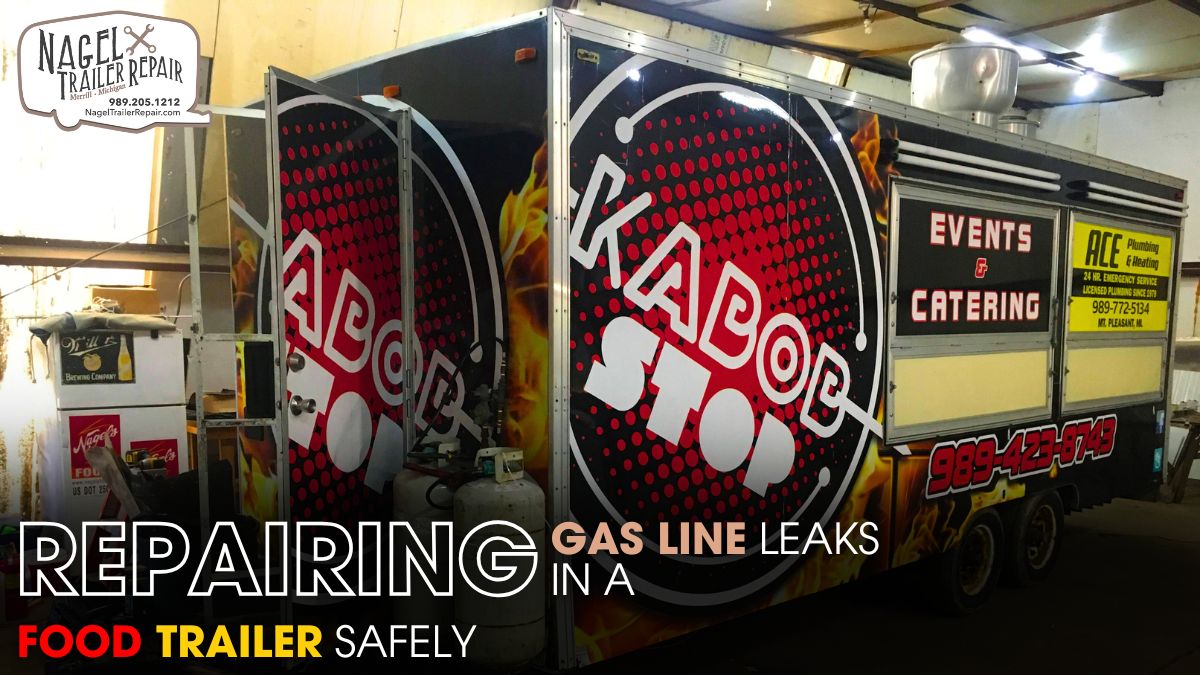
Gas line leaks in food trailers pose serious risks. From fire hazards to business downtime, a leak in your propane or natural gas system can bring everything to a halt. For food trailer owners, knowing how to safely diagnose and repair gas line issues is crucial. This isn’t just about avoiding costly repairs or inspection failures—it’s about ensuring the safety of you, your staff, and your customers.
Whether you're operating in a bustling market or at a busy event, your trailer’s gas line system must function reliably. Let’s walk through the steps of identifying, diagnosing, and safely repairing gas line leaks in a food trailer, with an emphasis on safety, technique, and long-term reliability.
Identifying a Gas Leak in a Food Trailer:
The first step in repairing a gas line leak is identifying whether one exists. Most trailer gas systems use propane, and propane leaks are often accompanied by a sharp, rotten egg smell. This is due to the chemical additive mercaptan, which is added to propane to alert users of a leak. But not every leak is easy to detect with smell alone. That’s why regular system pressure checks and leak tests should become a standard part of your maintenance routine.
Start by turning off all appliances and closing the main gas valve. Use a manometer to check pressure levels and test the system’s ability to hold steady pressure. If the system loses pressure without any appliances in use, you likely have a leak. To pinpoint the exact location, apply a mixture of dish soap and water to joints, valves, and connections. If bubbles form, you’ve found your leak. In high-pressure areas, small leaks may not produce visible bubbles, so repeat testing if you’re unsure.
Tools and Safety Gear for Gas Line Repair:
Once you’ve identified the leak, it’s time to gather the right tools. Repairing a gas line safely requires more than just wrenches and Teflon tape. You’ll also need proper personal protective equipment and a ventilated work area. Always shut off the main gas supply before touching any part of the gas system.
Use a flare nut wrench instead of standard open-end wrenches to reduce the risk of damaging fittings. Have leak detector spray on hand to test your repair once completed. You’ll also want thread sealant rated for gas applications—ordinary plumbing tape won’t do. Fire extinguishers rated for Class B fires should be accessible before starting. Ventilate your workspace and notify staff to keep all flames or electric devices away from the area. Working inside a small food trailer poses its own hazards, so keep windows and hatches open throughout the job.
Step-by-Step Gas Line Leak Repair:
Begin by disconnecting the leaking section, whether it’s a cracked rubber hose or a faulty connection. Examine the affected fittings for wear, corrosion, or debris. If the fitting appears damaged or threads are worn out, replace the entire fitting, not just the pipe or hose. When reconnecting, use a pipe thread sealant approved for gas lines. Apply it to the male threads only, taking care not to clog the interior of the line. Tighten the fittings using a flare nut wrench. Avoid over-tightening, as this can damage threads or crack fittings.
Once everything is in place, perform a leak test again. Open the main valve slowly and apply leak detection fluid to every joint, fitting, and coupling you’ve touched. No bubbles should appear. If you see bubbles, turn off the gas, disassemble, re-seal, and try again. After passing the leak test, light appliances one by one and verify that gas flows correctly. Monitor each appliance for signs of sputtering or low flame, which could indicate a blockage or remaining leak. Professionals offering Food Trailer Repair Michigan services follow these steps as a standard operating procedure to ensure long-term safety and code compliance.
Gas System Testing and Post-Repair Inspection:
A gas line repair doesn’t end once the leak is fixed. The entire system must be tested under pressure. Perform a drop test by turning off all burners and gas appliances and monitoring the gauge over a period of 10 to 15 minutes. Any drop in pressure means the system still has a leak or is improperly sealed. Many cities and counties in Michigan require an inspection by a certified technician after any modification to a mobile food unit’s gas system. Contact your local health department or fire marshal for the latest guidelines. If your trailer fails a gas system inspection, you may be forced to shut down operations until it passes.
To avoid downtime, consider scheduling regular inspections and maintenance. Professionals skilled in Food Trailer Repair Michigan can identify potential gas system vulnerabilities before they become hazards. Preventative maintenance often includes replacing worn rubber lines, inspecting regulators, and testing emergency shut-off valves. In colder months, condensation and moisture can also impact gas lines and regulators, especially if your food trailer is parked outside overnight. Keeping your gas system dry and shielded from the elements will go a long way in preventing future leaks.
When to Call a Professional?
While many small gas line repairs can be done in-house, some situations call for professional help. If you notice multiple leaks, have no experience with gas plumbing, or suspect regulator or manifold failure, don’t take the risk. Mishandling propane or natural gas can lead to fires, explosions, or poisoning. Certified gas technicians in the Food Trailer Repair Michigan region are trained to follow local safety codes and have access to specialized diagnostic tools. They can also certify the repair, giving you peace of mind and keeping your trailer compliant with local laws.
Even if you’re comfortable doing the repair yourself, it’s often worth having a technician perform a follow-up inspection. You don’t want to risk a leak being missed before your next big event or inspection. Licensed repair professionals can also recommend system upgrades that may improve safety and efficiency. For food trailer owners working in colder northern states like Michigan, extreme weather makes professional sealing and insulation even more critical. That's why so many trailer operators rely on experienced Food Trailer Repair Michigan services to winterize their gas systems before the first freeze.
The Role of Professional Maintenance:
Gas line leaks in a food trailer can be dangerous, not just for your equipment but for your entire operation. When dealing with propane or natural gas systems, accuracy and caution are everything. A leak—even a minor one—can lead to fire hazards, system failures, and forced shutdowns. It’s critical to detect the problem early by using proper testing tools and making repairs with the right fittings, sealants, and safety gear. Rushing the job or using makeshift fixes can do more harm than good.
Just as important is the Food Trailer’s exterior. After years on the road, your food trailer’s surface takes a beating from weather, road grime, and general wear. Cracked panels, faded paint, rust spots, and damaged skirting not only hurt the look of your brand but also compromise structural integrity. Restoring your trailer’s exterior isn’t just cosmetic—it protects it from further damage and extends its lifespan. Sanding, repainting, sealing joints, and replacing rusted hardware take time and skill, but they make a real difference. Whether it’s gas lines or bodywork, handling repairs with care helps keep your food trailer both safe and professional-looking.
Conclusion:
Gas line leaks in a food trailer are nothing to ignore. They pose serious health, safety, and financial risks to mobile food businesses. Repairing these leaks requires attention to detail, specialized tools, and a commitment to safety protocols. Every food trailer owner should be trained in identifying signs of a gas leak and equipped to respond swiftly. However, even if you have the tools and know-how, there’s no substitute for professional evaluation when it comes to gas systems. A second set of eyes can catch issues you might miss and ensure your trailer passes local health and fire inspections.
For those operating in colder regions or with busy schedules, outsourcing this work to seasoned experts is often the safer route. Trusting your repair to professionals who specialize in Food Trailer Repair Michigan ensures not just safety, but longevity. Your food trailer is your livelihood, and the gas system is its beating heart. Whether you're frying, grilling, or baking, a safe and functional gas setup is non-negotiable. Don’t wait until an inspector flags you or until a small leak becomes a big problem. Stay proactive, stay compliant, and most importantly—stay safe.