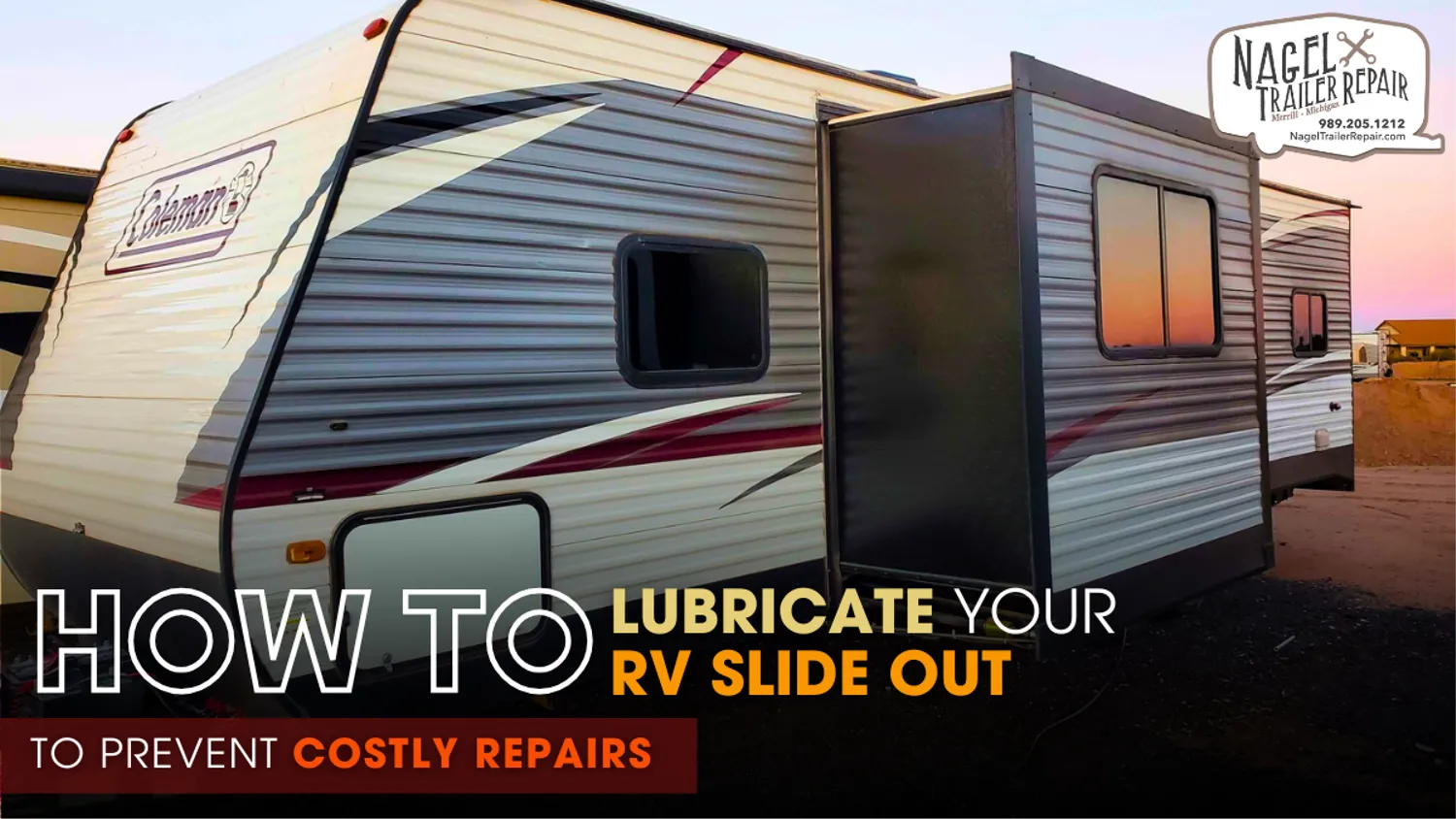
Owning an RV offers the freedom to explore the great outdoors without sacrificing the comforts of home. One of the most valuable features of an RV is its slide outs, which provide extra living space when parked. However, like all mechanical components, RV slide outs are prone to wear and tear. Proper maintenance, particularly lubrication, is essential to keep them functioning smoothly and prevent expensive repairs down the road.
In this guide, we'll cover everything you need to know about lubricating your RV slide out, from understanding the types of slide outs and lubrication points to a step-by-step guide on how to perform the task. Let’s dive into how you can take care of this critical RV component.
1. Understanding RV Slide Outs
An RV slide out is a movable section of the RV that expands outward to provide additional space when the RV is stationary. These mechanisms can make your RV feel more like home, giving you extra room to relax, cook, or sleep. However, because slide outs involve moving parts, they require regular maintenance to function properly.
Slide outs are typically driven by electric motors, hydraulics, or cables, all of which involve complex mechanisms that must be well-maintained to avoid breakdowns.
2. Why Lubricating Your RV Slide Out is Crucial
Slide outs face a variety of stresses and environmental conditions. Dust, dirt, water, and debris can all find their way into the moving parts, leading to corrosion, increased friction, and ultimately, mechanical failure. Regular lubrication:
- Reduces friction between moving parts, minimizing wear and tear.
- Prevents corrosion caused by water, road grime, and other environmental factors.
- Ensures smooth operation, preventing issues like sticking, uneven extension, and motor strain.
- Extends the life of your slide out mechanism, saving you from expensive repairs or replacements.
By taking the time to lubricate your RV slide outs, you can avoid costly repairs that may arise from neglected maintenance.
3. Types of RV Slide Out Mechanisms
Before you begin lubricating your RV slide out, it's important to understand which type of slide out mechanism your RV uses. Different systems have slightly different requirements when it comes to maintenance.
Electric Slide Outs:
Electric slide outs use a motor to drive the slide in and out. These mechanisms are generally easier to maintain but can still suffer from motor failure if not properly lubricated.
Hydraulic Slide Outs:
Hydraulic slide outs use a hydraulic pump to move the slide out. While they offer more power and can handle larger, heavier slides, they also require more maintenance due to the complexity of the system.
Rack and Pinion Slide Outs:
These systems involve a gear (pinion) that meshes with a toothed rack. As the gear turns, it moves the slide in and out. Rack and pinion systems are very common and benefit greatly from regular lubrication to keep the gears moving smoothly.
Cable-Driven Slide Outs:
Cable-driven systems use a series of cables and pulleys to move the slide out. These require careful attention to both the cables and the pulleys during lubrication.
4. Key Lubrication Points on RV Slide Outs
Each type of slide out mechanism has critical points where lubrication is essential. Here are the areas to focus on when maintaining your slide out:
- Slide Out Rails: These guide the slide in and out and are crucial points of friction.
- Gears: For rack and pinion systems, gears are a major point where lubrication can significantly reduce wear.
- Cables and Pulleys: For cable-driven systems, pulleys and cables need to stay well-lubricated to avoid snapping or seizing.
- Motor and Hydraulic Pump: Though these may not need as much attention, some motors and pumps have lubrication points that should not be overlooked.
- Slide Out Seals: While seals don’t need the same type of lubrication as moving parts, applying a seal conditioner can prevent cracking and leaks.
5. Choosing the Right Lubricant for Your RV Slide Out
Using the right lubricant is essential to ensuring optimal performance and protection. Not all lubricants are suitable for slide outs, and using the wrong product can lead to more harm than good.
Recommended Types of Lubricants:
- Dry Lubricants (Teflon or silicone-based): These are ideal because they don’t attract dust or dirt. Dry lubricants work well on gears, rails, and other exposed areas.
- Slide Out Lubricants: Several companies make lubricants specifically designed for slide outs. These products typically come in spray form and are designed to reduce friction while resisting the accumulation of dirt and grime.
- Lithium Grease: In some cases, white lithium grease can be used on gears and moving parts that are less exposed to the elements. However, it can attract dust if applied in open areas.
- Seal Conditioners: These are silicone-based treatments that protect the rubber seals from drying out and cracking, ensuring they remain flexible and watertight.
Avoid petroleum-based products, as they can degrade rubber components like seals.
6. How Often Should You Lubricate Your RV Slide Out?
The frequency of lubrication depends on several factors, including how often you use your RV, the type of slide out, and the environmental conditions you encounter.
General recommendation: Lubricate your slide outs every 2-3 months during active use or at the start and end of the RVing season. If you frequently travel in harsh conditions—like dusty deserts or rainy, muddy areas—you might need to lubricate more often.
7. Step-by-Step Guide to Lubricating Your RV Slide Out
Now that you know what to lubricate and what products to use, let’s walk through the lubrication process:
Tools and Materials Needed:
- Teflon or silicone-based dry lubricant spray
- Slide out seal conditioner (for seals)
- Clean rags or paper towels
- Safety gloves and eye protection
Step 1: Clean the Slide Out
Before applying any lubricant, clean the slide out rails, gears, and other moving parts to remove dirt and grime. Use a clean, dry rag to wipe off dust and debris.
Step 2: Apply Lubricant to the Slide Rails
Spray the dry lubricant directly onto the slide rails. If using a spray lubricant, ensure it covers the entire length of the rail. Wipe away any excess to prevent buildup.
Step 3: Lubricate the Gears (for Rack and Pinion Systems)
For rack and pinion systems, locate the gears underneath the slide. Apply a small amount of dry lubricant to the gears, ensuring even coverage. Again, wipe away any excess lubricant to avoid attracting dirt.
Step 4: Lubricate Cables and Pulleys (for Cable-Driven Systems)
Spray a light coating of lubricant on the pulleys and cables. Check for any signs of wear or fraying while you're at it. If any cables look damaged, consider replacing them before they fail.
Step 5: Condition the Seals
Rubber seals should be treated with a silicone-based conditioner to keep them pliable and watertight. Spray the conditioner directly onto the seals, then use a rag to spread it evenly.
Step 6: Operate the Slide In and Out
After lubricating, extend and retract the slide out a few times to distribute the lubricant evenly across the moving parts. Listen for any unusual sounds like grinding or squeaking; if you hear any, reapply lubricant where needed.
8. Additional Tips for Maintaining Your RV Slide Out
- Inspect for Damage: Regularly check your slide out for signs of wear, including frayed cables, worn gears, or broken seals.
- Check for Leaks: Make sure the slide out seals are in good condition to prevent water damage inside your RV.
- Store with Slide In: When not using your RV, it’s better to store the slide in to reduce exposure to weather and debris.
9. Common RV Slide Out Issues and How to Prevent Them
1. Slide Out Won’t Move: This can be due to motor failure, electrical issues, or mechanical obstruction. Regular lubrication helps prevent mechanical failure, while regular inspection of electrical components can catch issues early.
2. Uneven Movement: If your slide out moves unevenly, it could be an issue with the gears or alignment. Keeping the gears lubricated and free of debris can prevent this.
3. Leaks: Water leaks often result from damaged or dried-out seals. Using a seal conditioner regularly can prevent cracking and leaking.
10. When to Seek Professional Help
While regular lubrication and maintenance can go a long way in preventing problems, there are times when professional intervention is necessary. If you notice any of the following issues, it’s time to consult a professional:
- Slide out is making grinding or other unusual noises, despite being lubricated.
- Slide out gets stuck or moves unevenly even after routine maintenance.
- Visible damage to slide out components that cannot be easily fixed with basic tools.
Conclusion
Proper lubrication of your RV slide out is one of the most important maintenance tasks that every RV owner should prioritize. Regularly applying the right lubricant to key components, like the rails, gears, and seals, helps reduce friction, prevents wear and tear, and extends the life of your slide out. By keeping these moving parts well-lubricated, you can avoid costly breakdowns and repairs while ensuring a smooth operation on every trip.
In addition to DIY maintenance, it’s crucial to keep an eye out for more significant issues that lubrication alone may not fix, such as electrical malfunctions or structural damage. When in doubt, don’t hesitate to seek professional assistance, especially if your RV is still under warranty or if you’re dealing with complex hydraulic or electric systems. For those based in the Midwest, reputable RV camper repair services, including RV Camper Repair Michigan, are available to provide expert care, ensuring your RV slide outs and other components stay in peak condition.
Taking a proactive approach to slide out maintenance not only saves you money on potential repairs but also enhances your overall RV experience, allowing you to enjoy your adventures with peace of mind. Regular maintenance, combined with professional inspections when needed, ensures that your RV will serve you reliably for years to come.