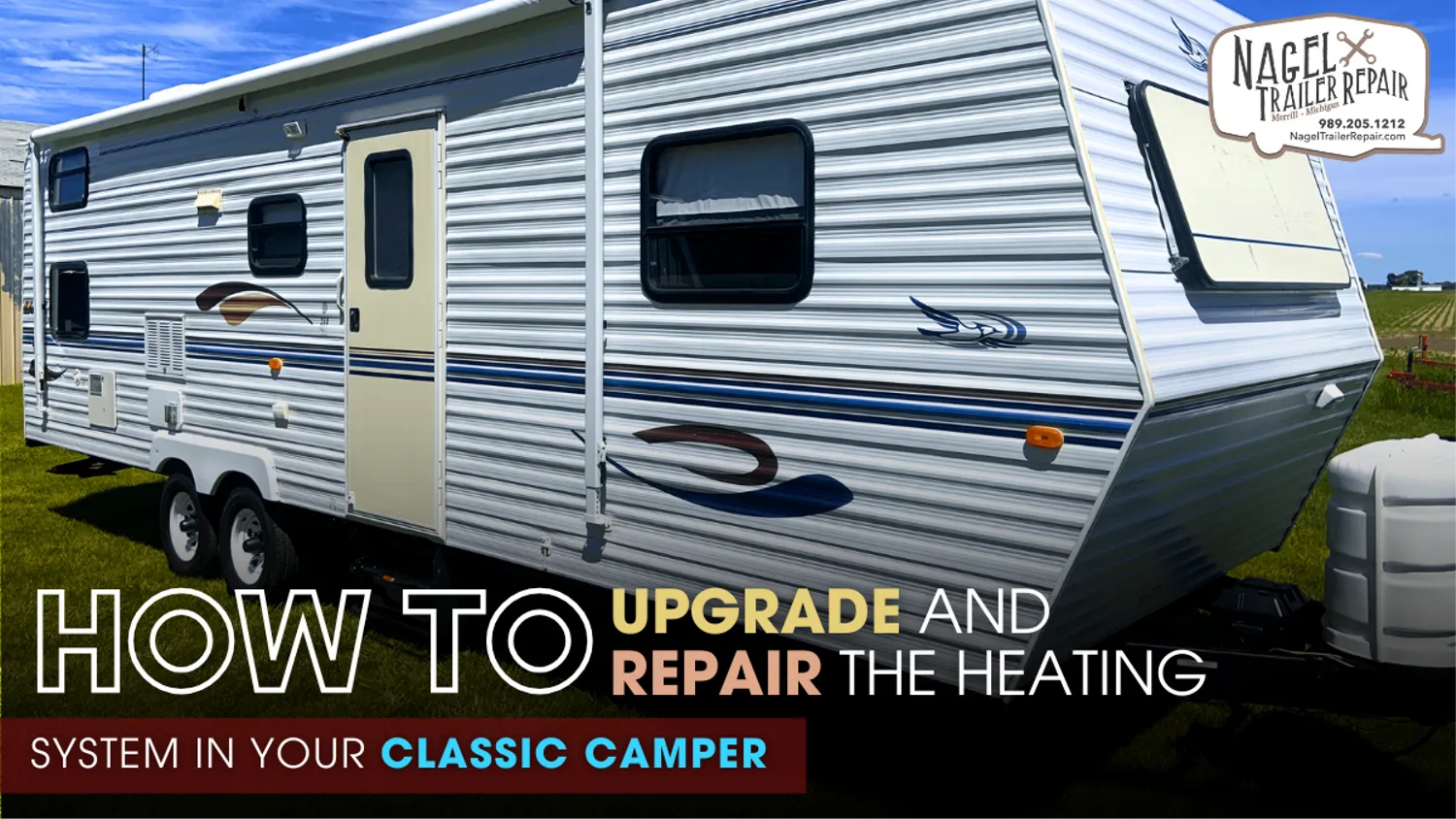
In this guide, we will walk you through how to upgrade and repair the heating system in your classic camper, covering everything from identifying common problems to selecting modern upgrades and performing repairs. By the end, you’ll be able to keep your camper warm and cozy, no matter where your journey takes you.
Why Upgrade or Repair Your Classic Camper’s Heating System?
Before we dive into the technical details, it’s important to understand why upgrading or repairing your camper’s heating system is essential. Heating technology has evolved significantly since most classic campers were built. The original systems were often basic, inefficient, and prone to breakdowns, especially after years of wear and tear. Here are some reasons you may want to consider an upgrade:
- Energy Efficiency: Modern heating systems consume less energy, which is especially important if you’re relying on battery power or solar energy in your camper.
- Safety: Older heating systems can pose safety risks due to worn-out components, faulty wiring, or improper ventilation.
- Comfort: Upgrading to a more advanced system will improve heat distribution, making your camper more comfortable in cold weather.
- Reliability: Newer systems are more dependable, ensuring you stay warm without worrying about malfunctions during your trips.
Step 1: Assess Your Current Heating System
The first step to upgrading or repairing your classic camper’s heating system is to understand what you’re working with. Older campers often came with simple propane or electric heaters, and the condition of these systems can vary widely. Here’s how to evaluate your current setup:
Check for Common Issues:
- Corrosion or Rust: Inspect the heater and its components for any signs of rust or corrosion, particularly in older propane systems. This can indicate a need for repair or replacement.
- Wiring: In electric heaters, check the wiring for wear and tear, fraying, or loose connections. Faulty wiring can lead to dangerous malfunctions.
- Ventilation: Make sure the system’s ventilation is adequate. Poor ventilation can result in inefficient heating or even carbon monoxide buildup in propane systems.
- Pilot Light Problems: If you have a propane heater, check the pilot light to ensure it stays lit consistently. If it flickers or won’t ignite, there may be an issue with the gas line or burner.
System Types in Classic Campers:
- Propane Heaters: A common choice in vintage campers, propane heaters are effective but can be inefficient and sometimes dangerous if not properly maintained.
- Electric Heaters: Electric heaters offer cleaner heat but can drain your battery quickly unless you're connected to shore power.
- Wood-Burning Stoves: Some older campers came equipped with wood stoves. While charming, they require significant maintenance and proper ventilation.
Step 2: Choosing an Upgrade Option
Once you’ve assessed your current system, you can decide whether it needs a full upgrade or just repairs. Modern heating options for campers come with numerous advantages, including better fuel efficiency, temperature control, and safety features. Here are the main types of upgrades you can consider:
1. Diesel Heaters
Diesel heaters are one of the most popular upgrades for camper heating systems due to their efficiency and reliability. They work by using a small amount of diesel fuel to generate heat and are often integrated with a camper’s fuel system.
- Benefits: Diesel heaters are energy-efficient, provide consistent heat, and are safer than older propane systems. They are also easy to maintain.
- Drawbacks: Installation can be more complex, and the initial cost is higher than other options.
2. Propane Forced-Air Heaters
Propane heaters remain a solid option for campers, and modern propane forced-air systems are vastly superior to their vintage counterparts. These systems use propane to generate heat, which is then distributed through ducts using a fan.
- Benefits: Propane is a readily available fuel source, and modern systems are safer and more efficient than older models. Forced-air systems ensure even heat distribution.
- Drawbacks: Propane can still pose a safety risk if not maintained properly, and ventilation is essential to prevent harmful gas buildup.
3. Electric Heaters
If your camper often connects to shore power at campsites, electric heaters are an excellent upgrade. Modern electric systems come with advanced thermostats, timers, and safety features like automatic shutoff.
- Benefits: Electric heaters are clean, easy to install, and require little maintenance. They are ideal for campers that stay at sites with electricity.
- Drawbacks: They rely entirely on electricity, making them impractical for off-grid camping unless you have a large solar array or generator.
4. Hydronic Heating Systems
For the ultimate in camper heating, hydronic systems use heated water to warm the interior of your camper. These systems often combine engine heat with an additional heat source, such as diesel or propane, to circulate warm water through radiators or underfloor heating.
- Benefits: Hydronic systems are incredibly efficient, provide consistent heat, and are nearly silent. They also double as hot water systems for showers and sinks.
- Drawbacks: They are complex and expensive to install, requiring professional expertise.
5. Portable Heating Options
If you’re not ready for a full heating system upgrade, portable heaters can be a good temporary solution. Propane or electric portable heaters can provide supplementary heat during colder trips.
- Benefits: Easy to use, portable, and relatively inexpensive.
- Drawbacks: Not a long-term solution for consistent heat, and safety precautions (like proper ventilation) are still necessary.
Step 3: Installing a New Heating System
Once you’ve chosen your upgrade, installation is the next challenge. Some systems, like diesel and hydronic heaters, require professional installation due to their complexity, while others, like electric heaters, are more DIY-friendly. Here’s a general guide on what to expect during installation:
Diesel Heater Installation:
- Mount the Heater: The heater is usually installed under a bench or seat to save space. Ensure that you have enough clearance for ventilation.
- Connect to Fuel Source: The heater will be connected to your camper’s diesel fuel system. This step often requires drilling a hole in the floor of your camper for the fuel line.
- Run the Exhaust and Ventilation: Diesel heaters require a dedicated exhaust system to vent fumes outside. Make sure the exhaust pipe is routed away from windows and doors.
- Wiring: Connect the heater to the power supply and control panel. Most systems include a thermostat for easy temperature control.
Propane Heater Installation:
- Mount the Heater: Choose a location with proper ventilation for the propane heater. Like diesel heaters, propane heaters often go under seats or benches.
- Install Propane Lines: Connect the heater to the propane tank. Ensure the lines are secure and free from leaks. Consider hiring a professional for this step if you’re not experienced with propane systems.
- Install the Exhaust: Like diesel heaters, propane systems need an exhaust to vent gases outside. Ensure the exhaust pipe is properly installed to avoid gas buildup inside the camper.
- Wiring and Controls: Connect the system to your camper’s electrical wiring for the fan and control system.
Electric Heater Installation:
- Mount the Heater: Most electric heaters can be installed with brackets on the wall or under a cabinet.
- Wiring: Connect the heater to the camper’s electrical system. Ensure that your camper’s wiring can handle the additional load from the heater, or upgrade the wiring if necessary.
- Thermostat Installation: Many modern electric heaters come with digital thermostats, which can be mounted on the wall for easy access.
Step 4: Repairs and Maintenance
If you decide to repair your existing heating system rather than replace it, regular maintenance is key to keeping it running smoothly. Here’s how to troubleshoot and maintain the most common types of systems found in classic campers:
Propane Heaters:
- Check for Leaks: Use soapy water to check for leaks in propane lines and connections.
- Clean the Burner: Over time, dirt and debris can clog the burner, reducing efficiency. Clean it periodically for better performance.
- Inspect the Pilot Light: If the pilot light is weak or won’t stay lit, it may be time to clean or replace the thermocouple.
Electric Heaters:
- Inspect Wiring: Ensure that all wiring connections are secure and free from corrosion.
- Clean the Heater: Dust and dirt can accumulate in the heater, leading to reduced airflow and efficiency. Clean it regularly to prevent this.
- Check the Thermostat: If the heater isn’t maintaining temperature properly, the thermostat may need to be recalibrated or replaced.
Diesel Heaters:
- Clean the Fuel Filter: Diesel heaters rely on clean fuel to operate efficiently. Change the fuel filter regularly to avoid blockages.
- Check the Exhaust: Make sure the exhaust pipe is clear of obstructions and venting properly.
- Service the Blower: The blower fan is essential for circulating heat. Clean and lubricate it regularly to keep it running smoothly.
Conclusion:
Upgrading and repairing the heating system in your classic camper is a crucial step to ensure comfort and safety during your travels, especially in colder climates. Whether you're planning to maintain the vintage charm of your original heating system or upgrade to modern, efficient options like diesel, propane, or electric heaters, a properly functioning system is key to a cozy camper experience.
The process of upgrading involves assessing your current heating setup, choosing the right type of system, and performing careful installation. Regular maintenance, such as cleaning filters, checking wiring, and inspecting ventilation, can also extend the life of your heating system and ensure that it works efficiently for years to come.
If you're considering DIY repairs, it’s important to understand the risks, especially when dealing with propane or diesel systems that require proper ventilation and safe fuel handling. For those who want a professional touch, specialized services for classic camper repair in Michigan can provide expert advice, repairs, and installations that are tailored to vintage campers.
By upgrading your heating system, you'll improve energy efficiency, safety, and comfort, making your classic camper a reliable travel companion no matter the season. Whether you're preparing for a winter adventure or simply extending your camping season into colder months, a well-maintained heating system is a worthwhile investment for any classic camper owner.