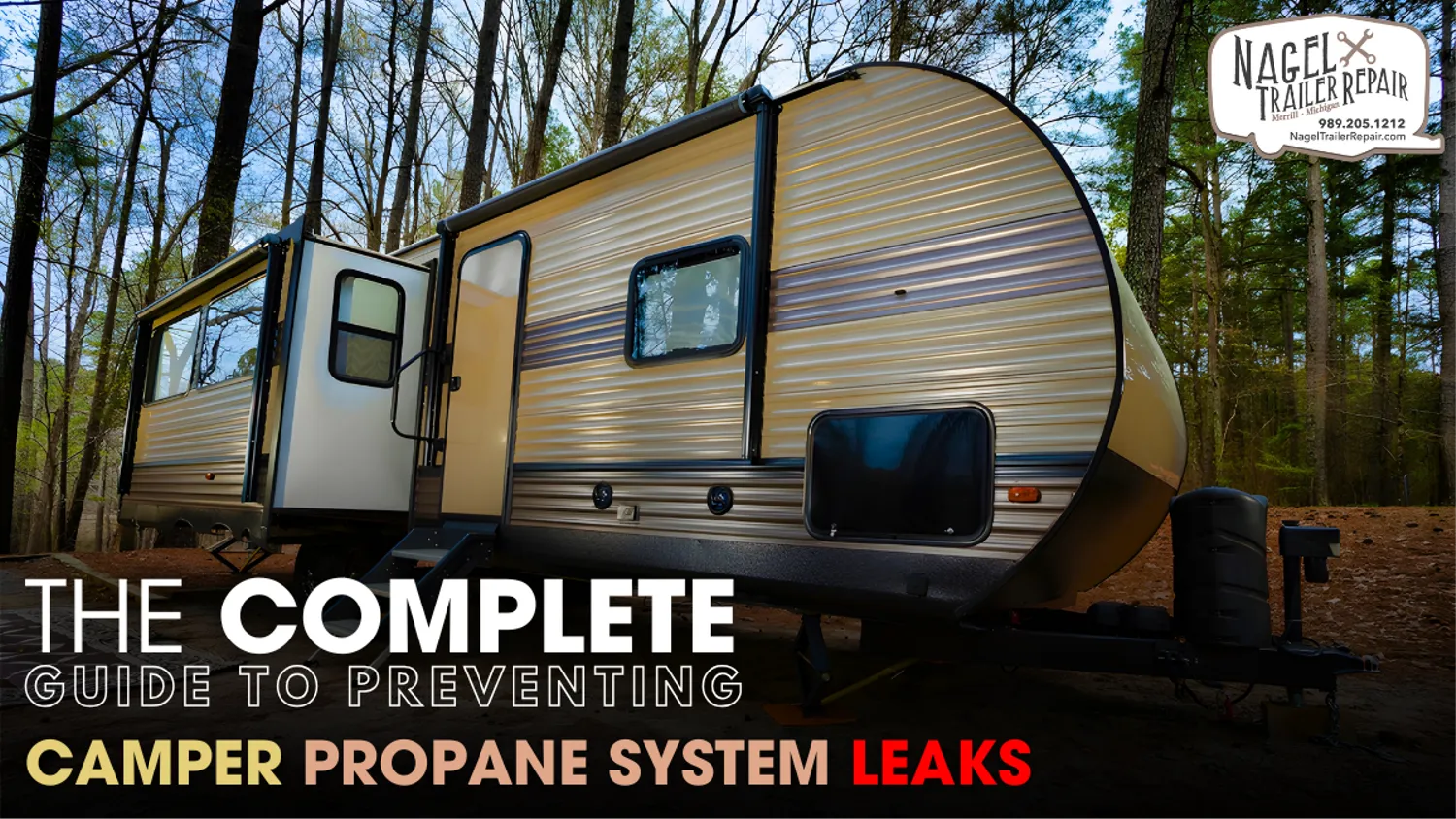
Owning a camper or RV offers the freedom to explore, but it also comes with responsibilities. One of the most critical systems in any camper is the propane system, which powers essential appliances like stoves, heaters, refrigerators, and water heaters. However, propane leaks can pose serious safety risks, including fire hazards, explosions, or poisoning. That’s why preventing camper propane system leaks is crucial for safe and enjoyable trips.
In this comprehensive guide, we’ll cover everything you need to know about preventing propane system leaks in your camper, from understanding how propane systems work to identifying warning signs and performing regular maintenance.
1. Understanding the Camper Propane System
The camper propane system consists of several components that work together to provide energy for various appliances inside your RV or camper. These include:
- Propane Tanks: The storage tanks, often located outside the camper, hold liquid propane, which converts to gas when used.
- Pressure Regulator: The regulator reduces the high-pressure propane from the tank to a lower, safe level for use.
- Hoses and Pipes: These deliver the propane gas from the tank to different appliances.
- Shut-off Valves: Safety valves allow you to cut off the propane supply when necessary.
- Appliances: Stoves, heaters, water heaters, and refrigerators often run on propane.
A leak can occur at any point in the system, so it’s essential to understand the potential weak spots in order to prevent issues before they arise.
2. The Dangers of Propane Leaks
Propane is a highly combustible gas, which means that a small leak can lead to significant danger if left unchecked. Here are the main risks associated with propane leaks:
- Fire Hazard: Propane is flammable, and even a small spark can ignite a fire if it comes into contact with leaking gas.
- Explosions: A concentrated buildup of propane gas in a confined space like a camper can result in an explosion.
- Carbon Monoxide Poisoning: Propane-powered appliances produce carbon monoxide, an odorless and deadly gas. A leak may lead to insufficient ventilation, resulting in a dangerous accumulation of carbon monoxide.
- Health Risks: Inhaling propane fumes can cause dizziness, nausea, headaches, and respiratory issues.
Understanding these dangers emphasizes why taking preventive measures to avoid propane leaks is vital for your safety.
3. How to Prevent Camper Propane System Leaks
Preventing propane system leaks in your camper requires both proactive maintenance and awareness. Here’s how you can minimize the risk of leaks and ensure a safe, leak-free system:
A. Proper Installation of Propane Systems
Ensure that your propane system is installed correctly by a licensed professional. If you’re buying a used camper, have a professional inspect the propane system to verify that everything is up to standard. Poor installation or outdated components are common causes of leaks.
B. Regular Visual Inspections
Regularly inspect the entire propane system, including tanks, hoses, regulators, valves, and connections. Look for signs of wear, rust, cracks, or loose fittings. Catching these issues early can prevent leaks from developing.
C. Invest in Quality Propane Equipment
Using high-quality, certified propane tanks, hoses, and regulators reduces the likelihood of failure. Poorly made or worn-out equipment is more prone to leaks and malfunction.
D. Replace Worn Components
Propane hoses and regulators wear out over time. Replace them according to the manufacturer’s recommendations, or sooner if you notice any visible damage or performance issues. Over time, rubber hoses can degrade, and regulators can fail, increasing the risk of leaks.
E. Secure Propane Tanks
Ensure propane tanks are securely mounted to prevent damage during travel. A loose tank can cause leaks due to shaking and vibrations while driving. Always check tank brackets and straps before hitting the road.
F. Keep Connections Tight
Loose connections are a major source of leaks. Always double-check that all hoses, fittings, and valves are tightly connected, especially after refilling or replacing a propane tank. Use a wrench to tighten connections, but avoid over-tightening, which can cause damage.
4. Regular Inspection Checklist
Here’s a simple inspection checklist to follow regularly:
- Tanks: Inspect the exterior of the propane tanks for dents, rust, or corrosion.
- Hoses: Check hoses for cracks, wear, or discoloration.
- Connections: Ensure all connections are tight and leak-free.
- Regulator: Verify that the regulator is functioning properly with no visible signs of damage.
- Valves: Test shut-off valves to ensure they operate smoothly.
- Appliances: Inspect propane-powered appliances for any signs of damage or malfunction.
- Leaks: Conduct a propane leak test (explained below) on the system.
Following this checklist regularly can help you detect potential problems early and prevent propane leaks from happening.
5. How to Detect Propane Leaks
Knowing how to detect propane leaks is critical to preventing accidents. Here are the most effective methods for finding leaks in your camper’s propane system:
A. Smell
Propane has a distinctive odor, similar to rotten eggs, which is added to make leaks detectable. If you smell this odor inside or around your camper, it’s likely there’s a leak.
B. Use a Soapy Water Solution
A simple and effective way to check for leaks is by applying a soapy water solution (mix of water and dish soap) to the propane system’s connections and hoses. Turn on the propane and watch for bubbles at the connection points. If bubbles form, this indicates a leak.
C. Propane Leak Detectors
Installing a propane leak detector in your camper is an excellent safety measure. These devices sound an alarm when they detect propane gas, providing an extra layer of protection.
D. Carbon Monoxide Detectors
While propane leak detectors are important, carbon monoxide detectors are also essential. Carbon monoxide is a byproduct of propane combustion, and a malfunctioning appliance or ventilation issue could lead to dangerous CO buildup.
6. How to Handle an Emergency Propane Leak
If you detect a propane leak, take the following steps immediately:
- Turn Off the Propane Supply: Locate the propane shut-off valve (usually near the tanks) and close it to stop the flow of gas.
- Ventilate the Area: Open windows and doors to allow the gas to dissipate. Avoid turning on any electrical appliances or lights, as this could cause a spark.
- Evacuate the Camper: If the leak is significant or you suspect a buildup of gas, evacuate the area and move a safe distance from the camper.
- Call for Help: Contact emergency services or a propane professional to assess the situation. Do not attempt to use the propane system again until a professional has inspected it.
7. Maintaining a Safe Propane System
Regular maintenance is the key to preventing leaks and keeping your propane system safe. Here are some important tips for long-term propane system maintenance:
A. Annual Professional Inspections
At least once a year, have a certified technician inspect your propane system. This ensures that all components are functioning properly and that there are no hidden issues.
B. Replace Expired Propane Tanks
Propane tanks have an expiration date, typically around 12 years after manufacture. Replace old tanks to avoid potential leaks due to tank corrosion or valve failure.
C. Winterizing the Propane System
If you’re storing your camper during the off-season, winterize the propane system. Disconnect tanks, and cover hoses and regulators to protect them from weather damage.
D. Safe Storage of Propane Tanks
When storing your camper or spare propane tanks, keep them in a well-ventilated area away from direct sunlight, extreme heat, or open flames.
8. Frequently Asked Questions (FAQs) About Propane System Safety
Q: How often should I check my camper’s propane system for leaks?
You should check your propane system before every trip and at least once a month if you use your camper regularly.
Q: Can I use household propane leak detectors in my camper?
Yes, but it’s best to invest in RV-specific propane and carbon monoxide detectors designed for use in confined spaces like campers and RVs.
Q: How long do propane regulators last?
Propane regulators typically last around 10 years. However, regular inspections are necessary, and you should replace the regulator if you notice any signs of malfunction or wear.
Q: Can propane leaks cause carbon monoxide poisoning?
Yes, if propane appliances aren’t venting properly or the combustion process is incomplete, it can lead to carbon monoxide poisoning.
Conclusion:
Preventing camper propane system leaks is essential for the safety and well-being of everyone on board. Regular maintenance, inspections, and using quality equipment are the keys to keeping your propane system in good working condition. By following best practices—such as securing propane tanks, checking connections, and using leak detectors—you can significantly reduce the risk of leaks, which are not only hazardous but also potentially costly to repair.
If you're unsure about the condition of your camper’s propane system or notice any signs of damage, it’s crucial to consult with professionals. For RV and camper owners in Michigan, a trusted service provider like Camper Repair Michigan can help ensure your propane system is safe and compliant with all safety standards. Whether you're a seasoned traveler or new to RV life, having a certified technician inspect your system can save you from the risks associated with propane leaks.
Remember, prevention is always better than dealing with an emergency. Before each trip, perform a thorough inspection of your propane system, and at least once a year, schedule a professional checkup to keep your camper in top shape. Stay safe, and enjoy your adventures without the worry of potential propane leaks! With the right care, your camper’s propane system will provide years of reliable service, fueling your journeys safely across Michigan and beyond.