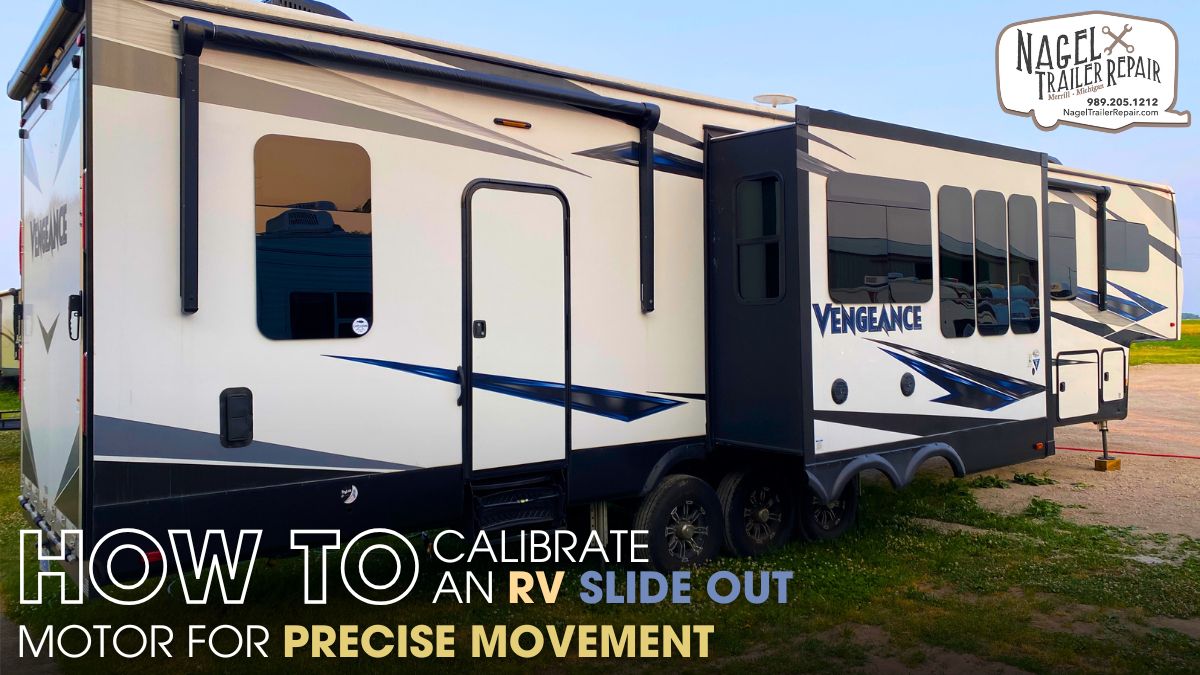
RV slide outs have transformed the way we experience life on the road, offering expanded living space at the touch of a button. However, a misaligned or improperly calibrated slide out motor can lead to uneven extension, binding, or even mechanical failure. Understanding how to calibrate your RV slide out motor for precise movement not only improves performance but extends the life of your entire slide system. Whether you're a seasoned traveler or new to RVing, this in-depth guide breaks down everything you need to know.
Understanding the Role of Slide Out Motors:
Slide out motors are the backbone of the expanding mechanism. These motors drive gears, rails, or hydraulic cylinders depending on the system. While some RVs use electric gear-driven motors, others rely on hydraulic or cable-driven systems. Regardless of the mechanism, accurate motor calibration ensures the slide out extends and retracts evenly, avoiding damage to seals, walls, and floors.
Incorrect calibration can cause one side of the slide to move faster than the other, which leads to racking—a condition where the slide becomes skewed. This not only wears out internal components but can compromise structural integrity.
Signs Your RV Slide Out Motor Needs Calibration:
Calibration isn’t always necessary, but it’s crucial when specific symptoms appear. Watch for these signs:
- One side of the slide out moves faster than the other
- The slide out stops partway through the cycle
- Strange grinding or resistance noises during operation
- The slide out doesn’t sit flush with the RV wall
- Increased strain or slow operation from the motor
These symptoms suggest your motor is working against misalignment, increased friction, or incorrect gear synchronization. That’s when you need to think about calibration—or call a professional like Mobile RV Repair Michigan to handle it quickly and safely.
Tools You’ll Need:
To get started, gather the following tools and safety gear:
- Multimeter for voltage checks
- Torque wrench
- Leveling blocks or jacks
- Lubricant for mechanical joints
- Allen keys or socket set (depending on your system)
- OEM service manual or wiring diagram for your slide system
- Work gloves and safety goggles
Never attempt to recalibrate your slide out system without securing your RV on a level surface. You should also turn off the battery power unless directed otherwise in your RV’s service manual.
Step 1: Diagnose the Slide Out System Type
There are three common types of RV slide outs: electric motor-driven (gear or rack and pinion), hydraulic, and cable-driven systems. Before proceeding, identify which system your RV uses.
Gear-driven systems typically feature a visible track underneath the slide with a long shaft connecting both sides. Hydraulic systems have fluid lines running to hydraulic rams, often used on larger slides. Cable systems have exposed cables and pulleys at the top or sides.
Once you’ve identified the system, refer to the owner’s manual for calibration specs. If you're unsure or don’t feel confident, call Mobile RV Repair Michigan to avoid risking costly repairs.
Step 2: Perform a Power and Voltage Check
Even a well-calibrated motor can misbehave if voltage drops or fluctuates. Use a multimeter to check the voltage at the slide out motor during operation. Voltage should remain consistent within the 12-volt range (for electric systems). A drop below 10.5V can cause erratic movement or incomplete extension.
If you notice a power loss, inspect the fuse, control board, and wiring harnesses for corrosion or damage. Inconsistent power can mimic calibration issues, so rule this out first.
For hydraulic systems, check pump operation and pressure levels. A sluggish hydraulic motor might be due to air in the lines or low fluid levels, not calibration. In such cases, the expertise of Mobile RV Repair Michigan can save you time and prevent misdiagnosis.
Step 3: Align the Slide Mechanism
Before calibrating the motor itself, ensure that the mechanical parts are properly aligned. Use a level to check both horizontal and vertical alignment. Misaligned tracks or rollers can place undue stress on the motor and result in uneven movement.
Adjust mounting brackets, roller guides, or support arms as needed. Lubricate metal-on-metal contact points with silicone or lithium-based grease to reduce friction.
It’s also important to visually inspect gear teeth and shafts for any signs of wear. If gears are skipping or slipping, calibration won’t help until the worn parts are replaced.
Step 4: Manually Retract and Extend the Slide Out
Most RVs allow for manual override of the slide out motor. Use the crank handle or socket extension to slowly move the slide in and out. This helps confirm the mechanical components are moving freely and evenly.
Listen closely for resistance, grinding, or hesitation. If either side lags or binds, the system may need a gear sync correction. Always complete manual operation before using powered movement for calibration.
In cases where the slide out won’t move manually, that could be a sign of mechanical seizing or internal damage. Don’t force it. At this stage, Mobile RV Repair Michigan can provide an expert diagnosis to avoid further complications.
Step 5: Recalibrate the Motor Sync
If your RV slide out uses a dual motor setup—one on each side—synchronizing those motors is critical. Most manufacturers use either a limit switch or controller sync method.
For motors with built-in controllers:
- Fully retract the slide out using the wall switch.
- Hold the retract button for 5–10 seconds after the slide is fully in. This resets the sync for many controller systems.
- Extend the slide and repeat the hold.
- Listen for both motors starting and stopping at the same time.
If your RV uses a mechanical limit switch:
- Adjust the limit switch using a screwdriver to match the motor’s stopping point.
- Use the service manual to identify the correct switch timing and stop positions.
- Adjust one side incrementally and test the slide travel repeatedly until both sides extend/retract evenly.
Improperly synced motors can cause long-term damage to the gears and mounts. If this step seems too technical or inaccessible, technicians from Mobile RV Repair Michigan can recalibrate your slide out motors with diagnostic precision.
Step 6: Verify the Slide Out’s End Points
After synchronization, it’s essential to verify the stopping points at full extension and retraction. The slide should sit flush against the RV wall when closed and extend evenly across the frame when open.
Visually inspect the weather seals to ensure even compression. Use a tape measure to compare distances on both sides. If you detect a gap or unequal travel, fine-tune the motor's limit settings again.
On advanced systems, these endpoints may be controlled via a programmable logic controller (PLC) or digital slide control module. Refer to the manufacturer’s guide for adjusting those settings digitally. If no documentation is available, consult a specialist from Mobile RV Repair Michigan to avoid software-related calibration errors.
Step 7: Perform a Load Test
Once motor calibration and endpoint alignment are complete, it’s time to load test the system. This means simulating real-world usage—operating the slide in and out multiple times, including under slight incline conditions.
Watch for changes in speed, stalling, or irregular noise. A successful load test should result in smooth, consistent movement throughout each cycle.
This test is vital after a calibration, especially if your RV has seen extensive travel or extreme weather. Temperature and vibration can affect motor memory and mechanical tension. Routine load testing, or a seasonal checkup from Camper Repair Michigan, keeps everything running at peak efficiency.
Step 8: Secure All Fasteners and Restore Power
After confirming smooth and precise slide out movement, lock down all fasteners. This includes the motor mount bolts, gear housing covers, and track guides.
Reinstall any protective panels and re-enable power. Run a final test of the slide with all systems live, checking for any electronic lag, relay clicking, or unusual draw from the battery.
If everything checks out, you’ve successfully calibrated your RV slide out motor for precise, reliable operation. This process can be intimidating, but it’s manageable with patience and preparation. Still, don’t hesitate to call Mobile RV Repair Michigan if you’re unsure at any point—especially when dealing with electrical or hydraulic components.
Preventive Tips for Long-Term Slide Out Accuracy:
To keep your slide out in peak condition and avoid future calibration needs, follow these maintenance tips:
- Lubricate tracks and seals every 3 months
- Check voltage at the motor terminals during operation
- Inspect for water damage around seals and corners
- Perform sync checks every travel season
- Avoid operating the slide on unlevel ground
- Use your RV’s manual override at least once a year to verify function
Partnering with Mobile RV Repair Michigan for annual slide out inspections ensures that small issues are caught early before they evolve into costly repairs.
The Role of Professional Maintenance:
When it comes to RV upkeep, professional maintenance plays a critical role in long-term performance and reliability. Tasks like calibrating an RV slide out motor for precise movement might seem simple, but improper alignment can lead to mechanical wear, binding, or electrical failure.
Similarly, knowing how to choose the best RV roof sealant is about more than just plugging a leak—it’s about selecting a formula that withstands UV rays, temperature swings, and flexing surfaces. Both jobs require technical know-how, quality materials, and an eye for detail.
Investing in expert help ensures these systems operate flawlessly and keeps costly water damage or slide out failure at bay. Whether you're fine-tuning motor sync or resealing your roof, professional maintenance keeps your RV adventure-ready all year long.
Conclusion:
A well-calibrated RV slide out motor is essential for seamless travel and stress-free camping. Precision in movement protects your RV’s structural integrity, preserves mechanical components, and prevents costly repairs. Whether you're a weekend adventurer or full-time RVer, understanding how to diagnose and calibrate your slide out motor can be the difference between a smooth trip and a frustrating breakdown.
While DIY methods can save money, professional services like Mobile RV Repair Michigan provide expert calibration, thorough diagnostics, and peace of mind. With the right tools, knowledge, and occasional help from trusted specialists, your RV slide out will function smoothly, securely, and precisely for years to come.