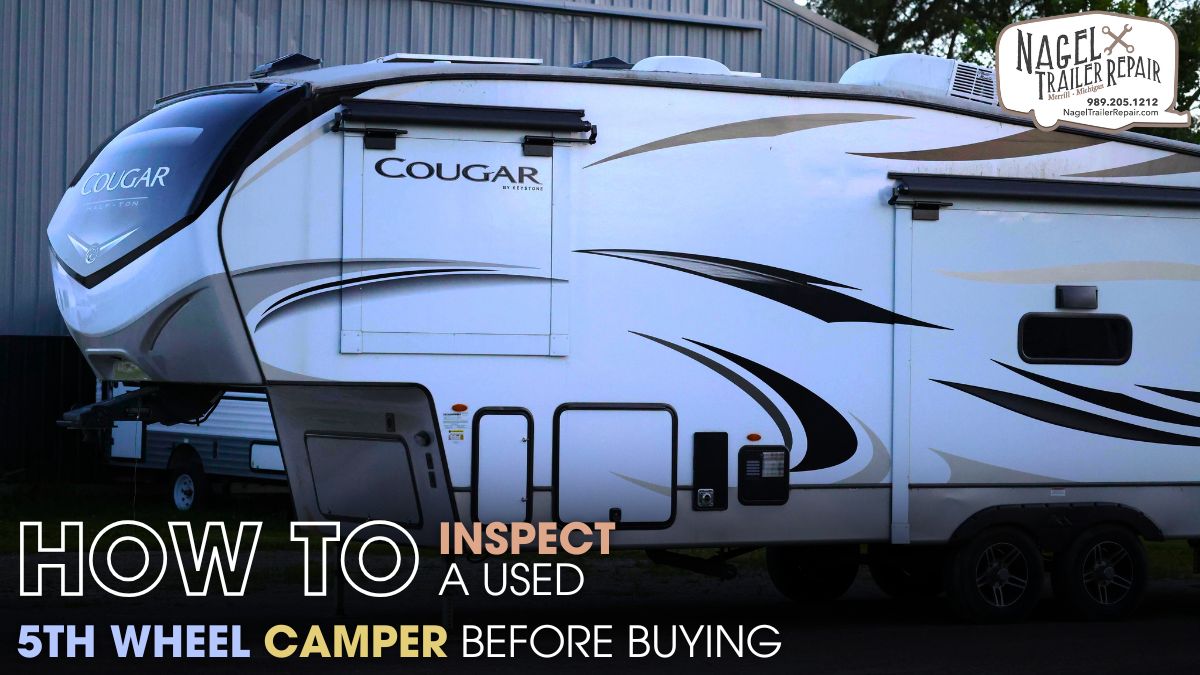
Investing in a used 5th wheel camper can be a smart choice for those seeking adventure without breaking the bank. However, inspecting the camper thoroughly before making a purchase is critical to avoid costly repairs down the road. Whether you're new to RV ownership or a seasoned traveler, knowing what to look for during the inspection process will save you time, money, and frustration. A detailed evaluation ensures that you're getting not just a great deal, but a reliable and comfortable home on wheels.
Begin with the Structural Foundation:
The first step in any used camper inspection is to examine the structure. A solid foundation ensures that the entire camper is safe and roadworthy. Start with the frame underneath. Look for rust, corrosion, cracks, or signs of previous welding repairs. These could indicate major wear or hidden damage from accidents. Next, inspect the exterior walls. Press gently to check for soft spots which can be signs of water intrusion. Delamination—where the fiberglass separates from the underlayment—is a red flag, usually due to moisture penetration.
Check the roof carefully. Use a ladder if needed and look for any discoloration, sagging, or repaired areas. Rubber roofs should be free of bubbles or tears, and all sealant around vents and air conditioners should appear clean and intact. Structural issues like water damage can be extremely costly and may require professional attention, which is why many owners in the area rely on 5th Wheel Camper Repair Michigan specialists to address such concerns.
Inspect the Interior Thoroughly:
Once the outer shell checks out, move on to the interior. Begin with the ceiling, walls, and floor. Discoloration, stains, or musty odors often indicate previous leaks. Walk through the camper slowly and pay attention to the flooring. Any spongy feeling or unevenness can be a sign of rot or damage underneath.
Cabinetry and furniture should be secure and free of visible damage. Open every drawer and door to ensure proper function. Check under sinks and around the toilet for water damage or mold. Evaluate the insulation by feeling the walls during colder weather; poor insulation can mean an uncomfortable camping experience. Appliances like the refrigerator, stove, microwave, and water heater must be tested. Run each one to make sure they start, heat, and function correctly. If any systems appear non-operational or inconsistent, it may be wise to consult 5th Wheel Camper Repair Michigan technicians to get an accurate repair estimate.
Evaluate the Electrical, Plumbing, and Propane Systems:
The mechanical systems of the camper must be in top shape to ensure safety and functionality. Begin with the electrical system. Check the house batteries, converter, and shore power connection. Flip on all lights, run the fans, and verify that outlets are powered. Any flickering or inconsistency can indicate deeper wiring problems.
Next, inspect the plumbing. Run all faucets and flush the toilet. Watch for leaks under the sinks and around the shower. Test the water pump and make sure the water heater supplies hot water efficiently. Hook up the camper to a freshwater source and ensure the tanks fill and empty correctly. The propane system should be leak-free and fully functional. Turn on the stove and check for a steady flame. Use a leak detector spray on all propane line connections to identify hidden leaks. This is an area where amateur inspections often fall short. If there’s any suspicion of leaks or inefficiencies, calling 5th Wheel Camper Repair Michigan professionals can ensure your camper is safe before you tow it home.
Inspect Tires, Brakes, and Suspension:
A 5th wheel camper’s mobility relies heavily on the condition of its tires and suspension system. Tires should be inspected for age, wear, and cracking. Even if the tread looks good, older tires can fail due to sidewall breakdown. Always check the date code on each tire and replace any that are more than six years old.
Check the brake system by manually activating it if possible or towing it short distances under controlled conditions. Listen for squealing, grinding, or dragging noises that indicate worn-out pads or misalignment. The suspension system, including leaf springs and shackles, should show no signs of sagging or fatigue. Grease all fittings and inspect the axles for rust or bends. Many buyers overlook the importance of these components, focusing instead on the visual appeal of the camper. But this area directly impacts safety. If there's any doubt about wear levels or system integrity, seek out experts in 5th Wheel Camper Repair Michigan for a detailed inspection and service.
Understand the Camper's Ownership and Maintenance History:
The final piece of the inspection puzzle lies in the paperwork. Ask for maintenance records, repair invoices, and the original owner’s manual. These documents provide insight into how the camper was treated and whether any major repairs were recently completed or deferred. Ask the seller direct questions about prior water leaks, collision history, and whether the camper was ever stored outdoors year-round. A camper kept indoors will usually show significantly less wear and tear. Check the VIN for any outstanding recalls or insurance claims.
If the seller cannot provide documentation or is unwilling to allow a third-party inspection, consider that a major red flag. A reputable seller will not hesitate to involve a local 5th Wheel Camper Repair Michigan specialist for an unbiased condition assessment.
The Role of Professional Maintenance:
Before buying a used 5th wheel camper, taking the time to do a proper inspection can save you from costly regrets later. Start by checking for water damage—look around windows, ceilings, and corners for soft spots or discoloration. Make sure the roof is in good condition, seals are intact, and there’s no sign of leaks. Appliances and electrical systems should work as expected, and you’ll want to test the plumbing for steady water flow and hidden leaks. Tires, brakes, and axles deserve just as much attention, especially if the camper has been sitting unused. A neglected undercarriage can quickly turn your dream trip into a safety hazard.
And while mechanical checks are important, few things are more frustrating than a broken sewer system once you're on the road. In a travel trailer, black tank problems usually start small—clogs, faulty sensors, or leaky seals—but if ignored, they can create a real mess. It's crucial to clean and flush the tanks regularly, check valve seals, and replace worn hoses. Don’t just mask odors; fix the root cause. Repairs might seem intimidating, but with the right guidance or professional help, they’re manageable—and they’ll make your next camping experience far more enjoyable.
Conclusion:
Buying a used 5th wheel camper is a rewarding decision when approached with diligence and a sharp eye for detail. By inspecting the structure, testing systems, and evaluating past maintenance, you minimize the risks of hidden issues and future repair costs. It's tempting to rush a purchase when a camper looks appealing on the outside, but investing the time to thoroughly inspect it can save you thousands of dollars. If there’s ever a doubt, consulting with a professional from 5th Wheel Camper Repair Michigan ensures you’re making an informed decision. A used camper should offer freedom and comfort—not surprise repair bills. With careful evaluation and expert help when needed, your next adventure begins on solid ground