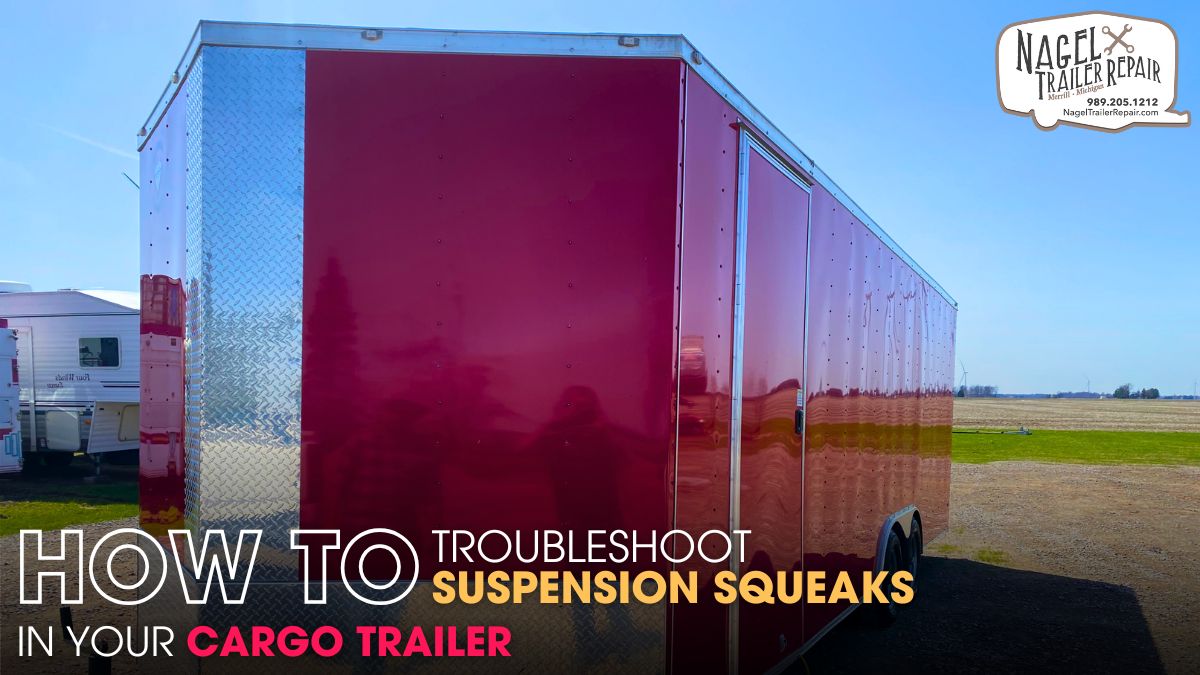
Cargo trailers are essential tools for transporting goods efficiently. However, they’re not immune to wear and tear. One common issue owners face is suspension squeaks. These noises are not only annoying but can also indicate underlying problems that, if left unchecked, could lead to costly repairs or safety hazards. This guide provides a comprehensive approach to diagnosing and addressing suspension squeaks in cargo trailers, ensuring smooth operation and longevity.
Understanding the Causes of Suspension Squeaks:
Suspension squeaks can originate from a variety of sources, including the trailer’s springs, bushings, shock absorbers, or even the joints. Environmental factors, such as dirt, rust, and moisture, often exacerbate these issues. Understanding the root causes of squeaks is essential for effective troubleshooting.
- Dry or Worn-Out Bushings: Bushings are small yet vital components that cushion the suspension system. Over time, they can dry out, crack, or wear down, leading to friction and squeaking noises.
- Rust and Corrosion: Exposure to moisture and road salt can cause rust to develop on the suspension components, creating squeaks when parts rub against each other.
- Loose Bolts and Fasteners: If bolts securing the suspension components loosen over time, they can cause movement and subsequent squeaking.
- Worn Springs or Shock Absorbers: Suspension springs and shocks are designed to absorb impact and provide stability. When they’re worn, they might not function properly, resulting in unwanted noises.
Diagnosing Suspension Squeaks:
Effective diagnosis requires a systematic approach to pinpoint the source of the squeak. Start by ensuring the trailer is parked on a flat, stable surface. Use the following steps to diagnose the issue:
- Visual Inspection: Begin by visually examining the suspension components for obvious signs of wear, rust, or damage. Pay close attention to bushings, springs, and fasteners.
- Manual Testing: Push down on different areas of the trailer to simulate movement and listen for squeaking sounds. This can help isolate the problem area.
- Jack and Secure the Trailer: If the source of the squeak isn’t obvious, use a jack to lift the trailer and secure it with jack stands. This allows you to inspect the undercarriage and suspension system more thoroughly.
- Lubrication Test: Apply a suitable lubricant to suspected areas, such as bushings or joints, and check if the squeak diminishes. If it does, you’ve likely found the source.
Addressing Common Suspension Squeak Issues:
Once you’ve identified the source of the squeak, it’s time to address it. The following are common solutions to suspension squeaks:
- Replacing Worn Bushings: If bushings are cracked or excessively worn, they’ll need replacement. Ensure you choose high-quality replacements compatible with your trailer’s suspension system.
- Cleaning and Lubricating Components: Remove dirt, debris, and rust from the suspension parts. After cleaning, apply a high-grade lubricant to joints and moving components to reduce friction.
- Tightening Loose Bolts: Use a torque wrench to ensure all bolts and fasteners are tightened to the manufacturer’s specifications. Be careful not to overtighten, as this can damage the components.
- Replacing Springs or Shocks: If springs or shock absorbers are damaged or worn, replace them with new ones. Proper installation is crucial to ensure optimal performance.
Preventative Maintenance Tips for Cargo Trailers:
Preventative maintenance is key to avoiding suspension squeaks and ensuring the longevity of your cargo trailer. Regularly inspect and maintain your trailer to catch potential issues early.
- Regular Inspections: Schedule routine inspections of your trailer’s suspension system. This will help you identify wear and tear before it becomes a major problem.
- Proper Lubrication: Periodically lubricate all moving parts to prevent friction and wear. Use lubricants recommended by the trailer’s manufacturer.
- Protect Against Rust: Apply rust-resistant coatings to suspension components and clean off road salt or moisture after every use.
- Load Management: Avoid overloading your trailer, as excessive weight can strain the suspension system and lead to premature wear.
When to Seek Professional Help?
While many suspension squeaks can be addressed with basic tools and some DIY knowledge, there are times when professional assistance is necessary. If you’re unable to identify the source of the squeak, or if the repairs seem too complex, it’s best to consult a professional. For those in Michigan, reputable services specializing in cargo trailer repair are readily available. Ensure the professional you choose has experience in suspension systems to guarantee quality work.
Why Timely Repairs Matter?
Ignoring suspension squeaks can lead to more significant problems over time. Worn components can cause uneven tire wear, reduced stability, and even structural damage to the trailer. Regular maintenance and timely repairs not only enhance the performance of your cargo trailer but also ensure safety on the road.
Conclusion:
Suspension squeaks in cargo trailers can be a nuisance, but they’re often a sign of an underlying issue that needs attention. By understanding the common causes, diagnosing the problem effectively, and addressing the root issue, you can restore your trailer’s performance and avoid more extensive repairs in the future. Preventative maintenance is your best ally in keeping your trailer in optimal condition.
For those in need of professional assistance, consider seeking help from a trusted provider of Cargo Trailer Repair Michigan. By doing so, you’ll benefit from expert advice and reliable service, ensuring your trailer remains roadworthy and safe for the long haul.
Remember, a well-maintained trailer not only improves efficiency but also contributes to safety and peace of mind. Whether you handle repairs yourself or rely on professional services, the key is to act promptly and proactively. Keep your cargo trailer in top shape and enjoy smooth, squeak-free rides for years to come.