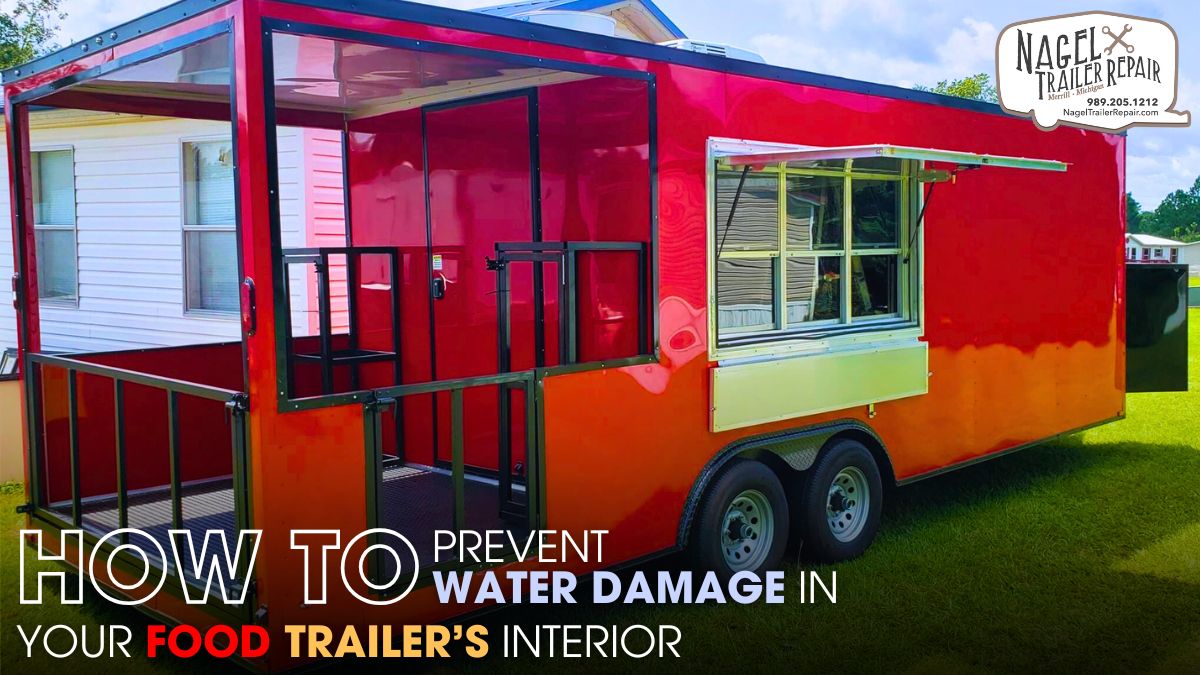
Water damage is one of the most serious threats to a food trailer's longevity. Moisture infiltration can lead to mold growth, wood rot, electrical issues, and expensive repairs. Since food trailers are mobile and exposed to various weather conditions, preventing water damage requires regular maintenance and proactive measures. This guide will help you understand the causes of water damage and provide effective solutions to keep your food trailer’s interior dry and well-protected.
Identifying Common Sources of Water Damage:
Water can enter your food trailer from multiple sources, including leaks, condensation, and plumbing failures. One of the most common entry points is the roof, where poorly sealed seams or aging caulk can allow rainwater to seep through. Sidewalls, doors, and windows are also vulnerable areas that may develop leaks over time.
Plumbing issues inside the trailer, such as loose pipe fittings, damaged water lines, or faulty sink seals, can lead to unnoticed moisture accumulation. Condensation is another silent culprit that can cause significant damage. Without proper ventilation, humidity levels rise, leading to damp walls, ceilings, and storage compartments. Taking preventive action against these risks is essential to avoiding costly Concession Trailer Repair Michigan services.
Proper Roof Maintenance to Prevent Leaks:
Your food trailer’s roof is the first line of defense against water intrusion. Regular inspections should be conducted to identify cracks, peeling sealant, or areas where water may pool. Applying a high-quality waterproof sealant along all seams and joints helps prevent leaks from developing.
It's also important to check for roof vent leaks. Many food trailers have exhaust fans and air vents that must be properly sealed. Gaskets can wear down over time, allowing water to enter. Replacing old gaskets and using self-leveling lap sealant ensures a watertight barrier. If damage is extensive, seeking Concession Trailer Repair Michigan professionals for resealing may be necessary.
Protecting Sidewalls, Doors, and Windows:
Sidewalls, doors, and windows must be properly sealed to prevent leaks. Over time, exposure to wind, rain, and movement can cause caulk to crack or peel away. Regularly inspect these areas and replace any failing sealant with a high-quality silicone or polyurethane sealant.
Doors should be checked for misalignment, as gaps between the door frame and trailer body can let in moisture. Installing new weatherstripping is a cost-effective way to maintain a watertight seal. Similarly, trailer windows should be properly insulated with waterproof tape or caulk to prevent leaks. If moisture damage has already occurred, consulting a Concession Trailer Repair Michigan expert can help restore the structural integrity of your food trailer.
Plumbing System Maintenance and Leak Prevention:
Leaks from the plumbing system can cause significant interior water damage if left undetected. Regularly inspect water lines, fittings, and sink drains for any signs of leaks or wear. Even small drips can lead to mold growth and flooring damage over time.
One preventive measure is to use flexible, high-quality plumbing pipes that can withstand trailer movement without cracking. Additionally, installing a water pressure regulator helps prevent sudden surges that could stress or burst pipes. If plumbing repairs become necessary, contacting Concession Trailer Repair Michigan specialists ensures the issue is properly diagnosed and resolved.
Managing Humidity and Preventing Condensation:
Condensation occurs when warm air inside the trailer meets cooler surfaces, leading to moisture buildup. This can be particularly problematic in food trailers due to steam from cooking equipment and refrigeration units. Managing humidity levels is crucial to preventing water damage.
Installing proper ventilation systems, such as roof vents or exhaust fans, helps remove excess moisture from the air. Running a dehumidifier inside the trailer during humid months can also reduce condensation. If condensation issues persist, it may be time to upgrade insulation or check for hidden leaks that require professional Food Truck Repair Michigan services.
Flooring Protection Against Water Damage:
Food trailer flooring is particularly vulnerable to water damage, as spills and leaks can accumulate in low-lying areas. If the flooring is not properly sealed, moisture can seep into the subfloor, leading to rot and structural weakness.
Using waterproof flooring materials, such as vinyl or epoxy coatings, provides an added layer of protection. Installing a slight slope in the flooring ensures that water naturally drains towards designated outlets. Regularly inspecting for soft spots or discoloration can help detect early signs of water damage before they become major problems requiring Concession Trailer Repair Michigan interventions.
Insulating and Sealing Interior Panels:
Water damage isn’t always visible immediately; sometimes, it accumulates behind walls and ceilings. Proper insulation and sealing of interior panels can prevent hidden moisture buildup. Closed-cell spray foam insulation is an excellent option as it repels water while providing energy efficiency.
Additionally, sealing gaps and seams inside the trailer with waterproof caulk minimizes the risk of water infiltration. If moisture stains or warping are noticeable on interior walls, investigating the source of the issue is critical. In cases of severe damage, professional Food Trailer Repair Michigan assistance may be needed to replace damaged panels and reinforce insulation.
Preventing Water Damage from Food Trailer Equipment:
Many food trailers rely on refrigeration units, sinks, and cooking appliances that generate moisture. Without proper maintenance, these appliances can contribute to water damage. Regularly check refrigeration units for condensation buildup and ensure drainage lines are clear to prevent water overflow.
Sinks and dishwashing stations should have tightly sealed connections to avoid leaks. Water heaters must be inspected for corrosion or faulty pressure relief valves, as these issues can cause slow leaks. Taking proactive steps to maintain appliances reduces the risk of unnecessary Concession Trailer Repair Michigan costs.
Regular Maintenance and Inspections:
One of the most effective ways to prevent water damage is through regular maintenance and inspections. Developing a checklist for monthly and seasonal inspections ensures that potential issues are addressed before they escalate.
Routine inspections should include checking for leaks, inspecting seals and caulking, monitoring humidity levels, and ensuring plumbing connections are secure. Keeping records of past repairs and maintenance schedules helps identify recurring issues that may require more extensive Concession Trailer Repair Michigan solutions.
The Role of Professional Maintenance:
Professional maintenance plays a crucial role in keeping food trailers in top condition, especially in preventing water damage and ensuring a stable suspension system. Regular inspections help identify leaks in the roof, windows, and plumbing before they cause major interior damage. Sealing cracks, upgrading waterproofing materials, and managing humidity levels can prevent costly repairs.
Likewise, suspension systems in concession trailers require routine servicing to handle heavy loads and road wear. Worn-out leaf springs, shock absorbers, and axles can compromise stability, leading to uneven weight distribution and unsafe driving conditions.
Professional upgrades, such as reinforced springs and modern suspension kits, improve durability and ride quality. Investing in expert maintenance ensures long-term reliability, minimizes downtime, and protects both the trailer’s structure and operational efficiency.
Conclusion:
Preventing water damage in your food trailer requires consistent maintenance and proactive measures. Regularly inspecting the roof, sidewalls, windows, and doors ensures that all entry points remain sealed against moisture intrusion. Plumbing systems should be well-maintained, and humidity levels should be controlled to prevent condensation-related issues.
Flooring must be waterproofed to avoid long-term damage, while interior panels should be properly insulated to prevent hidden moisture buildup. Additionally, food trailer equipment, including refrigeration units and sinks, must be maintained to prevent leaks. By following these preventive steps, you can significantly reduce the risk of costly water damage and extend the lifespan of your food trailer.
If you ever notice signs of moisture-related issues, seeking Concession Trailer Repair Michigan professionals ensures that repairs are handled correctly, preserving the integrity of your business.